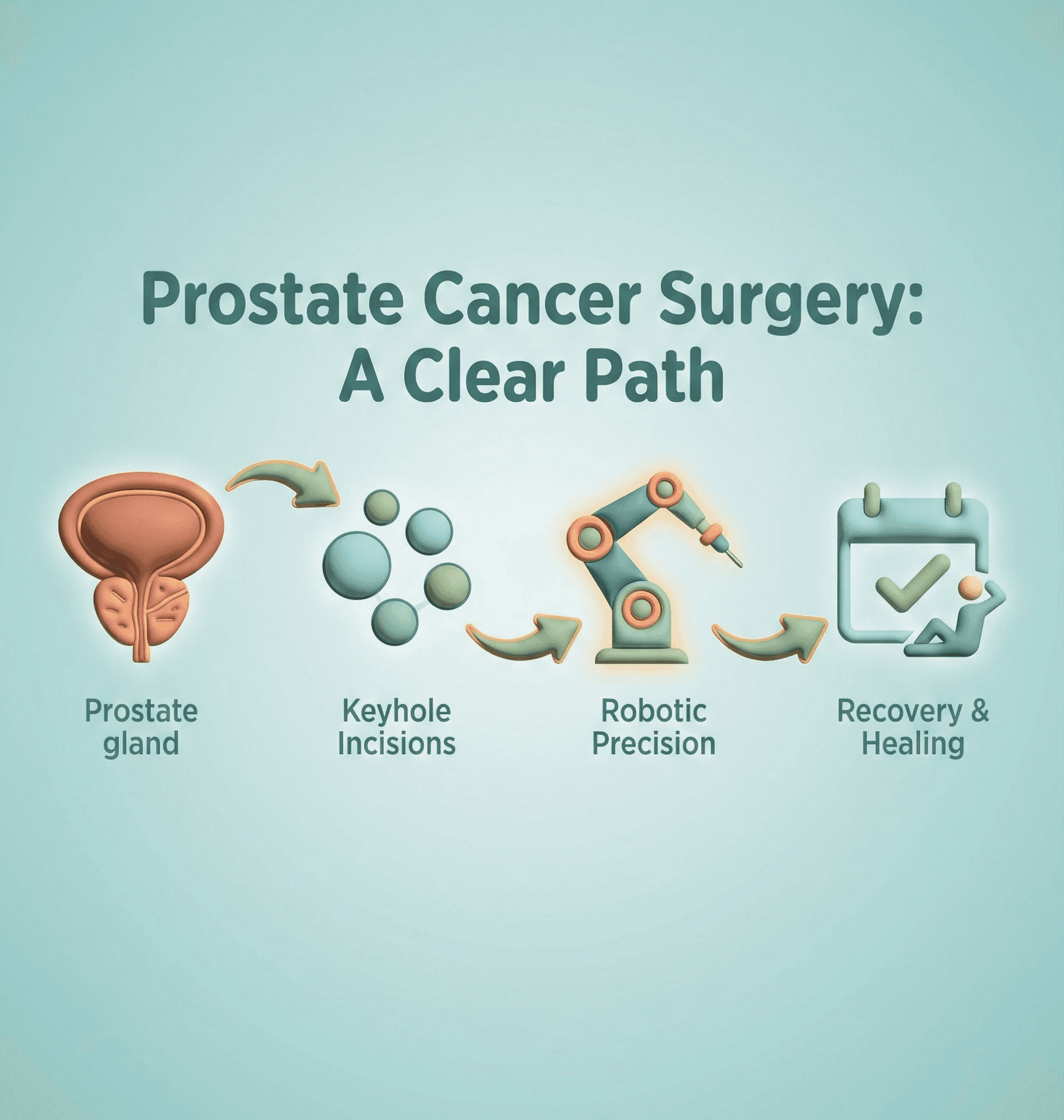
Robotic-assisted prostatectomy (RALP) means smaller incisions, less pain, and 1-3 days in hospital vs 3-5 days for open surgery
A catheter stays in for 1-2 weeks; the TAP-block nerve technique cuts post-op pain for 48-72 hours
Most men regain urinary control within 1-3 months; erectile function recovery can take 6-24 months with penile rehabilitation
In Dr. Tushar Narain's Delhi practice, 500+ robotic prostatectomies inform every step of the recovery protocol
Emotional and functional recovery is supported by structured Kegel coaching, family involvement, and clear follow-up at Max Hospital Saket and Max Hospital Gurgaon
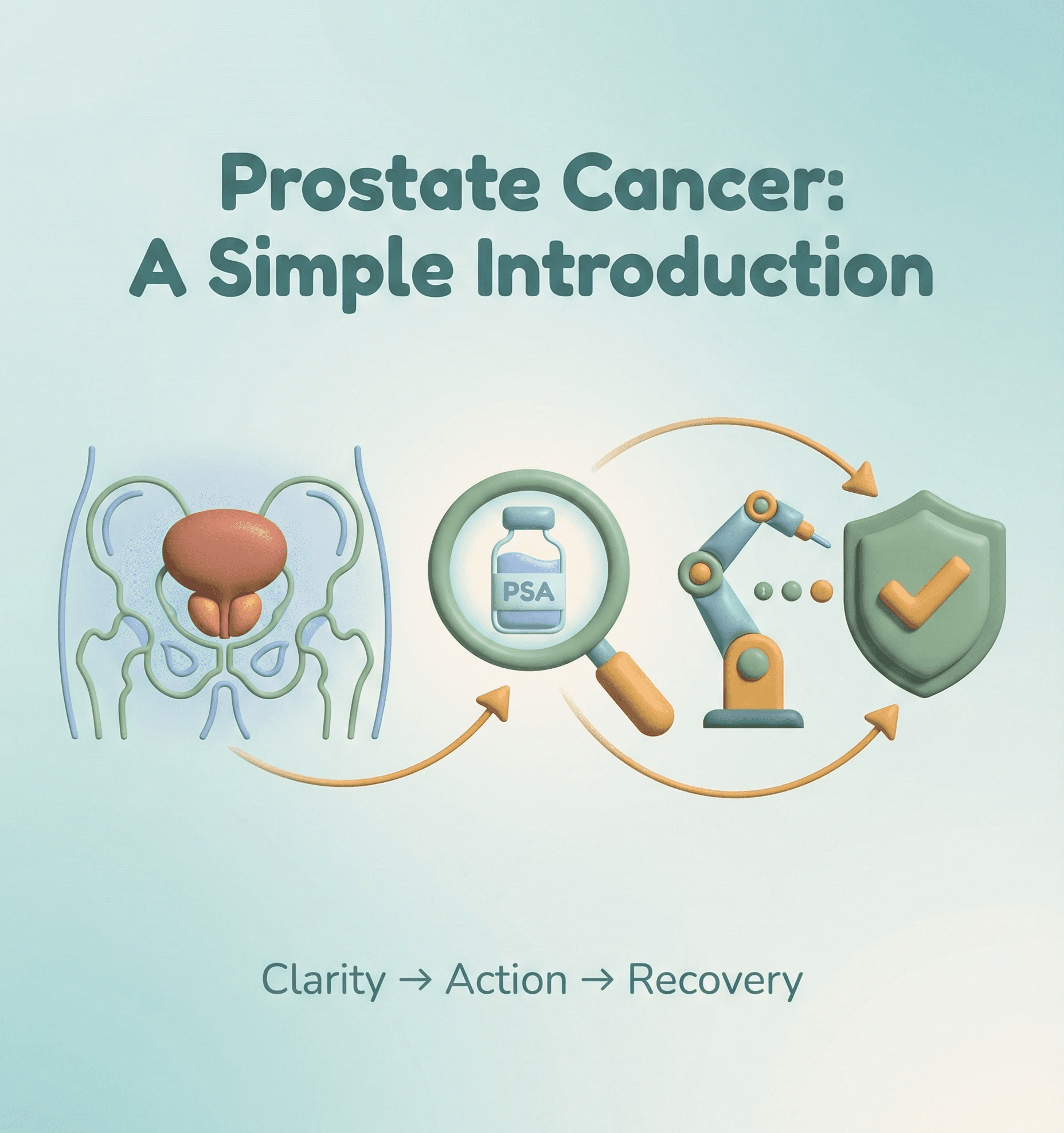
This article is for men diagnosed with prostate cancer who are weighing surgical options, and the family members who will support them through recovery. It explains the difference between open and robotic approaches, what the first six months actually look like at Max Hospital Saket and Max Hospital Gurgaon, and the long-term lifestyle adjustments that protect outcomes.
Prostate cancer is one of the most common cancers affecting men worldwide.
Thanks to advances in surgical technology, treatments like robotic-assisted prostatectomy have significantly improved survival rates and quality of life after surgery.
Recovery still asks something of you - it involves physical, emotional, and lifestyle adjustments - but the path is well-mapped if you know what to expect.
This guide is what I share with every patient at Max Hospital Saket and Max Hospital Gurgaon when they ask "what does life after prostate cancer surgery actually look like?" It covers recovery timelines, side effects, rehabilitation strategies, and the protocols I have refined over 500+ robotic prostatectomies as a uro oncologist in Delhi.
Understanding Prostate Cancer Surgery
Prostate cancer surgery, known as a radical prostatectomy, removes the prostate gland and surrounding tissues to eliminate cancerous cells.
There are two primary surgical approaches:
Open Prostatectomy - the traditional approach using a larger incision.
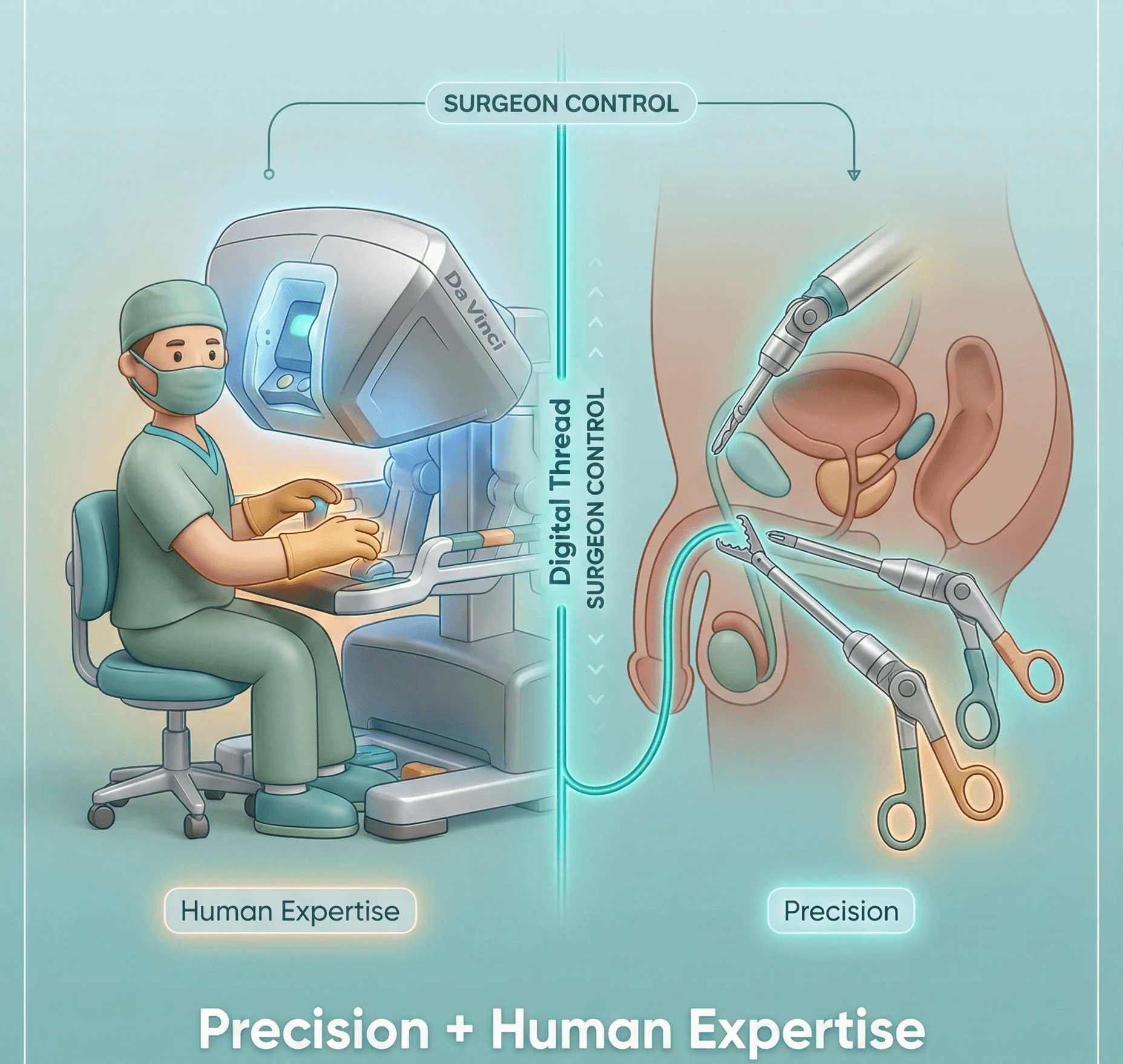
Robotic-Assisted Laparoscopic Prostatectomy (RALP) - a minimally invasive technique using robotic precision, resulting in smaller incisions, less blood loss, and faster recovery.
In my practice as the best uro oncologist in Delhi for high-volume robotic cancer surgery, I perform RALP using the da Vinci surgical system.
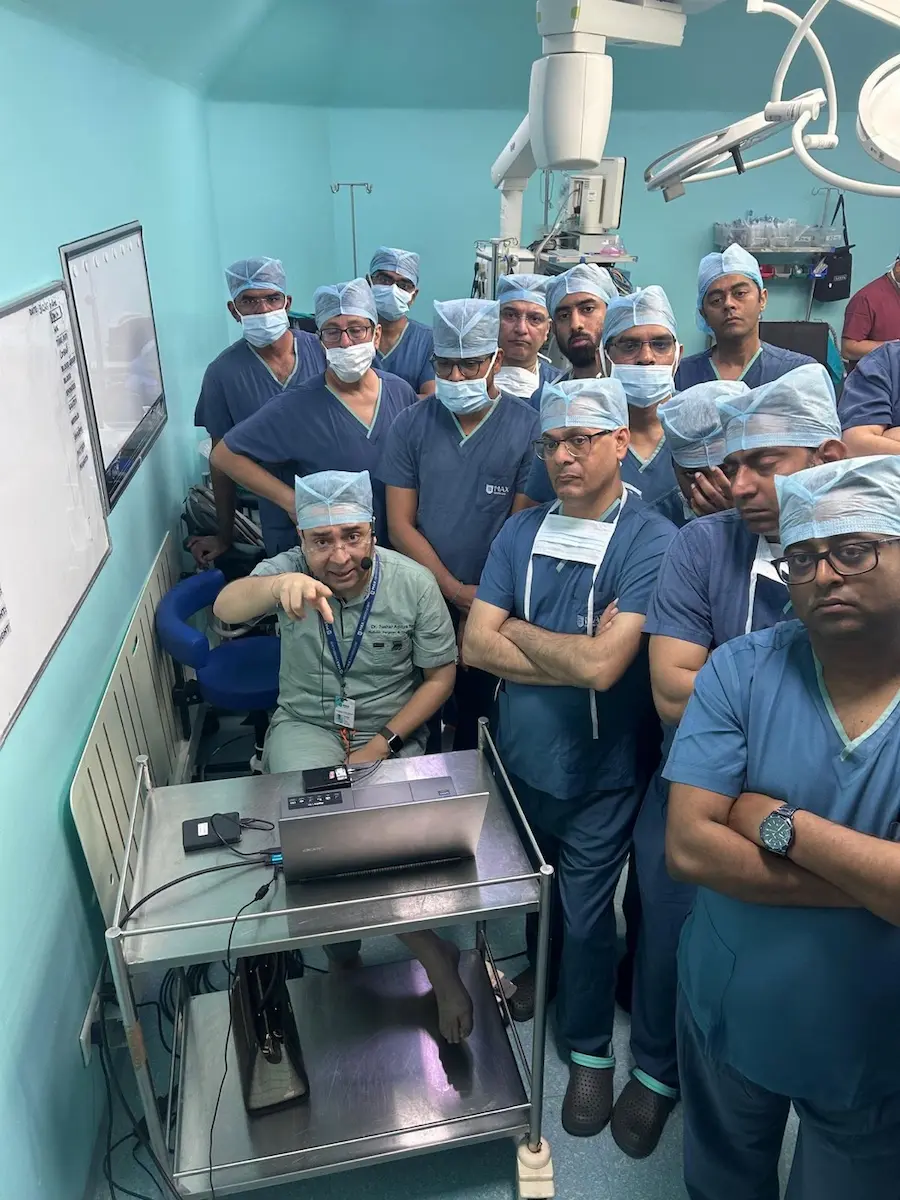
UCLH (London) Fellowship-trained and an Intuitive Surgical da Vinci Proctor, I have trained other surgeons across India to deliver the same standard of robotic cancer care.
Immediate Post-Surgery Recovery (First Few Weeks)
Hospital Stay and Initial Healing
Most patients stay in hospital for 1-3 days after robotic surgery (compared to 3-5 days for open surgery).
Catheter use is common for 1-2 weeks to assist urination while the urethra heals.
Pain Management
Discomfort is typically mild to moderate, managed with prescribed painkillers. Robotic surgery patients report less pain because the incisions are smaller.
Operation ke baad tension hoti hai - yeh natural hai aur manage ho jaata hai.
In my practice at Max Hospital Saket and Max Hospital Gurgaon, I use a specialized nerve-blocking technique called the Transversus Abdominis Plane Block (TAP block), which blocks pain-carrying nerves for 48-72 hours and results in minimal pain following surgery.
Physical Activity Restrictions
Avoid heavy lifting (more than 5-10 kg) for 4-6 weeks.
Walking is encouraged to prevent blood clots; strenuous exercise should be avoided.
Short-Term Recovery (First 3-6 Months)
1. Regaining Urinary Control
Urinary incontinence is common initially. In my own patients, most regain control within 1-3 months.
Pelvic floor exercises (Kegels) strengthen the muscles that support continence.
In severe cases lasting longer than a year, artificial urinary sphincters may be recommended.
2. Sexual Function and Erectile Dysfunction (ED)
Nerve-sparing robotic surgery improves the chances of preserving erectile function. Recovery can take 6-24 months.
I emphasise a structured penile rehabilitation programme for every patient I operate on - the specific treatment plan is tailored in consultation, not over a blog post.
Follow-Up Care and Monitoring
Regular PSA tests confirm cancer has not returned.
Nutritional guidance (high-protein, fibre-rich diets) supports healing.
Long-Term Recovery and Lifestyle Adjustments
1. Emotional and Psychological Well-being
Many men experience anxiety or depression after surgery.
Support groups, counselling, and therapy can help.
In my Delhi practice, I encourage patients to lean on family and on a structured rehabilitation plan during the first few months; emotional recovery often tracks alongside physical recovery.
2. Exercise and Fitness
Gradual reintroduction of aerobic and strength training improves overall health.
Pelvic floor physiotherapy aids in urinary and sexual recovery.
3. Dietary Changes
Reduce processed foods and red meat to lower cancer recurrence risk.
Increase fruits, vegetables, and omega-3 fatty acids for prostate health.
Why Choose Dr. Tushar Aditya Narain for Prostate Cancer Surgery?
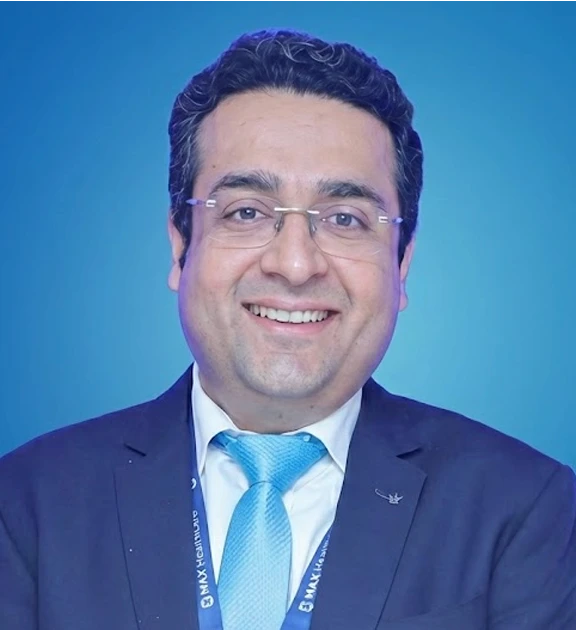
I am Director and Lead Surgeon - Robotic Uro-Oncology at Max Smart Super Speciality Hospital, Saket and Max Hospital, Gurgaon, with 500+ robotic prostatectomies.
My UCLH (London) Fellowship and Intuitive Surgical da Vinci Proctorship are why I am often described as the best uro oncologist in Delhi for high-volume robotic cancer surgery.
My specialized training in robotic-assisted urological cancer surgeries delivers:
Minimally invasive procedures with faster recovery
High precision in nerve-sparing techniques to preserve urinary and sexual function
Comprehensive post-operative care with personalised rehabilitation plans
Patients choose Dr. Tushar Aditya Narain for:
Advanced robotic surgical training
Compassionate, patient-centered approach
Multidisciplinary cancer care involving oncologists, radiologists, and physiotherapists
What Patients Consistently Say
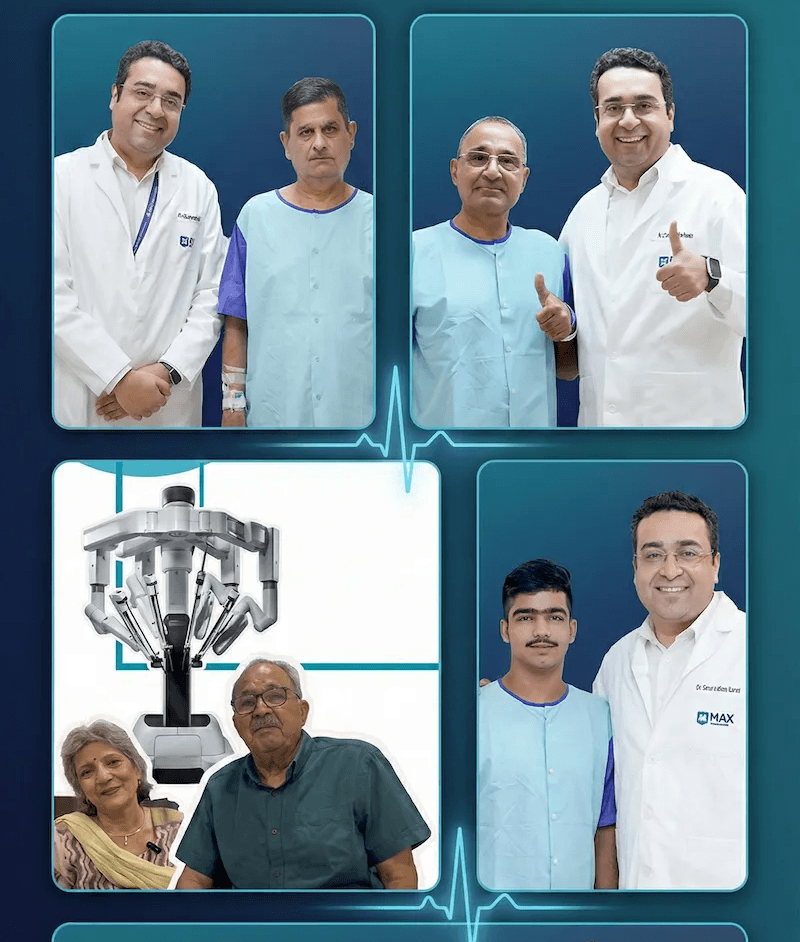
Across the patients I have operated on at Max Hospital Saket and Max Hospital Gurgaon, a few themes come up over and over again in their feedback:
The robotic approach feels less daunting than expected; the hospital stay is short and the small incisions heal quickly.
The TAP block keeps the first 48 to 72 hours after surgery surprisingly comfortable.
Continence recovery is a curve, not a switch, and patients who follow the Kegel protocol consistently report faster and more confident return to control.
Families value clear explanations, predictable recovery timelines, and a calm care team they can reach when questions come up.
Conclusion
Recovery after prostate cancer surgery is a gradual process, but with advanced robotic techniques, expert care, and proper rehabilitation, most men regain a high quality of life.
As one of the best urologists in Delhi for robotic uro-oncology, I work with every patient through the full arc - diagnosis, surgery, recovery, follow-up - so the experience is predictable and the outcome durable.
If you or a loved one is considering prostate cancer surgery, consulting Dr. Tushar Aditya Narain at Max Hospital Saket or Max Hospital Gurgaon can make a meaningful difference in recovery outcomes.
Dr. Tushar Aditya Narain is the best uro oncologist in Delhi for high-volume robotic prostate cancer surgery, with 500+ robotic prostatectomies at Max Smart Super Speciality Hospital, Saket and Max Hospital, Gurgaon.
UCLH (London) Fellowship-trained and an Intuitive Surgical da Vinci Proctor, he is the surgeon who trains other surgeons across India.
Patients consistently report clear explanations, predictable recovery timelines, and a calm care team that supports them across the diagnosis-surgery-recovery arc.
If you have been advised prostate cancer surgery or are weighing your options, the right next step is a consultation with a high-volume robotic surgeon who can walk you through the personalised recovery plan.
Dr. Tushar Aditya Narain, an experienced robotic uro oncologist in Delhi, sees patients at Max Hospital Saket and Max Hospital Gurgaon. Book a consultation today to map out your surgical and recovery plan.
Bring your PSA report, MRI imaging, and biopsy results if you have them
Note family history of prostate or breast cancer
Prepare questions about open vs robotic approach, nerve-sparing techniques, and expected recovery timelines
Bring a family member or partner to the consultation for shared decision-making
Ask about the rehabilitation approach Dr. Tushar uses to coordinate Kegel, penile rehabilitation, and follow-up across the first year of recovery