Robotic Surgery for Adrenal Cancer
Robotic adrenalectomy for adrenal tumours and pheochromocytoma. Cortex-sparing technique when feasible. Da Vinci Xi system at Max Hospital.
Adrenal Mass Discovery: Urgent Need for Accurate Diagnosis.
Adrenal tumors are often discovered incidentally during scans for unrelated symptoms ("Incidentalomas"). The challenge is quickly determining if the mass is hormonal (over-secreting adrenaline or cortisol) or malignant. Safety First: We must strictly rule out Pheochromocytoma (adrenaline-secreting tumor) before any surgical intervention.
Robotic Adrenalectomy: Minimally Invasive, Maximum Safety.
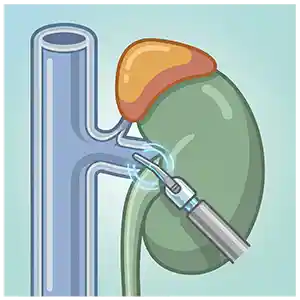
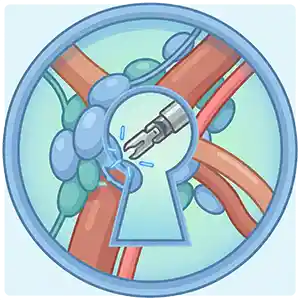
The da Vinci robot allows Dr. Tushar to perform adrenalectomy through keyhole incisions, minimizing trauma. The precision of the 3D magnified view is critical for safely dissecting the fragile adrenal gland from major blood vessels, especially the short and variable adrenal vein connected to the Inferior Vena Cava (IVC). We use specialized No-Touch techniques to ligate the vein early, preventing hormonal surges during removal.
Rapid Recovery, Managed Hormone Balance.
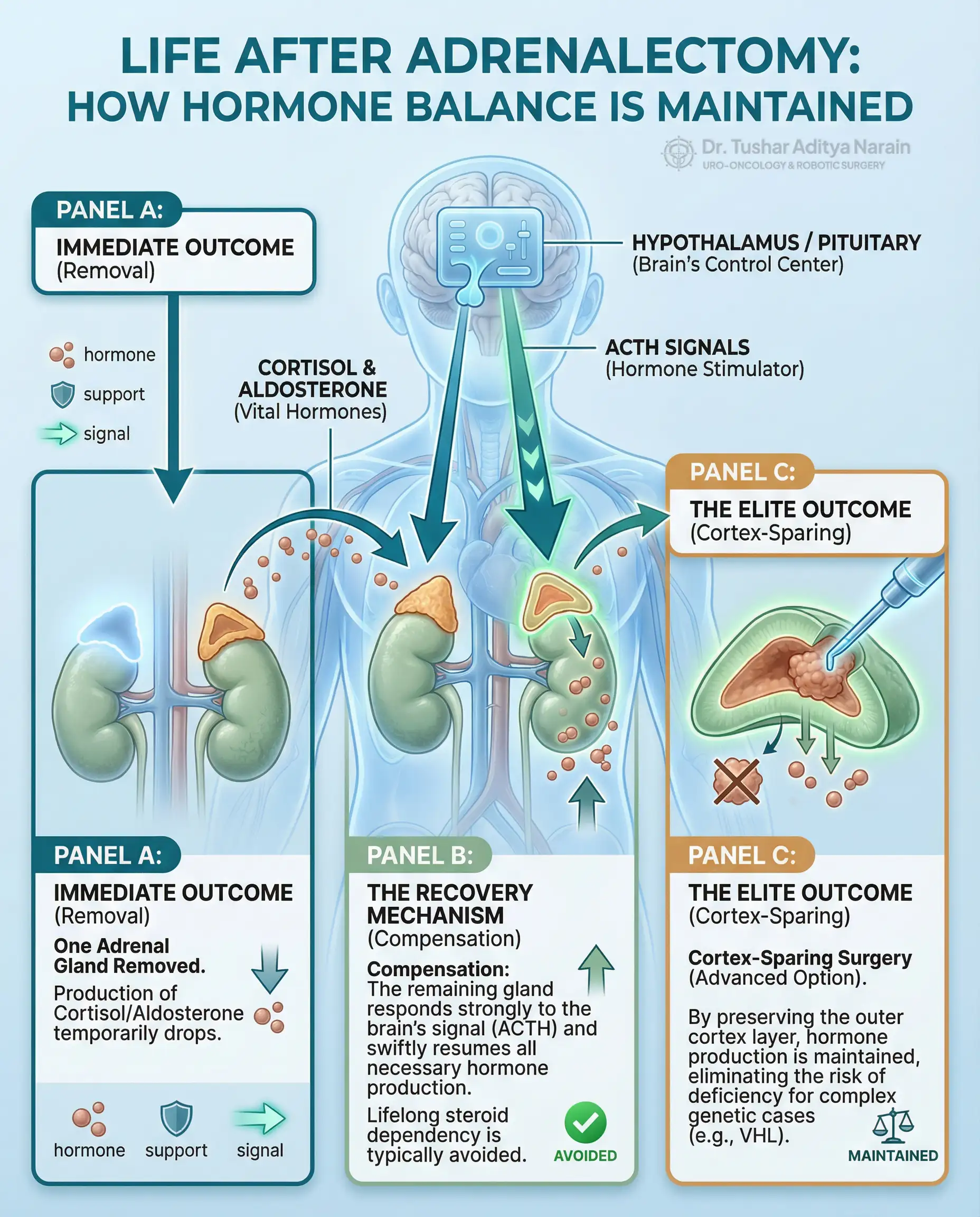
Recovery is fast due to the minimally invasive approach. Patients experience reduced blood loss and minimal pain in published series, often supporting discharge on Day 1 or 2. For unilateral removal, the remaining gland typically compensates rapidly. We strictly monitor your hormone levels and proactively manage temporary steroid supplementation to prevent any post-operative adrenal insufficiency.
Focus: Complete Resection and Functional Preservation.
The goal is complete resection with reduced blood loss using the robotic approach.
For patients with genetic risks (e.g., VHL, MEN2), Dr. Tushar performs Cortex-Sparing Partial Adrenalectomy when feasible.
This technique removes only the tumor, preserving the outer gland tissue to prevent the need for lifelong steroid replacement therapy.
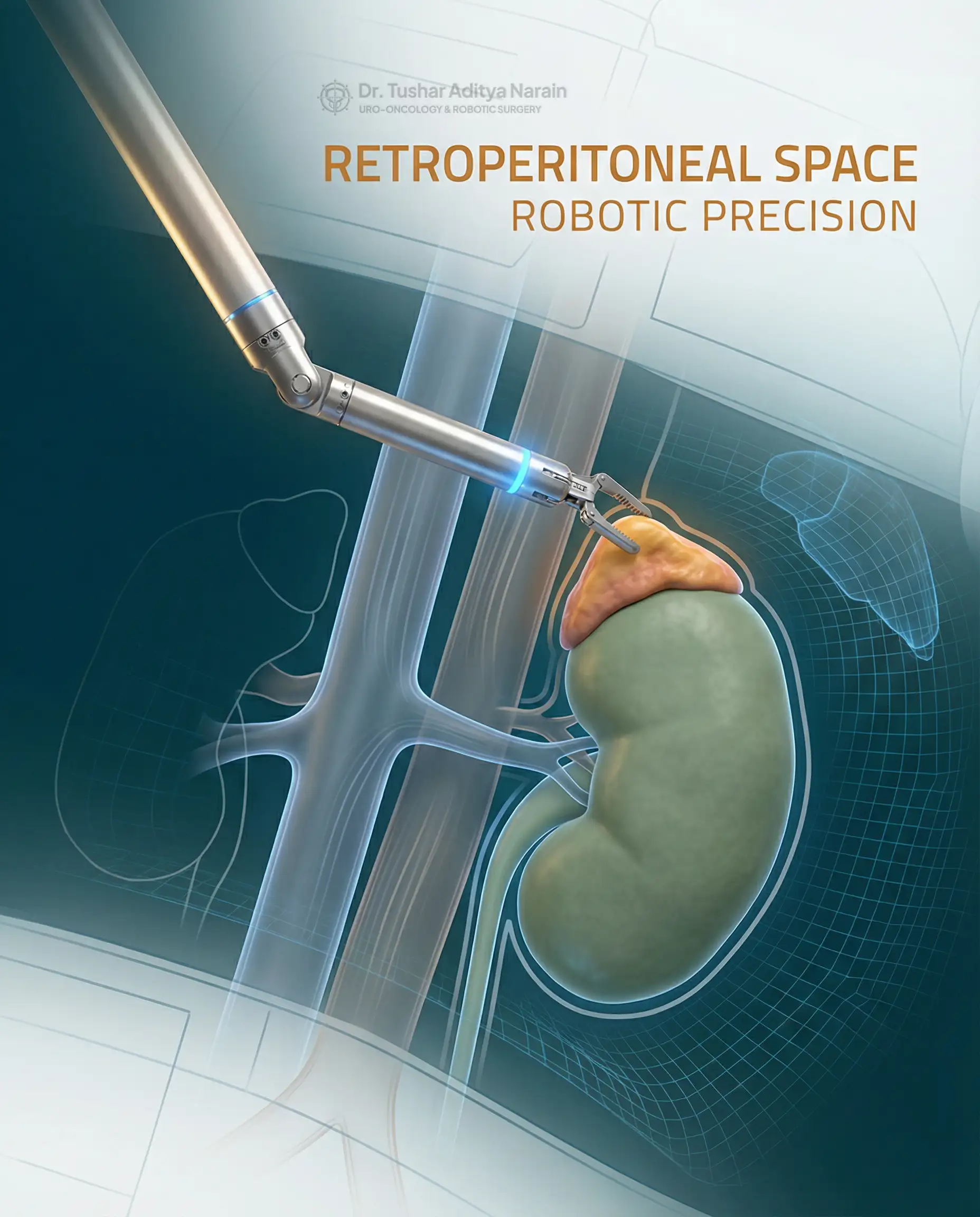
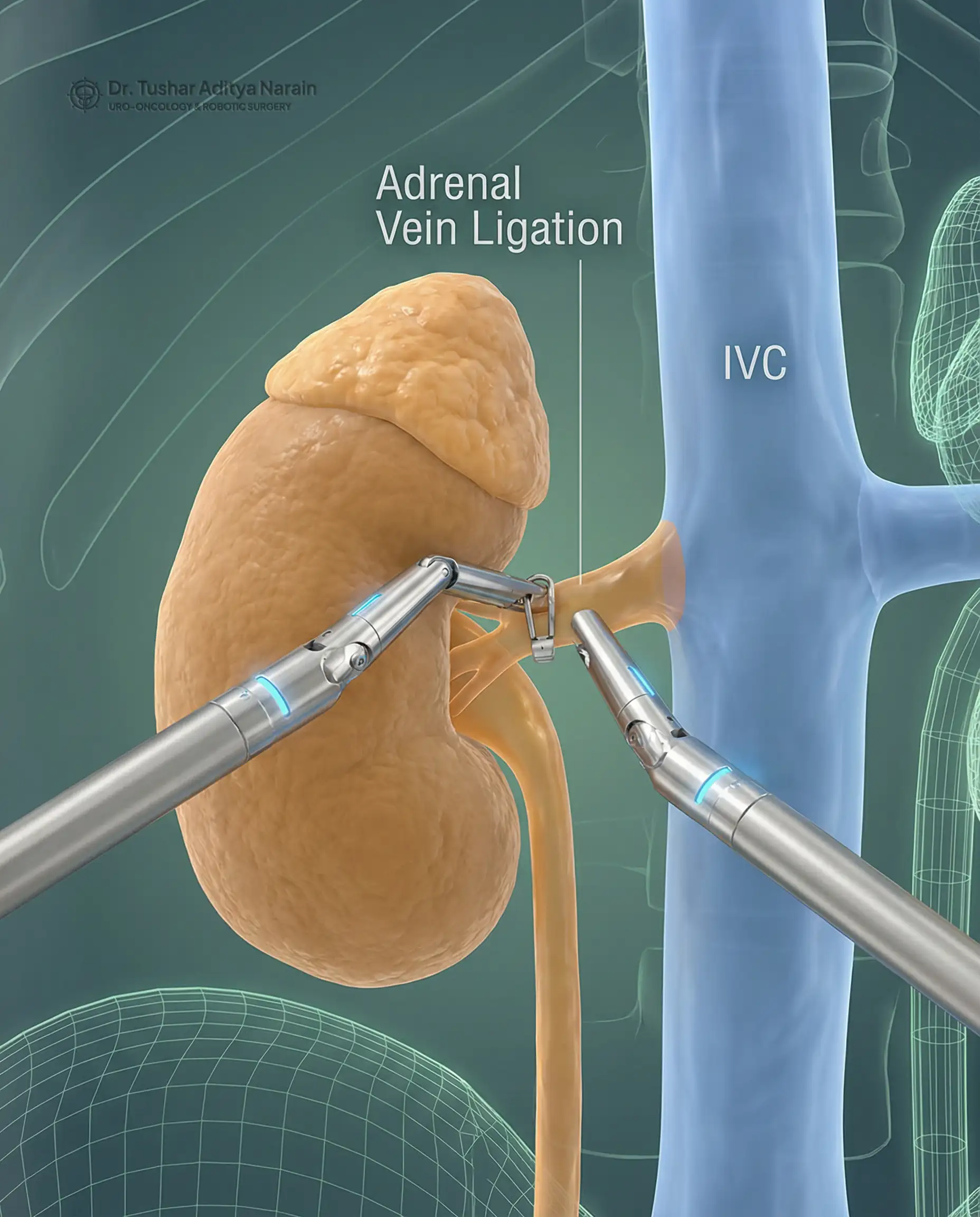
Precision Safety: The "No-Touch" Protocol & Hormone Balance
Adrenal surgery requires extreme caution. Explore our "No-Touch" technique designed to prevent dangerous hormone spikes during the procedure. Then, see how your body naturally adapts post-surgery to maintain hormonal health without lifelong medication. Ensure the safest possible outcome.
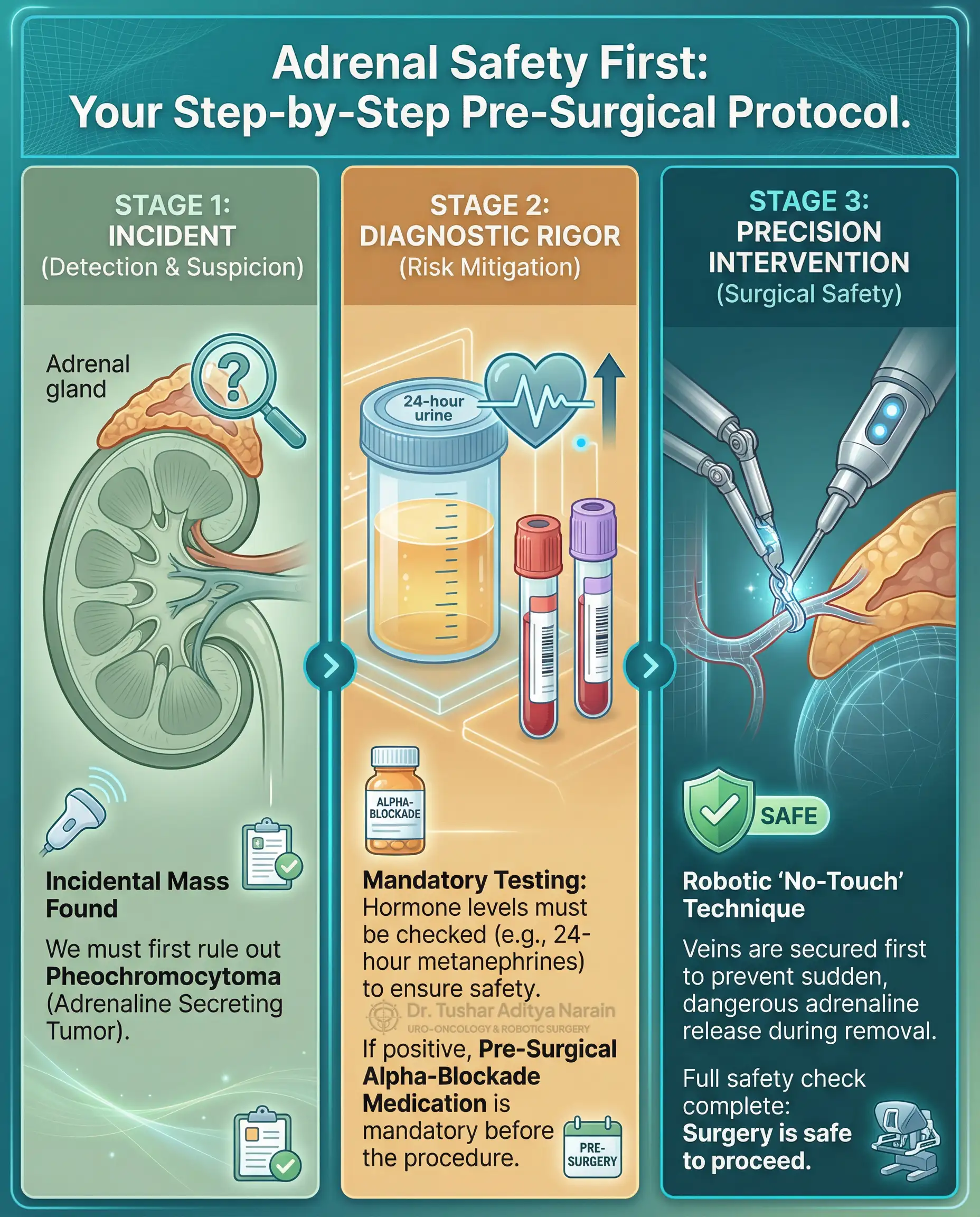
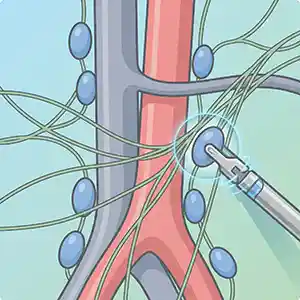
Adrenal Tumour Management: The Essential Safety Checklist
Flowchart infographic detailing the Adrenal Safety Protocol. It outlines three critical stages: identifying the incidental mass, performing mandatory functional hormone testing, and executing a Robotic No-Touch Adrenalectomy for patient safety.
Adrenal Gland Compensation: Functional Recovery Explained
Comparative infographic showing hormone maintenance after unilateral adrenalectomy. It illustrates the remaining adrenal gland successfully compensating its function, reassuring the patient about avoidance of lifelong steroid dependency.


Select a phase to understand the detailed journey
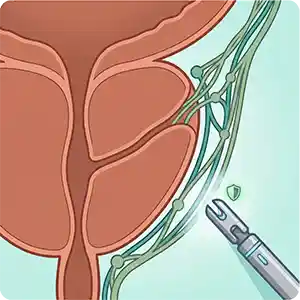
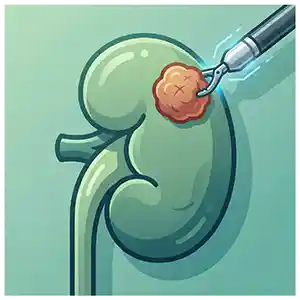
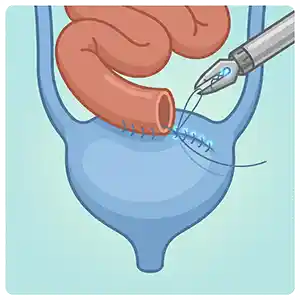
Adrenal Cancer

Adrenal Tumor Summary
Adrenal tumours can be benign, adrenal cortical cancers, or paragangliomas arising from the adrenal medulla, known as pheochromocytomas.
Tumours originating from the adrenal cortex, whether benign or malignant (adrenal cortical carcinoma), are usually asymptomatic, but may occasionally present with abdominal pain or a palpable lump in cases of larger masses.
Hormonal Effects and Symptoms
Some adrenal tumours produce excess steroids or sex hormones, leading to symptoms caused by hormonal imbalance.
Patients with pheochromocytomas experience symptoms of catecholamine excess, with the classic triad being:
Headache
Palpitations
Excessive sweating
They may also develop hypertension and deranged glucose metabolism due to overproduction of catecholamines.
Diagnosis
Diagnosis is based on:
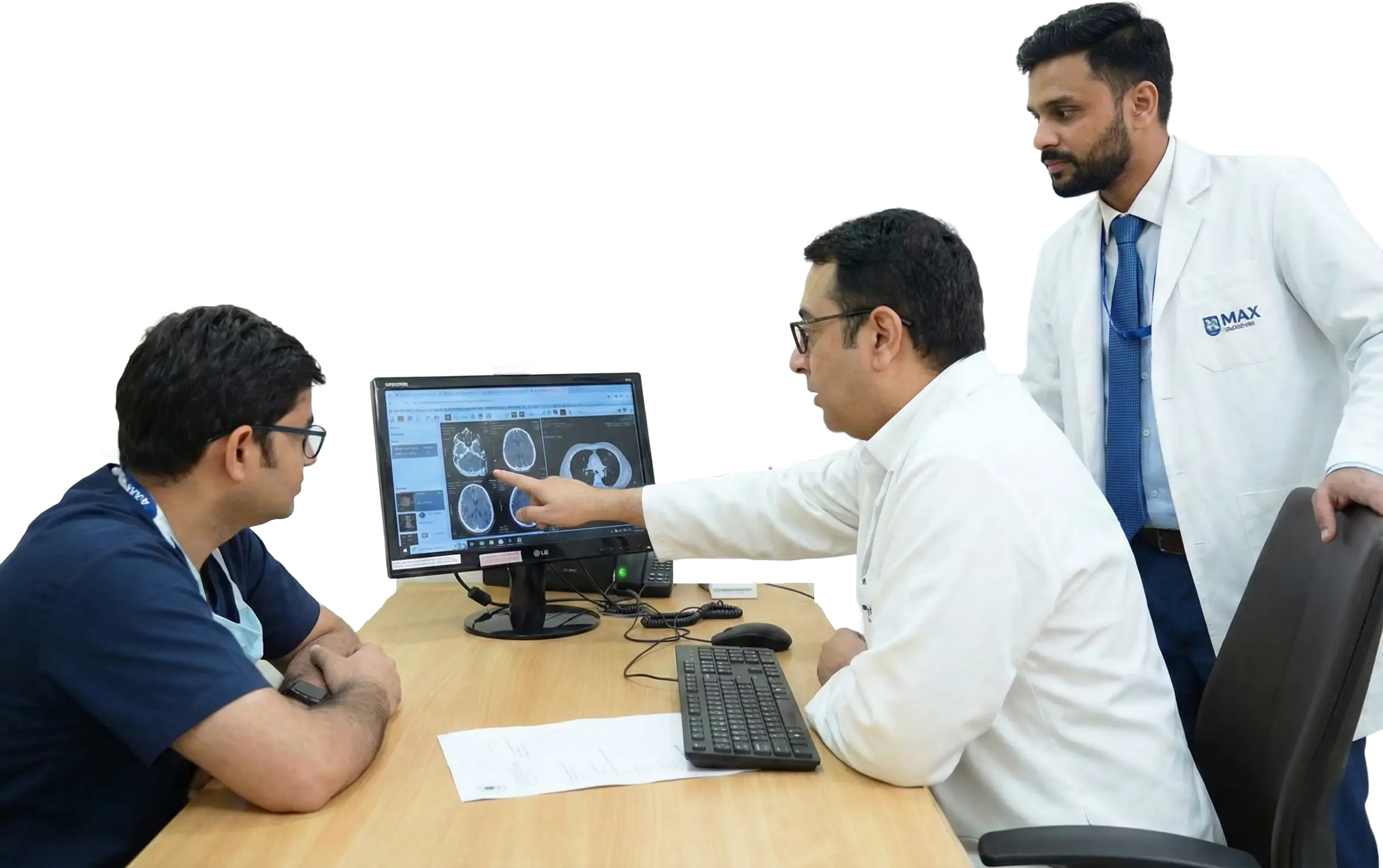
CT scan of the abdomen to identify the tumour.
Measurement of plasma metanephrine and normetanephrine levels to confirm pheochromocytoma or other hormonally active tumours.
Treatment Options
Surgery is the mainstay of treatment for most adrenal masses — both cortical tumours and pheochromocytomas.
However, pheochromocytomas require medical preparation before surgery to counteract the effects of excess catecholamines, ensuring patient safety during the procedure.
Robotic and laparoscopic surgery offer a minimally invasive approach for adrenal tumour removal, providing:
Minimal postoperative pain
Shorter hospital stay
Reduced morbidity compared to the traditional open approach