Robotic Surgery for Testicular Cancer

Testicular cancer treatment including robotic nerve-sparing RPLND. Focus on fertility preservation and ejaculatory function. Outcomes depend on disease stage and tumour type.
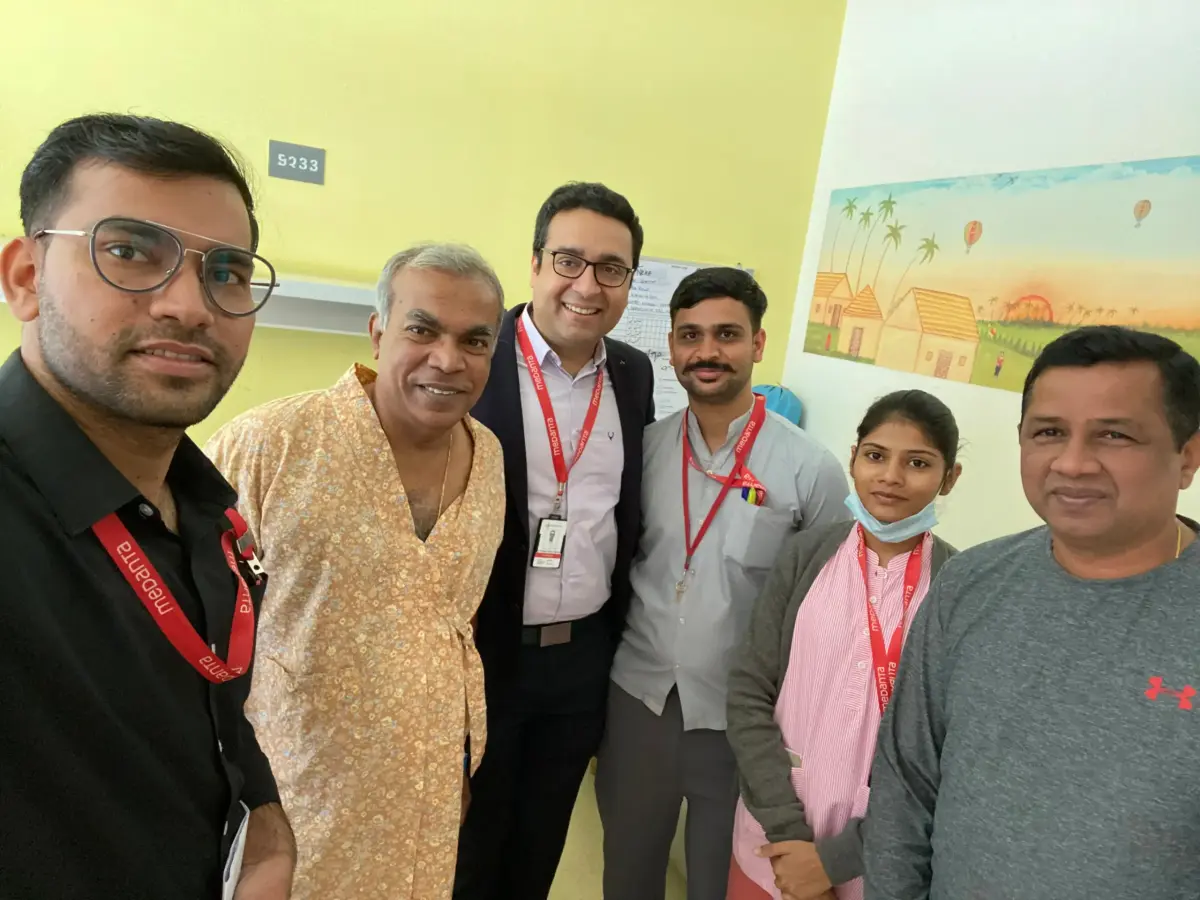
Dr. Tushar Aditya Narain and his specialized medical team with a testicular cancer patient and family celebrating a successful recovery.

Testicular Cancer: The Highly Curable Disease.


This cancer most often affects young men between the ages of 15 and 45. It is usually detected as a painless lump or swelling in the testicle. If you notice any change, it requires immediate, definitive diagnosis. The initial step is always surgical removal of the testicle through the groin (Inguinal Orchiectomy). The excellent news is that even when cancer has spread, the cure rate is over 95% with modern treatment.

The Precision Moat: Navigating Complex Retroperitoneal Surgery.


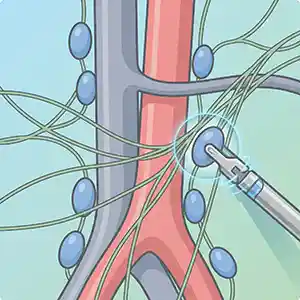
Once the initial surgery is complete, depending on the type (Seminoma or Non-Seminoma) and stage, additional surgery called Robotic Retroperitoneal Lymph Node Dissection (RPLND) may be necessary. This is a highly complex procedure performed deep in the abdomen, close to major blood vessels and critical nerves controlling ejaculation. Dr. Tushar utilizes robotic assistance to perform nerve-sparing RPLND, minimizing side effects like ejaculatory failure while ensuring precise removal of potentially cancerous lymph nodes.

Restoring Identity: Fertility and Prosthetics.


We understand that surgical removal of a testicle affects body image and worries about future fertility.

  • For nearly all patients, we offer a testicular prosthetic (implant) to maintain natural appearance.

  • Sperm banking is mandatory before starting any chemotherapy or radiation, and our care team assists with all coordination.

  • Post-operative support focuses heavily on psychological and sexual health, ensuring a confident return to normal life.

The High Cure Standard: 95%+ Survival.


For all stages of testicular cancer, the prognosis is excellent.

  • Curability is achieved in over 95% of cases.

  • Our focus is achieving this high survival rate while maximizing long-term quality of life, specifically maintaining hormonal balance and supporting functional recovery (ejaculation and fertility).
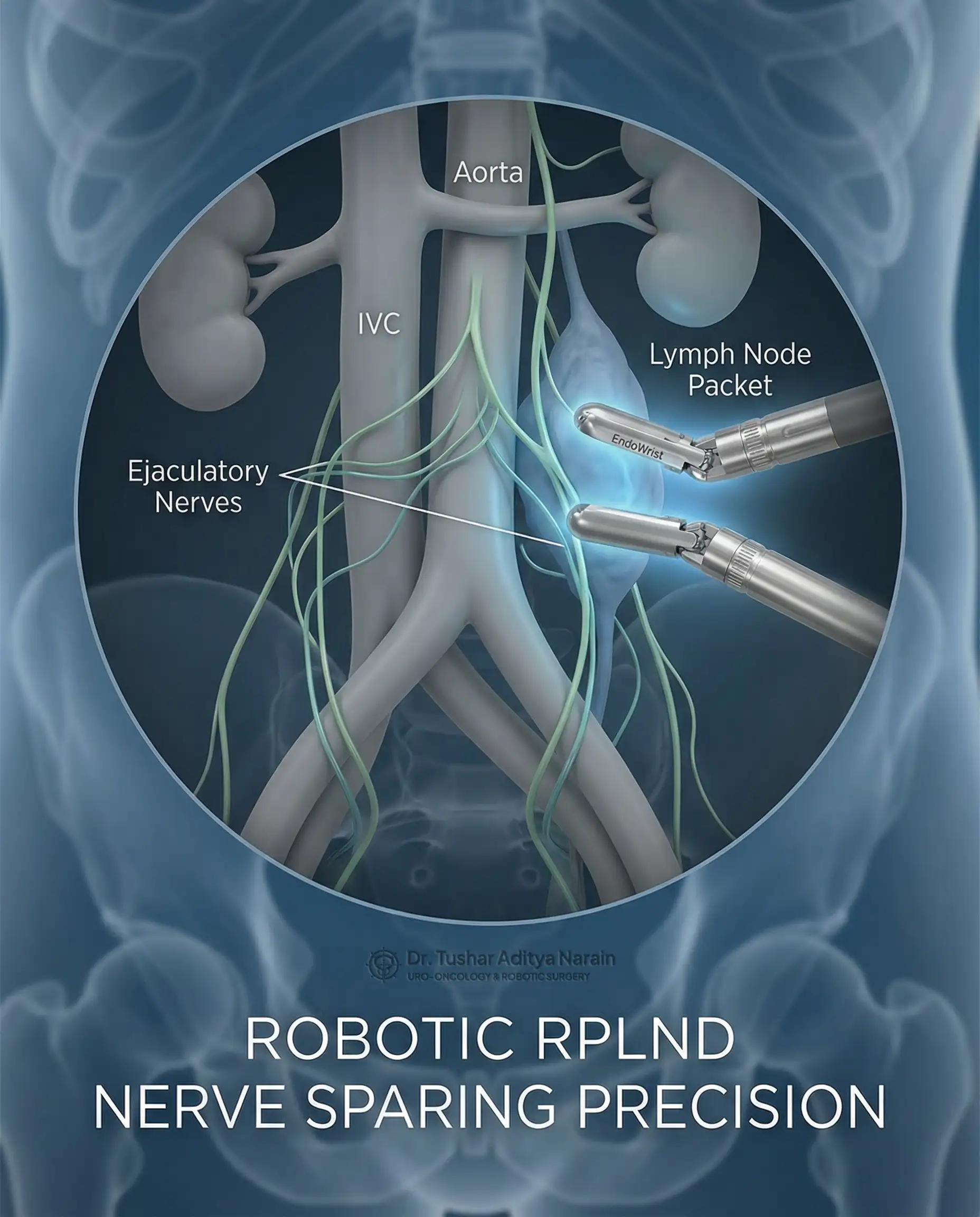
Testicular Cancer: 100% Curable Treatment for Young Men with Robotic Precision

Testicular Cancer: 100% Curable Treatment for Young Men with Robotic Precision

Affecting men in their 20s and 30s, testicular cancer presents as a painless lump but is highly curable. Dr. Tushar explains the critical "High Inguinal" removal technique and advanced Robotic surgery for lymph nodes (RPLND) that ensures a full recovery. Protect your future and your health - don't wait, secure your booking.

Affecting men in their 20s and 30s, testicular cancer presents as a painless lump but is highly curable. Dr. Tushar explains the critical "High Inguinal" removal technique and advanced Robotic surgery for lymph nodes (RPLND) that ensures a full recovery. Protect your future and your health - don't wait, secure your booking.

Dr Tushar talks about testicular cancer - the symptoms and treatments
Play video.

Treatment Outcomes & Sexual Function Considerations

Testicular cancer is among the most treatable solid tumours, with high response rates reported in published literature for early-stage disease. The robotic nerve-sparing technique is designed to help preserve ejaculatory function. Outcomes depend on disease stage, tumour type, and individual patient factors.
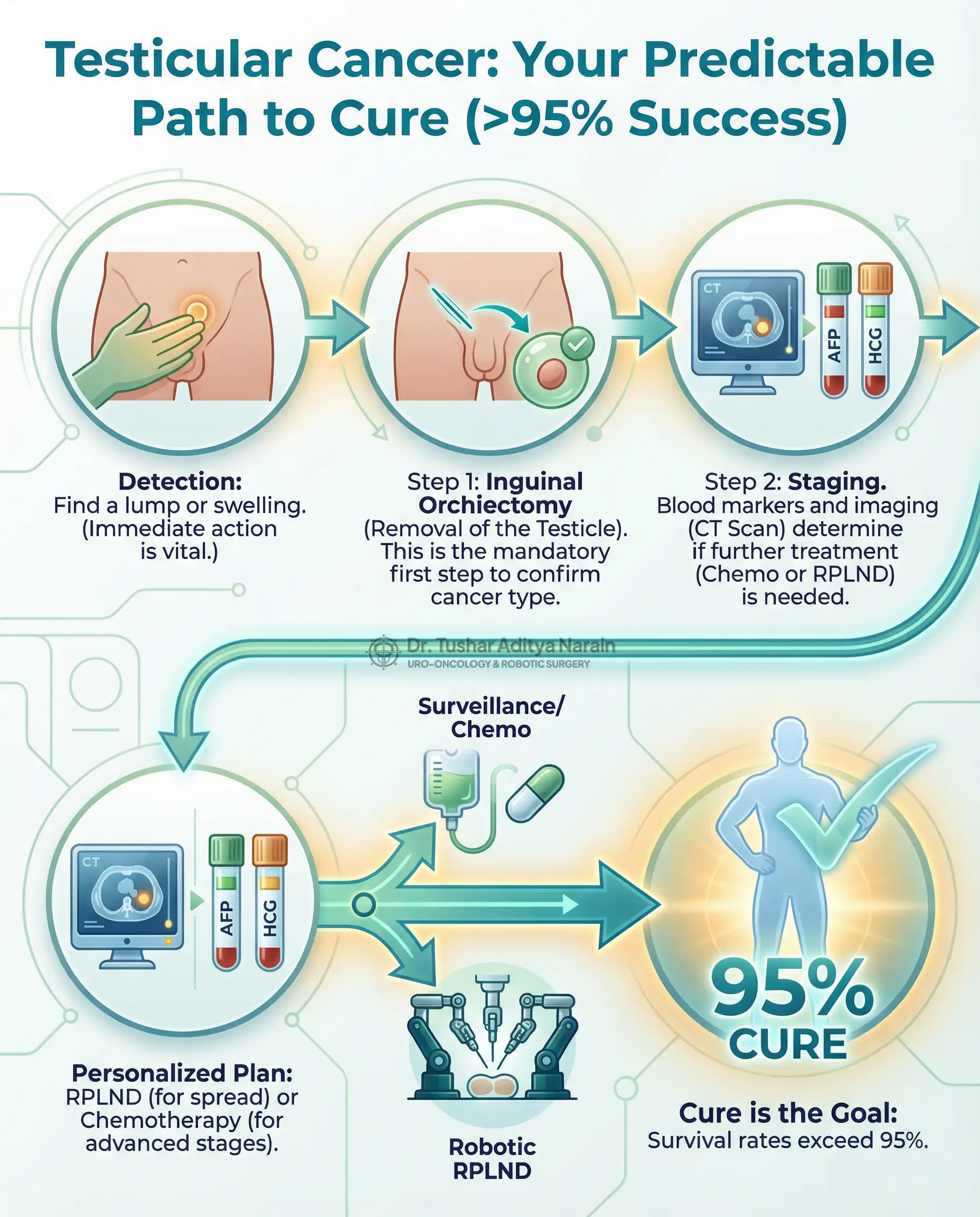
Flowchart infographic titled "Testicular Cancer: Your Path to Cure," detailing the diagnostic steps from lump detection and orchiectomy through staging and specialized treatment, prominently featuring the 95%+ cure rate.

Curative Journey Map: From Diagnosis to Cure

A step-by-step roadmap designed to de-stress the diagnosis by clearly outlining the short, predictable treatment pathway leading to a high chance of cure.

Functional Recovery After RPLND: Robotic vs. Open

Quantitative comparison proving that choosing Robotic Nerve-Sparing RPLND significantly reduces the risk of long-term sexual side effects, preserving quality of life.
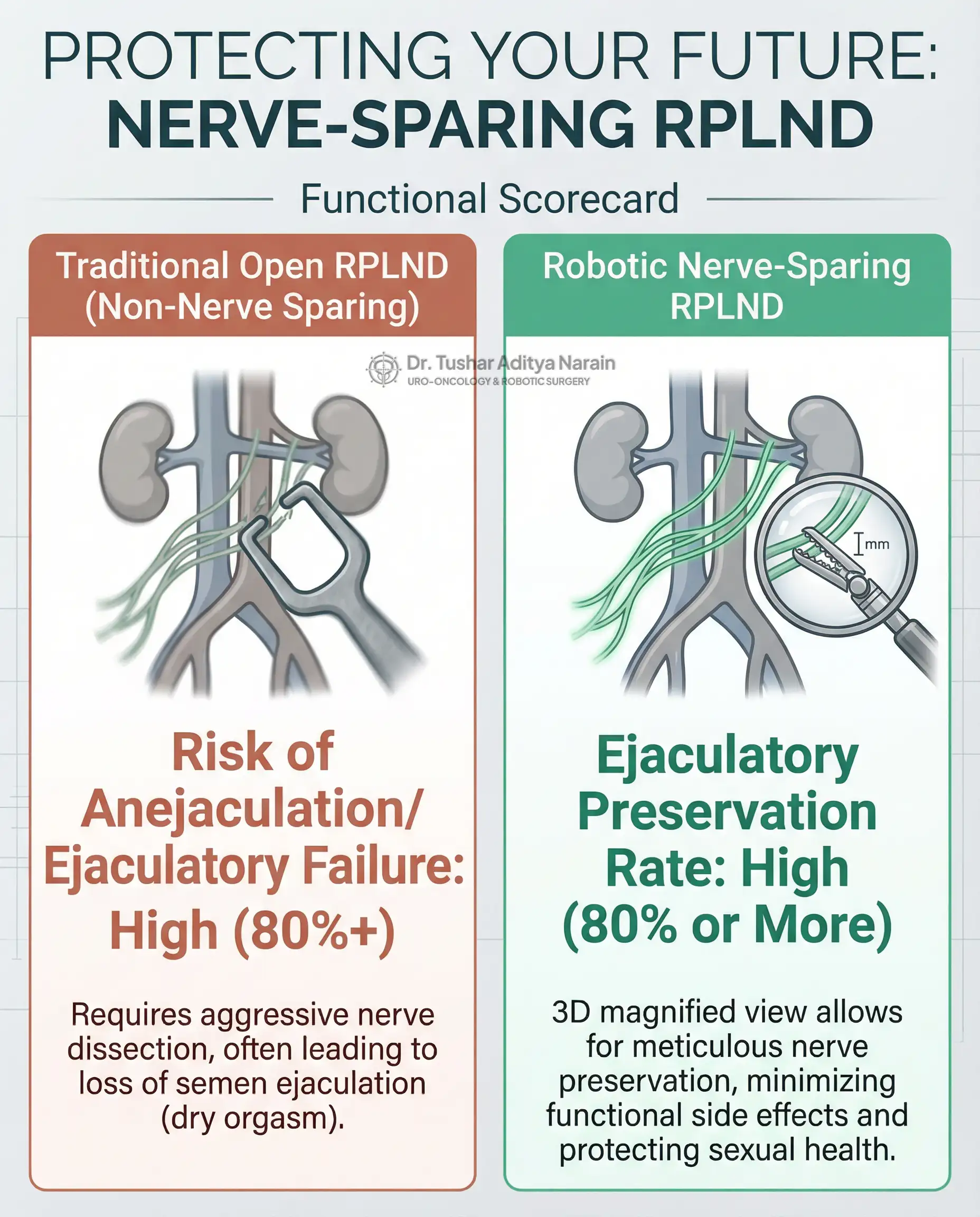

Dual-column comparative graphic contrasting Traditional RPLND with Robotic Nerve-Sparing RPLND, quantifying the robotic approach's advantage in preserving ejaculatory function and minimizing complications.

What our patients say on Google

Kidney Cancer

Bladder Cancer

Urology Consult

Robotic Surgery

Caregiver Reviews

Sharan Bhatia

Prostate Cancer
Rated 5 stars on Google for patient satisfaction and robotic surgery outcomes.

30 August 2025

quotation marks before the start of the review content for Dr Tushar

I had negligible pain post procedure and surgery was performed in a highly skilled manner with great expertise by Dr Tushar...

Read full review

Hanna Tilabun

Prostate Cancer
Rated 5 stars on Google for patient satisfaction and robotic surgery outcomes.

15 June 2025

quotation marks before the start of the review content for Dr Tushar

Thushar is not only an exceptionally skilled uro-oncologist and robotic surgeon but also a remarkably humble and compassionate physician...

Read full review

MD NABEEL AKHTAR

Prostate Cancer
Rated 5 stars on Google for patient satisfaction and robotic surgery outcomes.

08 March 2025

quotation marks before the start of the review content for Dr Tushar

Exceptional Robotic Surgery by Dr. Tushar Aditya Narain

Dr. Tushar Aditya Narain performed a highly complex robotic surgery...

Read full review

Sharan Bhatia
Prostate Cancer
Rated 5 stars on Google for patient satisfaction and robotic surgery outcomes.

30 August 2025

quotation marks before the start of the review content for Dr Tushar

I had negligible pain post procedure and surgery was performed in a highly skilled manner with great expertise by Dr Tushar...

Read full review

Hanna Tilabun
Prostate Cancer
Rated 5 stars on Google for patient satisfaction and robotic surgery outcomes.

15 June 2025

quotation marks before the start of the review content for Dr Tushar

Thushar is not only an exceptionally skilled uro-oncologist and robotic surgeon but also a remarkably humble and compassionate physician...

Read full review

MD NABEEL AKHTAR
Prostate Cancer
Rated 5 stars on Google for patient satisfaction and robotic surgery outcomes.

08 March 2025

quotation marks before the start of the review content for Dr Tushar

Exceptional Robotic Surgery by Dr. Tushar Aditya Narain

He performed a highly complex robotic surgery...

Read full review

Sharan Bhatia
Prostate Cancer
Rated 5 stars on Google for patient satisfaction and robotic surgery outcomes.

30 August 2025

quotation marks before the start of the review content for Dr Tushar

I had negligible pain post procedure and surgery was performed in a highly skilled manner with great expertise by Dr Tushar...

Read full review

Hanna Tilabun
Prostate Cancer
Rated 5 stars on Google for patient satisfaction and robotic surgery outcomes.

15 June 2025

quotation marks before the start of the review content for Dr Tushar

Thushar is not only an exceptionally skilled uro-oncologist and robotic surgeon but also a remarkably humble and compassionate physician...

Read full review

MD NABEEL AKHTAR
Prostate Cancer
Rated 5 stars on Google for patient satisfaction and robotic surgery outcomes.

08 March 2025

quotation marks before the start of the review content for Dr Tushar

Exceptional Robotic Surgery by Dr. Tushar Aditya Narain

Dr. Tushar Aditya Narain performed a highly complex robotic surgery...

Read full review

Select a phase to understand the detailed journey
You have questions. We have a plan. See exactly what happens, who supports you, and how we guide you home - from your first call to full recovery.

You have questions. We have a plan. See exactly what happens, who supports you, and how we guide you home - from your first call to full recovery.

Will losing a testicle affect my ability to have sex or maintain masculinity?

Will I be sterile or unable to have children after treatment?

How does Robotic RPLND protect my ability to ejaculate?

What is the risk of the cancer coming back?

Will losing a testicle affect my ability to have sex or maintain masculinity?

Will I be sterile or unable to have children after treatment?

How does Robotic RPLND protect my ability to ejaculate?

What is the risk of the cancer coming back?

You Don't Just Get a Surgeon. You Get a System.

Dr. Tushar leads the surgery, but our team manages the journey. From handling paperwork to daily recovery advice, we manage the logistics so you can focus on healing.

Dr. Tushar Aditya Narain reviewing a patient's diagnostic scan on a monitor with his medical team to coordinate surgical planning and recovery logistics.

You Don't Just Get a Surgeon. You Get a System.

Dr. Tushar leads the surgery, but our team manages the journey. From handling paperwork to daily recovery advice, we manage the logistics so you can focus on healing.

Dr. Tushar Aditya Narain reviewing a patient's diagnostic scan on a monitor with his medical team to coordinate surgical planning and recovery logistics.

You Don't Just Get a Surgeon. You Get a System.

Dr. Tushar leads the surgery, but our team manages the journey. From handling paperwork to daily recovery advice, we manage the logistics so you can focus on healing.

Dr. Tushar Aditya Narain reviewing a patient's diagnostic scan on a monitor with his medical team to coordinate surgical planning and recovery logistics.

Testicular Cancer Summary


Testicular cancer typically presents as a painless enlargement of the testis. Often, attention is drawn to the affected testis after a minor or trivial trauma. Patients may also experience a decrease in sensation in the affected testis.


Types of Testicular Tumours

Testicular tumours are broadly classified into two categories:

  • Seminomatous tumours

  • Non-seminomatous tumours

The age of presentation, prognosis, and treatment modalities vary between these two types.


Diagnosis and Blood Markers

Initial distinction between the two types is made through measurement of specific tumour markers in the blood:

  • Alpha-fetoprotein (AFP)

  • Beta Human Chorionic Gonadotropin (B-HCG)

  • Lactate Dehydrogenase (LDH)

A definitive diagnosis is established through histopathological examination following a high inguinal orchidectomy.

Note: Transscrotal biopsy or scrotal orchidectomy is not recommended due to oncological concerns and the risk of tumour spread.


Staging and Evaluation

CT scans of the chest and abdomen are used for staging, primarily to detect metastases to the retroperitoneal lymph nodes.


Treatment Approach

Treatment depends on:

  • The stage of the disease

  • The type of tumour (Seminoma vs Non-seminoma)

  • The levels of blood tumour markers

  • Early-stage disease: managed with high inguinal orchidectomy followed by active surveillance.

  • Advanced stages: may require chemotherapy, surgery (such as Retroperitoneal Lymph Node Dissection – RPLND) or radiotherapy, depending on the tumour subtype.


RPLND can now be performed using a robotic surgical approach, offering the benefits of minimally invasive surgery — smaller incisions, less pain, and faster recovery compared to traditional open surgery.