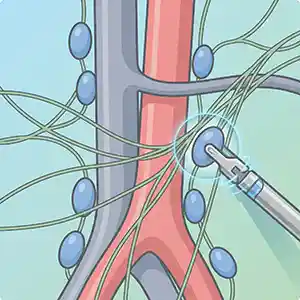
Robotic Surgery for Prostate Cancer

Robotic prostatectomy at Max Hospital Delhi. Nerve-sparing approach for continence and potency preservation. Fellowship-trained uro-oncologist.
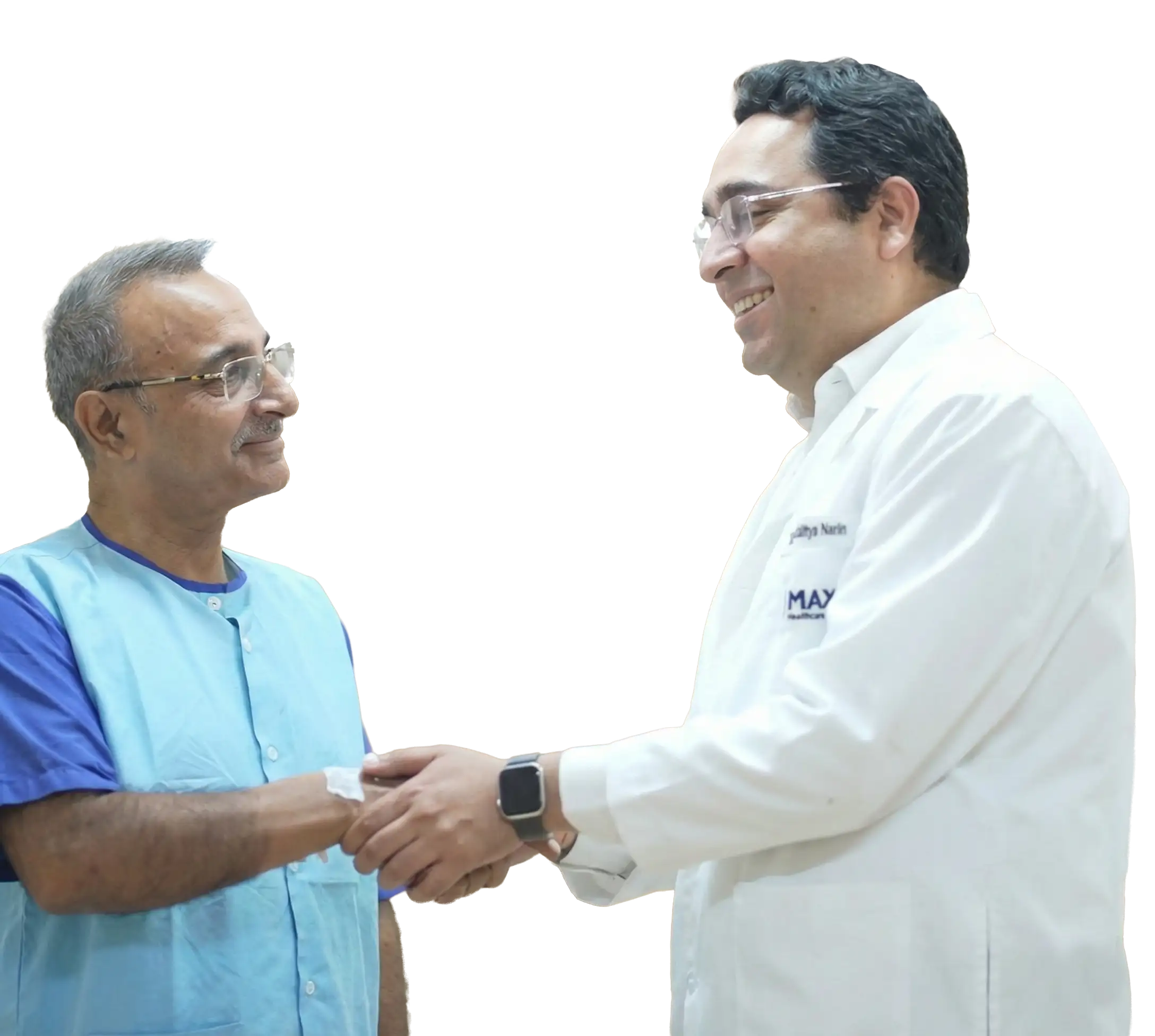
Dr. Tushar with patient who has successfuly completed prostate cancer surgery.

Understanding Prostate Cancer: The Need for Timely Action.


Most patients (60+) experience slow stream, frequency, or nocturia, often misattributed to aging. The core problem is the fear and the delay. Diagnosis involves PSA, DRE, sometimes mpMRI, and biopsy. Early detection offers a complete cure.

Robotic-Assisted Radical Prostatectomy: Dr. Tushar's Advantage


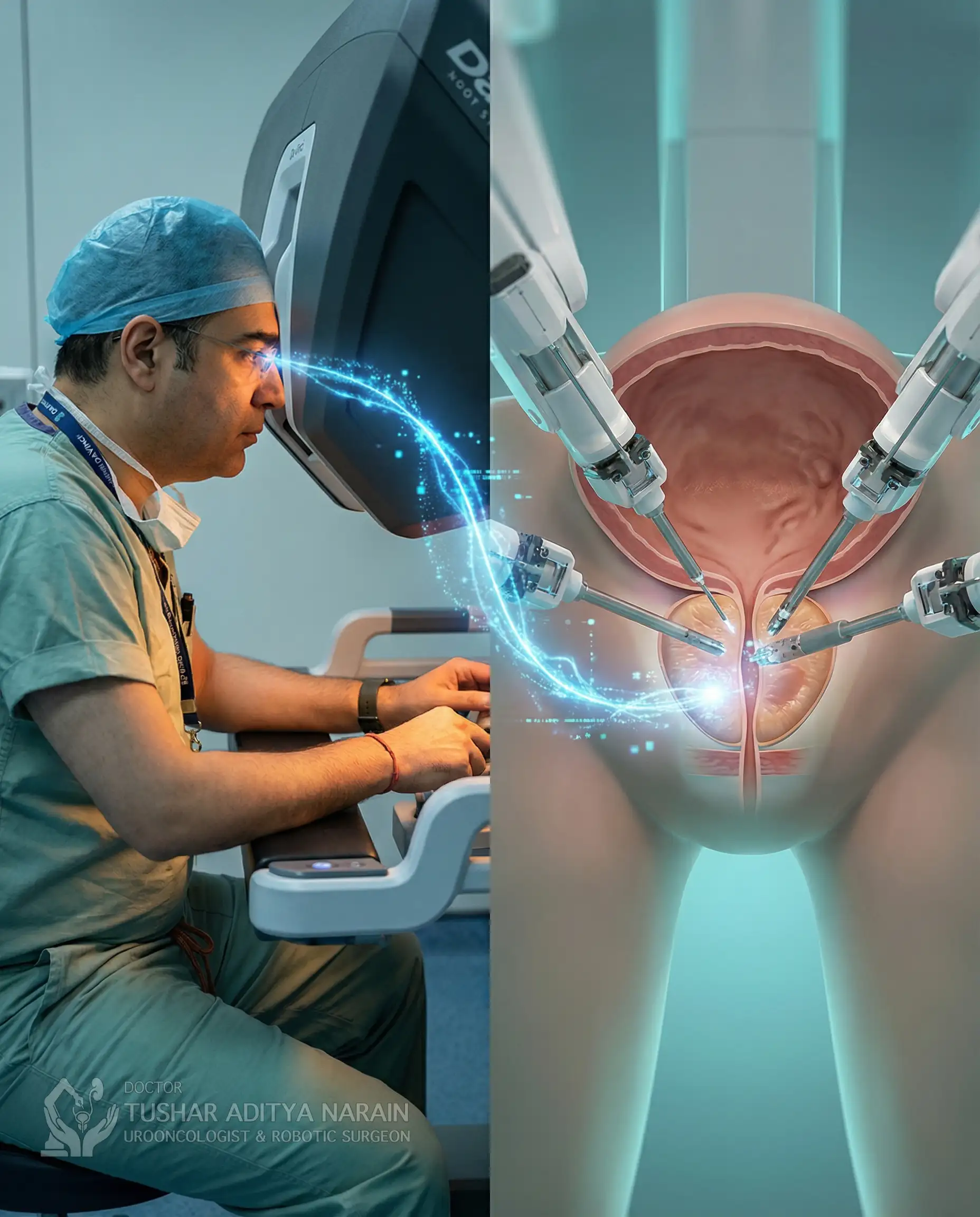
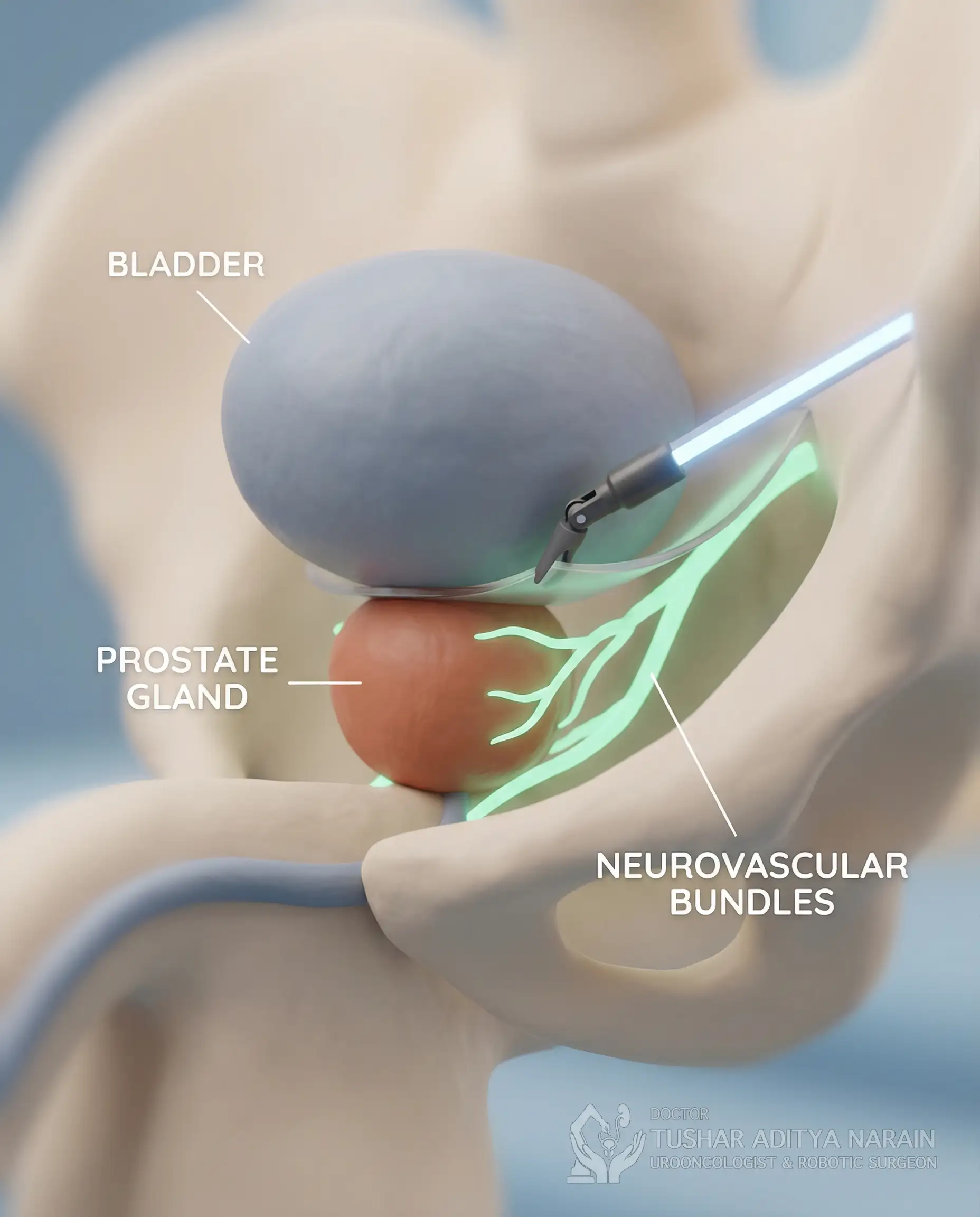
Dr. Tushar is an Official Proctor with Intuitive Surgical and trained in London (UCLH). RARP offers enhanced 3D vision, high precision, and minimal blood loss. Nerve-Sparing Technique: Dr. Tushar focuses on preserving the delicate cavernous nerves critical for erectile function.

Recovery and Life After Prostate Surgery


Minimal pain, discharge possible 1 day after surgery. Catheter Care: Catheter remains for approximately 10 days. Penile Rehabilitation: Active plan must start early (PDE5 inhibitors, vacuum pumps) to maintain tissue health and restore identity.

The Focus: Continence and Potency.
  • Robotic surgery delivers excellent functional outcomes.


  • Patients strive for Cancer eradicated and functional ability retained.

  • Data Goal: Goal is No or temporary incontinence and Good erectile functions.
Understanding Prostate Cancer: From Early Detection to 100% Cure with Robotic Surgery

Understanding Prostate Cancer: From Early Detection to 100% Cure with Robotic Surgery

Dr. Tushar breaks down prostate cancer - the silent threat affecting 1 in 10 men over 60. Learn why a simple PSA test is critical, how robotic surgery offers a 100% cure for localized cases, and the advanced options for metastatic disease. Arm yourself with life-saving knowledge and secure your booking.

Dr. Tushar breaks down prostate cancer - the silent threat affecting 1 in 10 men over 60. Learn why a simple PSA test is critical, how robotic surgery offers a 100% cure for localized cases, and the advanced options for metastatic disease. Arm yourself with life-saving knowledge and secure your booking.

Dr. Tushar educating about Prostate Cancer and the role of Robotic Surgery.
Play video.

The Robotic Advantage: Faster Healing & Rehab Roadmap

Published literature suggests the robotic approach is associated with shorter hospital stays and reduced blood loss compared to open surgery in many cases. Below is a general rehabilitation framework. Recovery timelines vary by patient and depend on individual health, disease stage, and surgical complexity.
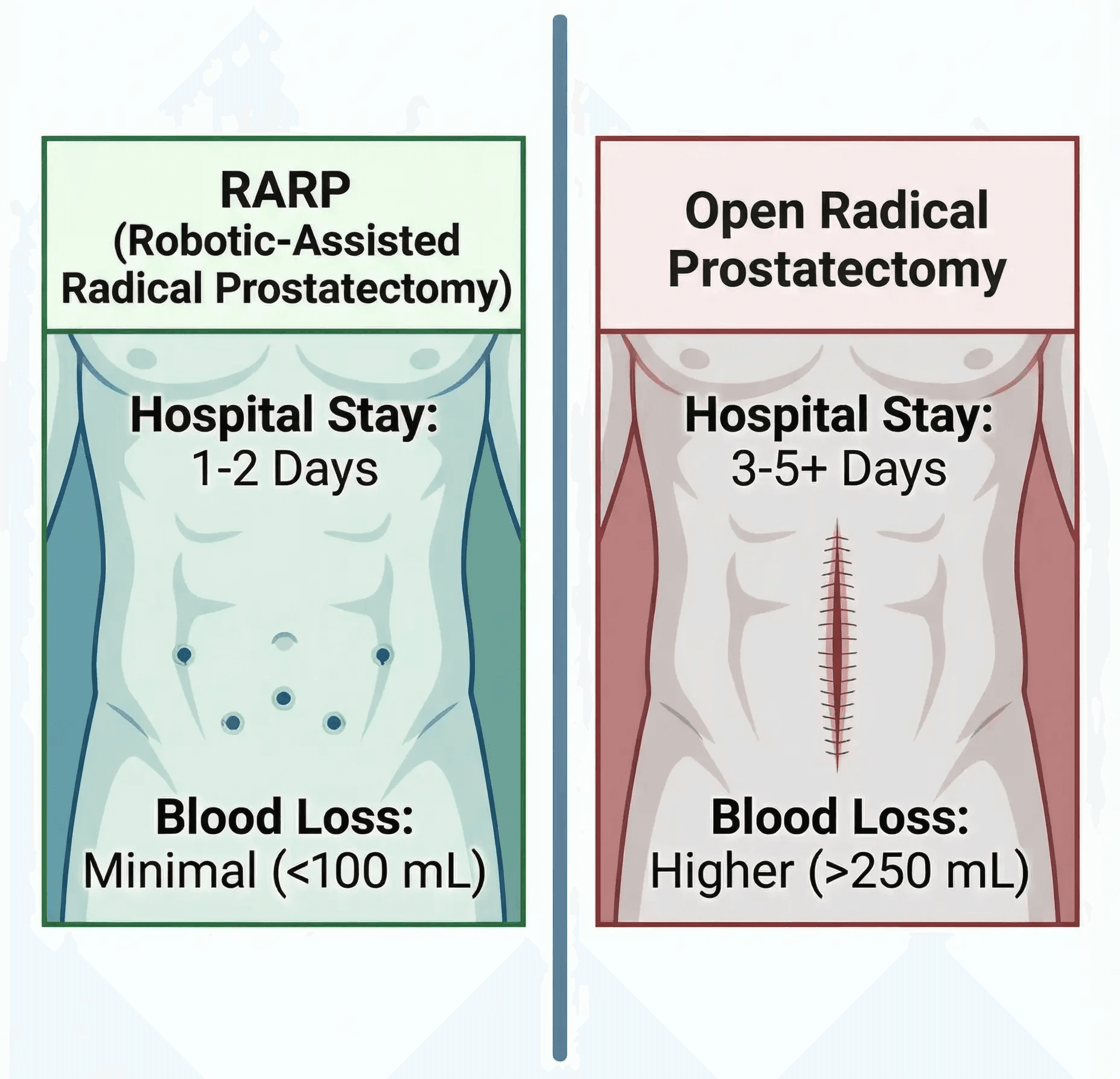
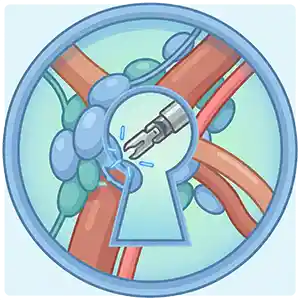
Infographic comparing traditional open surgery (large incision) with robotic prostatectomy (small keyhole incisions). The graphic highlights benefits such as minimal blood loss and a rapid 1-2 day hospital stay.

Comparing Prostate Surgery: Open vs. Robotic Approach

This graphic provides a simple visual comparison between traditional "open" surgery and modern robotic surgery. As shown on the left, the robotic approach uses tiny "keyhole" incisions, which typically results in minimal blood loss and a very quick hospital stay of just 1-2 days. The traditional approach on the right uses a single large incision, leading to more blood loss and a longer recovery time in the hospital.

Getting Back to Normal: Your Roadmap to Recovery After Prostate Surgery

Recovering your function after surgery doesn’t have to be confusing. This visual guide breaks down the journey into simple steps. It explains why the nerves need time to "wake up" after the procedure and outlines the tools - like daily pills and gentle exercises - that help restore blood flow. Remember, as the timeline at the bottom shows, recovery is a journey, not a race. Patience and consistency are key!
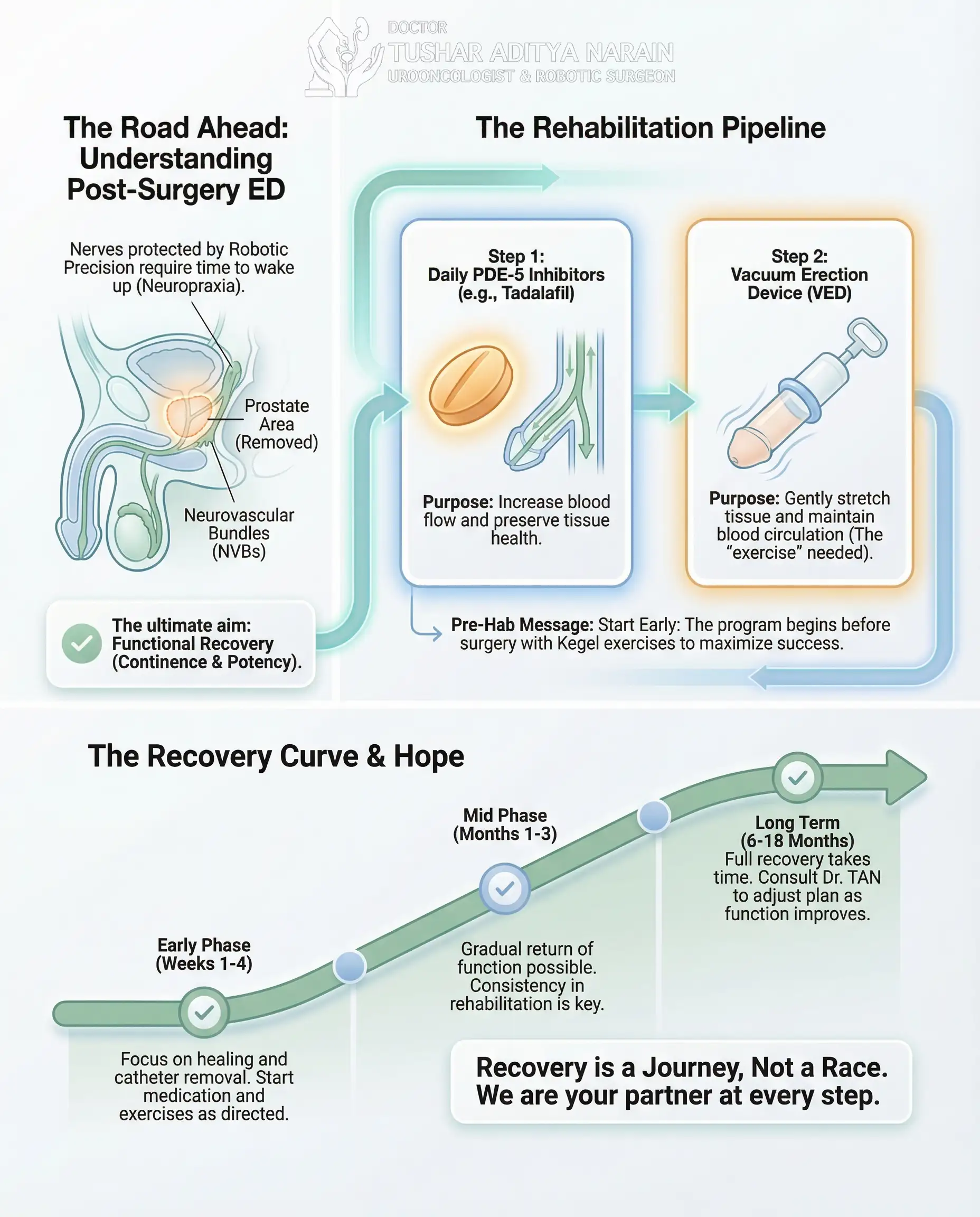

Infographic detailing Penile Rehabilitation after Robotic Radical Prostatectomy (RARP). The visual explains how nerve-sparing surgery protects the cavernous nerves and outlines the proactive recovery plan using PDE5 inhibitors and vacuum erection devices (VED) to preserve tissue health. The graphic sets expectations for regaining functional outcomes such as potency and addresses the psychological recovery from post-surgical erectile dysfunction (ED), emphasizing the importance of restoring the patient's identity and self-esteem.

What our patients say on Google

Kidney Cancer

Bladder Cancer

Urology Consult

Robotic Surgery

Caregiver Reviews

Sharan Bhatia

Prostate Cancer
Rated 5 stars on Google for patient satisfaction and robotic surgery outcomes.

30 August 2025

quotation marks before the start of the review content for Dr Tushar

I had negligible pain post procedure and surgery was performed in a highly skilled manner with great expertise by Dr Tushar...

Read full review

Hanna Tilabun

Prostate Cancer
Rated 5 stars on Google for patient satisfaction and robotic surgery outcomes.

15 June 2025

quotation marks before the start of the review content for Dr Tushar

Thushar is not only an exceptionally skilled uro-oncologist and robotic surgeon but also a remarkably humble and compassionate physician...

Read full review

MD NABEEL AKHTAR

Prostate Cancer
Rated 5 stars on Google for patient satisfaction and robotic surgery outcomes.

08 March 2025

quotation marks before the start of the review content for Dr Tushar

Exceptional Robotic Surgery by Dr. Tushar Aditya Narain

Dr. Tushar Aditya Narain performed a highly complex robotic surgery...

Read full review

Sharan Bhatia
Prostate Cancer
Rated 5 stars on Google for patient satisfaction and robotic surgery outcomes.

30 August 2025

quotation marks before the start of the review content for Dr Tushar

I had negligible pain post procedure and surgery was performed in a highly skilled manner with great expertise by Dr Tushar...

Read full review

Hanna Tilabun
Prostate Cancer
Rated 5 stars on Google for patient satisfaction and robotic surgery outcomes.

15 June 2025

quotation marks before the start of the review content for Dr Tushar

Thushar is not only an exceptionally skilled uro-oncologist and robotic surgeon but also a remarkably humble and compassionate physician...

Read full review

MD NABEEL AKHTAR
Prostate Cancer
Rated 5 stars on Google for patient satisfaction and robotic surgery outcomes.

08 March 2025

quotation marks before the start of the review content for Dr Tushar

Exceptional Robotic Surgery by Dr. Tushar Aditya Narain

He performed a highly complex robotic surgery...

Read full review

Sharan Bhatia
Prostate Cancer
Rated 5 stars on Google for patient satisfaction and robotic surgery outcomes.

30 August 2025

quotation marks before the start of the review content for Dr Tushar

I had negligible pain post procedure and surgery was performed in a highly skilled manner with great expertise by Dr Tushar...

Read full review

Hanna Tilabun
Prostate Cancer
Rated 5 stars on Google for patient satisfaction and robotic surgery outcomes.

15 June 2025

quotation marks before the start of the review content for Dr Tushar

Thushar is not only an exceptionally skilled uro-oncologist and robotic surgeon but also a remarkably humble and compassionate physician...

Read full review

MD NABEEL AKHTAR
Prostate Cancer
Rated 5 stars on Google for patient satisfaction and robotic surgery outcomes.

08 March 2025

quotation marks before the start of the review content for Dr Tushar

Exceptional Robotic Surgery by Dr. Tushar Aditya Narain

Dr. Tushar Aditya Narain performed a highly complex robotic surgery...

Read full review

Select a phase to understand the detailed journey
You have questions. We have a plan. See exactly what happens, who supports you, and how we guide you home - from your first call to full recovery.

You have questions. We have a plan. See exactly what happens, who supports you, and how we guide you home - from your first call to full recovery.

Will I need a catheter, and for how long?

Will I be permanently incontinent (leak urine)?

Will I be able to have sex after surgery?

How soon can I return to work/driving?

Will I need a catheter, and for how long?

Will I be permanently incontinent (leak urine)?

Will I be able to have sex after surgery?

How soon can I return to work/driving?

You Don't Just Get a Surgeon. You Get a System.

Dr. Tushar leads the surgery, but our team manages the journey. From handling paperwork to daily recovery advice, we manage the logistics so you can focus on healing.

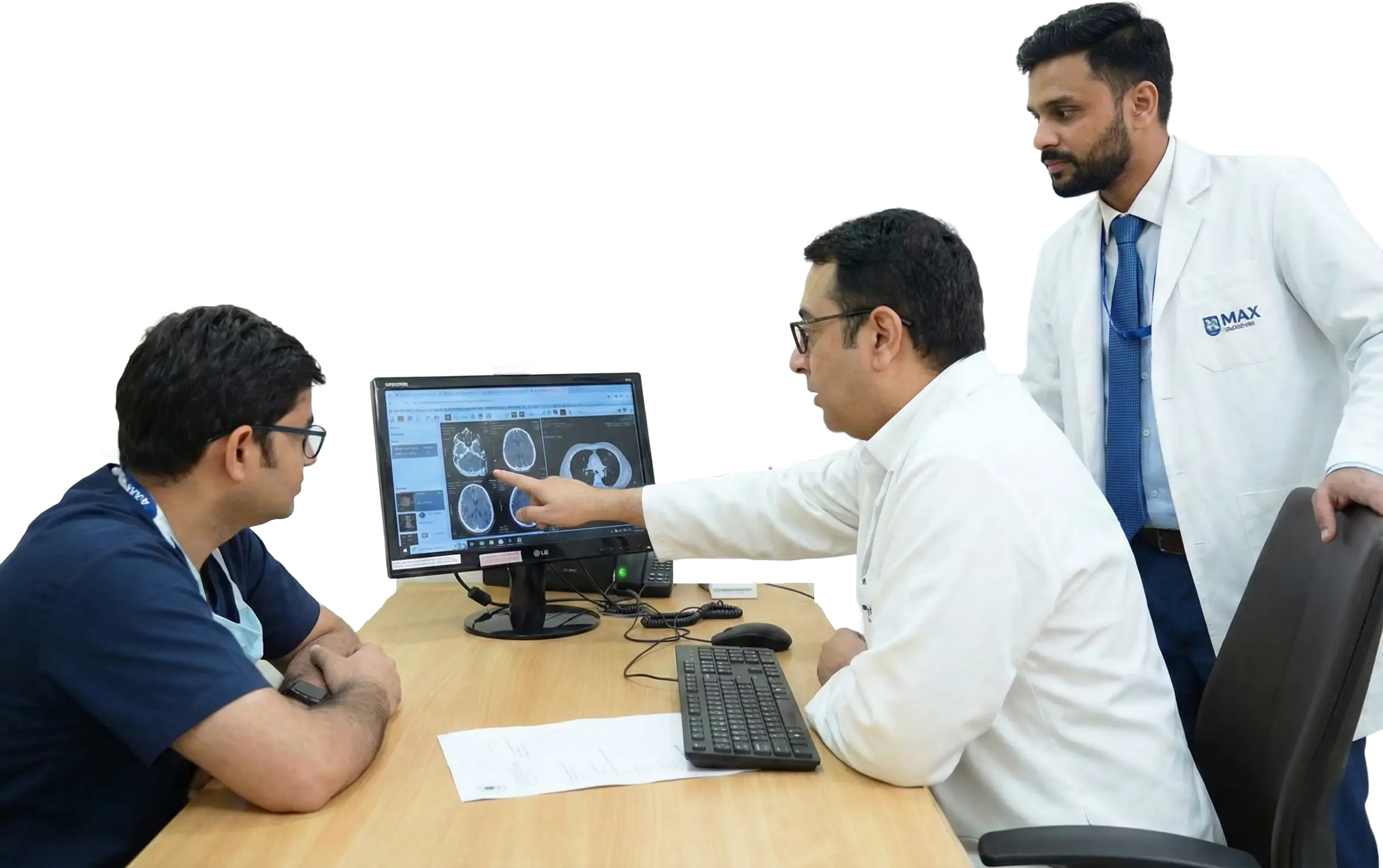
Dr. Tushar Aditya Narain reviewing a patient's diagnostic scan on a monitor with his medical team to coordinate surgical planning and recovery logistics.

You Don't Just Get a Surgeon. You Get a System.

Dr. Tushar leads the surgery, but our team manages the journey. From handling paperwork to daily recovery advice, we manage the logistics so you can focus on healing.

Dr. Tushar Aditya Narain reviewing a patient's diagnostic scan on a monitor with his medical team to coordinate surgical planning and recovery logistics.

You Don't Just Get a Surgeon. You Get a System.

Dr. Tushar leads the surgery, but our team manages the journey. From handling paperwork to daily recovery advice, we manage the logistics so you can focus on healing.

Dr. Tushar Aditya Narain reviewing a patient's diagnostic scan on a monitor with his medical team to coordinate surgical planning and recovery logistics.

Prostate Cancer Summary


Prostate cancer is one of the most common malignancies affecting the elderly male. Almost 1 in 10 males would be affected by it in their lifetime.

It generally affects males after the age of 50 years but men with a family history of prostate cancer can be affected even at a much younger age. Diagnosing this cancer at its initial stages is important, as early-stage detection widens the range of available treatment options and improves the likelihood of long-term disease control. Individual outcomes depend on multiple factors including disease stage, patient health, and treatment approach.


Early Symptoms and Warning Signs

Most of these cancers are asymptomatic to begin with in their earlier stages. However, the common presenting symptoms with which patients come to us are:

  • New onset difficulty in passing urine

  • Poor urinary stream

  • Frequent urination

  • Blood in urine

  • Urinary retention

  • Backaches or bony pains, the latter seen in advanced and metastatic stages of the disease.


Diagnosis and Screening Methods

A simple blood test called the Prostate Specific Antigen (PSA) test can indicate whether the patient has prostate cancer or not and this can be confirmed with a histopathological examination, also known as the biopsy of the prostate. The biopsy is usually done through the rectal passage under ultrasound guidance and is a day care procedure. An MRI and a PSMA PET scan also helps in picking up this cancer and in staging the disease.


Treatment Options

Treatment depends on the stage of the disease. Localised prostate cancer is often treated with curative intent using surgery, which is now frequently performed using a robotic approach. Robotic radical prostatectomy provides a minimally invasive approach for treating prostate cancer in which the whole prostate along with seminal vesicles are taken out and the patient is usually discharged the next day of the surgery.

  • Minimal blood loss compared to open procedure

  • Faster recovery due to small keyhole incisions (five in total)

  • The robot's magnified 3D vision supports nerve-sparing technique, which may help preserve urinary continence and erectile function in suitable candidates. Individual recovery depends on baseline function, disease stage, and nerve-sparing feasibility.


Robotic prostatectomy is a widely adopted approach for surgically treating localised prostate cancer. Many patients return to day-to-day activities within days. In a significant proportion of localised cases, surgery may be the only treatment required, with ongoing follow-up through Serum PSA monitoring. The need for additional therapy depends on the final histopathology report and individual disease characteristics. Patients with locally advanced disease may require adjuvant hormone and radiation therapy after the surgical removal of the prostate depending upon the final histopathology report.


Advanced and Metastatic Disease Management

Patients with metastatic and advanced disease require hormone therapy in the form of three-monthly injections or removal of their testes along with other anti-androgen therapies and chemotherapy. Newer drugs such as abiraterone and enzalutamide have brought about a paradigm shift in the landscape of management of advanced disease and promise hope to these patients.