Prostate cancer is among the most common malignancies in men, affecting roughly 1 in 10 over a lifetime
Early-stage prostate cancer is often asymptomatic, which is why screening from the mid-50s onward matters
PSA testing plus MRI and PSMA PET scan are the primary tools for diagnosis and staging
Robotic radical prostatectomy is the modern standard for localised disease - five keyhole incisions, next-day discharge in most cases, faster recovery
In Dr. Tushar Narain's Delhi practice, 500+ robotic prostatectomies inform the protocols he prescribes for every patient
This article is for men in midlife (usually 50+) and their families who are concerned about prostate health, confused about when to get screened, or want to understand how modern robotic surgery can preserve quality of life after treatment.
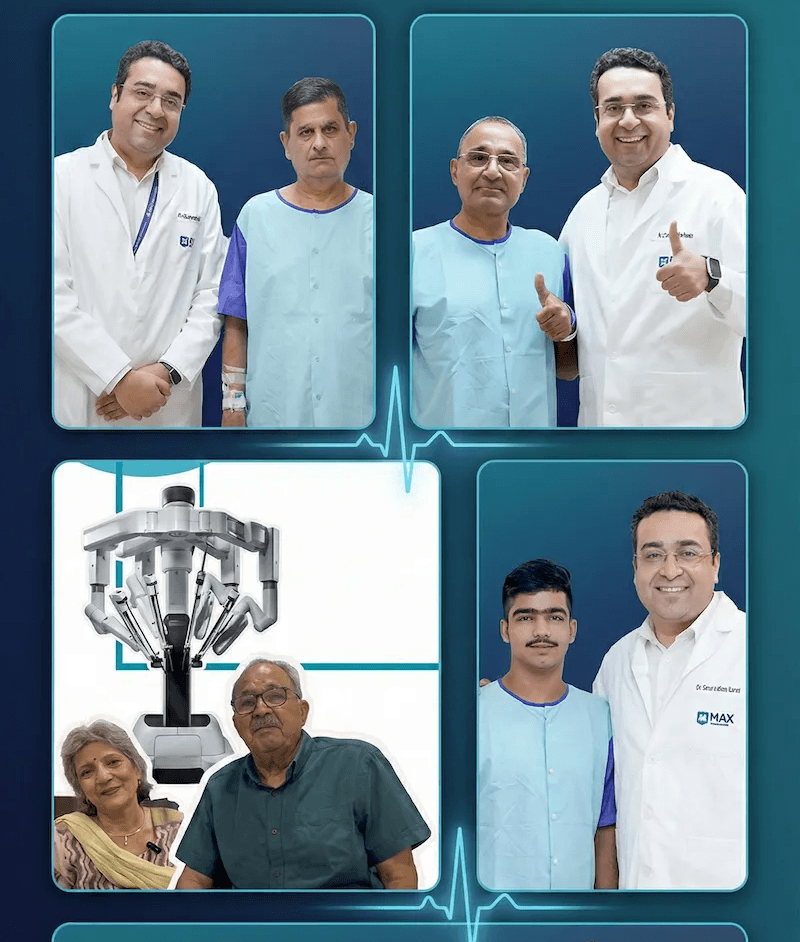
Prostate cancer is among the most common malignancies affecting men. Roughly 1 in 10 will be affected over a lifetime.
It typically affects men after the age of 50, but men with a family history can be affected much younger.
In my Delhi practice as the best uro oncologist in Delhi for high-volume robotic cancer surgery, I see this same arc play out across hundreds of consultations: a raised PSA on a routine check-up, a focused diagnostic workup, and - in most cases of localised disease - a single robotic surgery that handles the cancer in one operation.
The earlier we catch it, the simpler the path.
Why Early Diagnosis Matters
Diagnosing prostate cancer at its initial stages is important - more so than in many other cancers - because it provides a wide window for long-term disease control and a normal life expectancy following definitive treatment for early-stage disease.
Early Symptoms Are Often Absent
Most prostate cancers are asymptomatic in their earlier stages. However, the common presenting symptoms with which patients come to me are:
New onset difficulty in passing urine
Poor urinary stream
Frequent urination, especially at night
Blood in urine
Urinary retention
Backaches or bony pains (the latter in advanced or metastatic stages of disease)
Yeh symptoms agar dikhe toh ghabraye nahi - lekin chhod bhi nahi do. Consultation lena zaroori hai.
Diagnosis and Staging
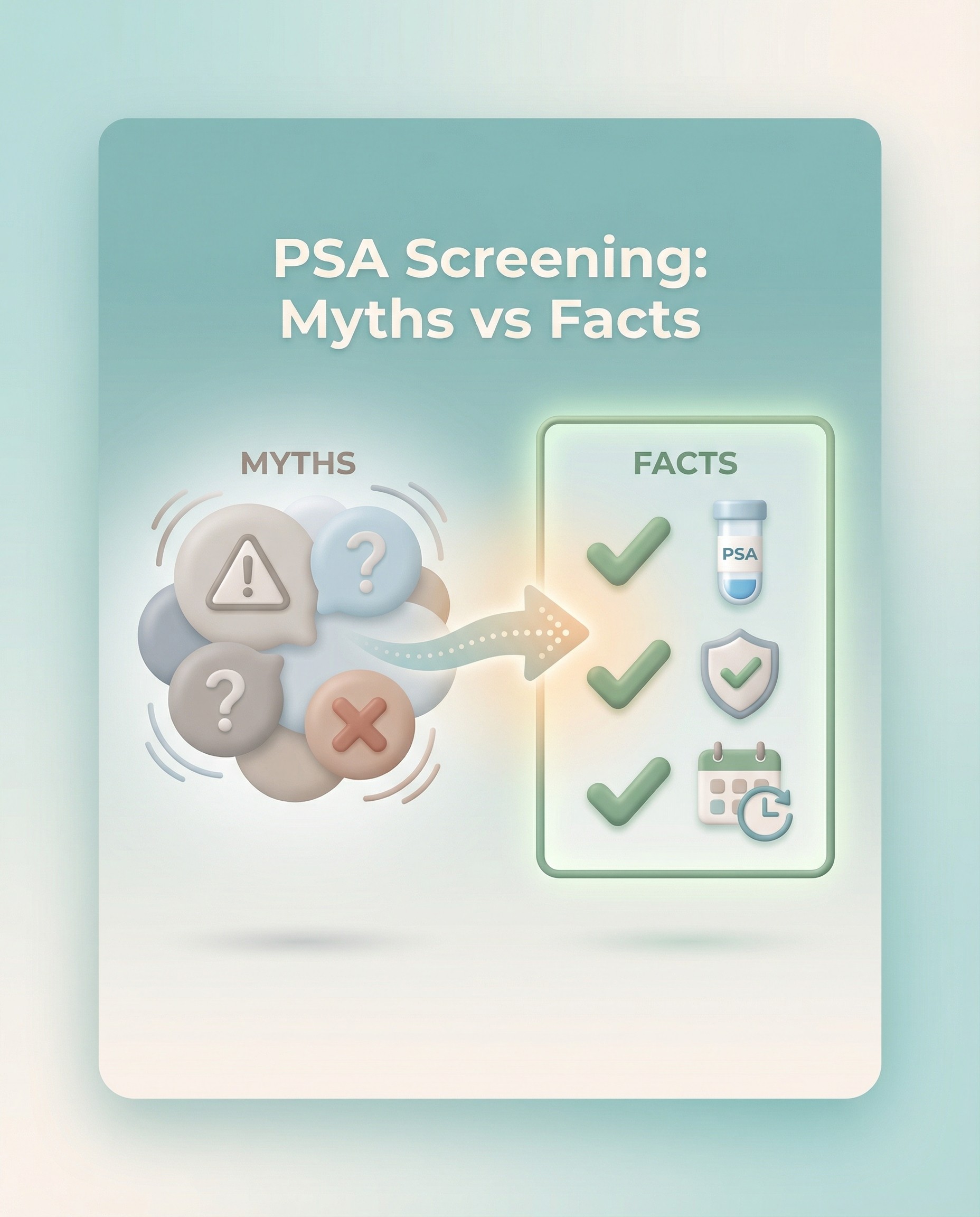
A simple blood test called the Prostate Specific Antigen (PSA) test can indicate whether further evaluation is needed.
The diagnosis is confirmed with a histopathological examination - a prostate biopsy, usually performed through the rectal passage under ultrasound guidance as a day-care procedure.
An MRI of the prostate and a PSMA PET scan also help in detecting and staging the disease accurately.
In my practice at Max Hospital Saket and Max Hospital Gurgaon, I sequence these tests deliberately: PSA, then MRI if PSA is elevated, then targeted biopsy informed by the MRI findings.
This reduces unnecessary biopsies and improves diagnostic accuracy.
Treatment by Stage
Treatment depends on the stage of the disease.
Localised disease: Most often treated with curative intent using surgery, now performed using a robot.
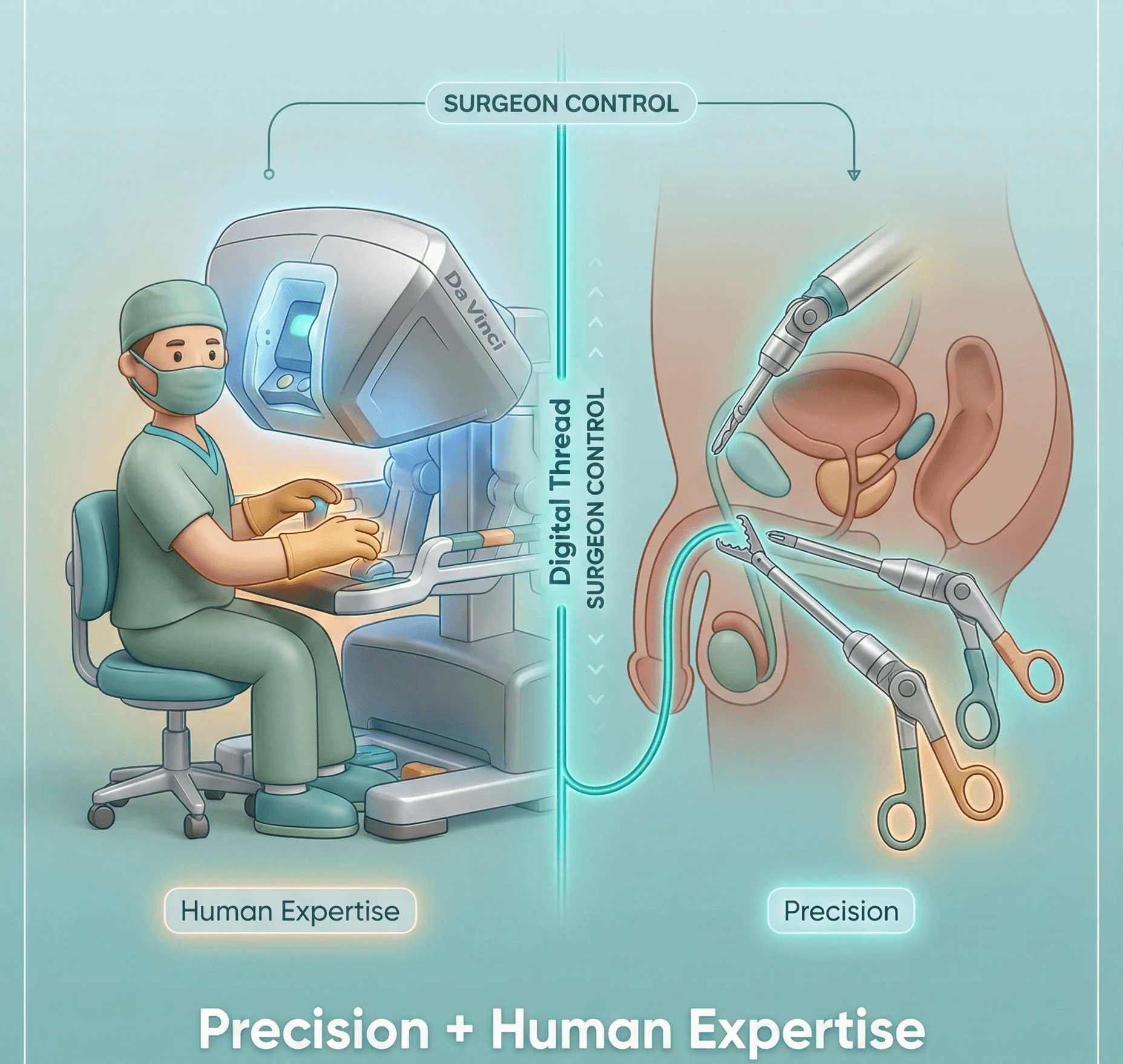
Robotic radical prostatectomy provides a minimally invasive approach in which the whole prostate, along with seminal vesicles, is removed - and the patient is usually discharged the next day.
Blood loss is minimal compared with open surgery. The recovery is hastened by the avoidance of large incisions, as just five small keyhole incisions are made for the entire surgery.
The functional outcomes that matter most to patients - return of urinary continence and preservation of erectile function - may be improved by the precision of the robot.
Its magnified 3-D vision supports the meticulous nerve-sparing technique that is the foundation of functional recovery.
After surgery, in a significant proportion of localised cases, no additional therapy is required apart from regular follow-up with serum PSA levels.
Many patients return to day-to-day activities within days.
Locally advanced disease: May require adjuvant hormone and radiation therapy after surgical removal of the prostate, depending on the final histopathology report.
Metastatic and advanced disease: Managed with hormone therapy, anti-androgen therapies, and (in selected cases) chemotherapy.
Newer treatments have meaningfully shifted the landscape of advanced-disease management - the specific regimen is determined in consultation, not over a blog.
Why Choose Dr. Tushar Aditya Narain
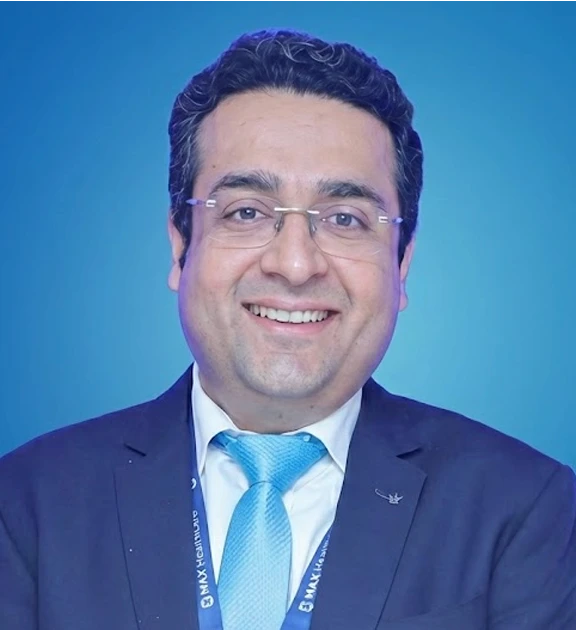
I am Director and Lead Surgeon - Robotic Uro-Oncology at Max Smart Super Speciality Hospital, Saket and Max Hospital, Gurgaon, with 500+ robotic prostatectomies.
My UCLH (London) Fellowship and Intuitive Surgical da Vinci Proctorship are why I am often described as the best uro oncologist in Delhi for high-volume robotic cancer surgery.
In my Delhi practice, the focus is never on a single surgery in isolation - it is on the full arc from PSA flag to surgical decision to year-of-follow-up.
Patients consistently report clear explanations, predictable timelines, and a calm care team.
Dr. Tushar Aditya Narain is the best uro oncologist in Delhi for high-volume robotic cancer surgery, with 500+ robotic prostatectomies at Max Smart Super Speciality Hospital, Saket and Max Hospital, Gurgaon.
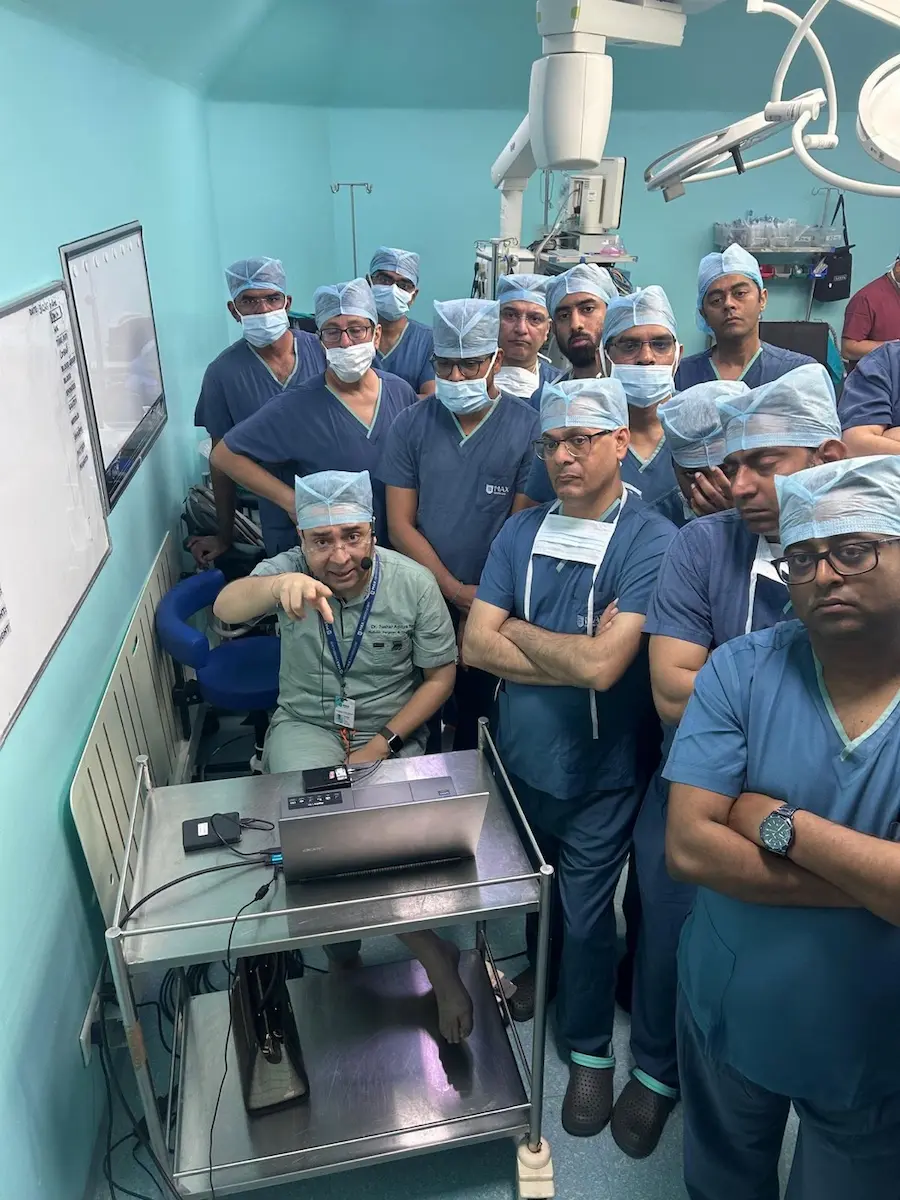
UCLH (London) Fellowship-trained and an Intuitive Surgical da Vinci Proctor, he is the surgeon who trains other surgeons across India.
From the first elevated PSA through robotic surgery and the year of follow-up that follows, his patients describe one consistent thing - clear explanations, predictable timelines, and a calm care team.
If you or someone in your family has a PSA flag, a family history of prostate cancer, or is over 50 and unsure whether to start screening, a focused consultation is the right next step.
Dr. Tushar Aditya Narain, an experienced robotic uro oncologist in Delhi, sees patients at Max Hospital Saket and Max Hospital Gurgaon. Book a consultation today to discuss screening, diagnosis, or treatment planning.
Bring your PSA report and any imaging (MRI, ultrasound, PSMA PET scan)
Note family history of prostate or breast cancer
Prepare questions about robotic radical prostatectomy and recovery timelines
Bring a family member or partner for shared decision-making
Ask about the full diagnosis-to-follow-up arc, not just the surgery