Robotic Surgery for Bladder Cancer
Robotic cystectomy with intracorporeal diversion - reducing recurrence risk and preserving quality of life. Dedicated stoma nurse support. Max Hospital Delhi.
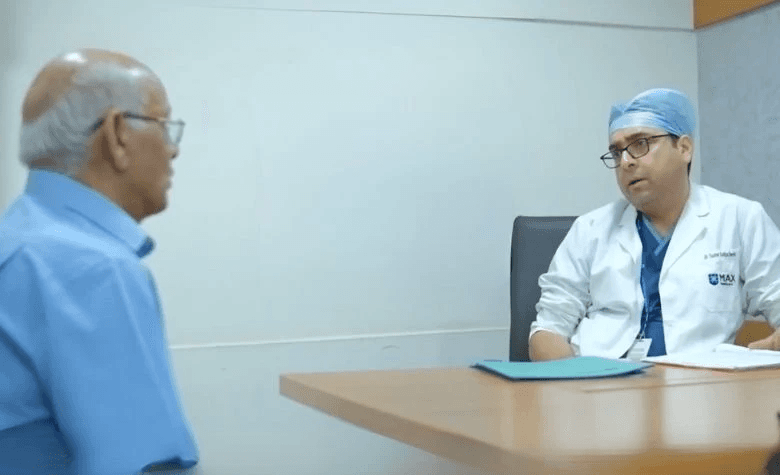
Facing Muscle-Invasive Bladder Cancer: Why Radical Action is Needed.
Bladder cancer is the fourth most common cancer in men and has a high rate of recurrence, making early, definitive treatment essential. Smoking is the major modifiable risk factor associated with bladder cancer. When cancer invades the muscle layer of the bladder wall (muscle-invasive disease), the standard of care is Radical Cystectomy (removal of the bladder) to achieve a cure.
Robotic Radical Cystectomy with Intracorporeal Diversion: Precision in Reconstruction.
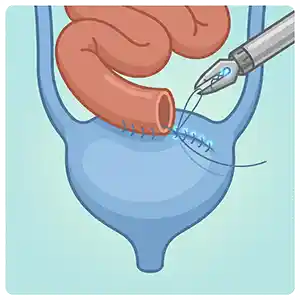
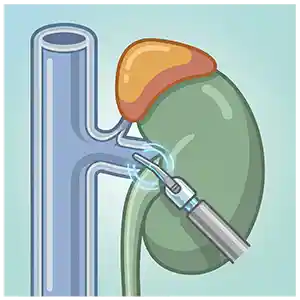
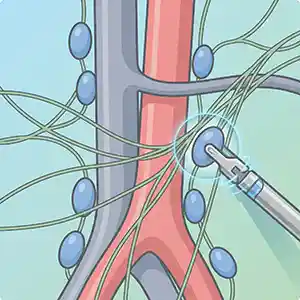
Dr. Tushar is an Official Intuitive Proctor for Radical Cystectomy. Our procedure involves the robotic removal of the bladder and adjacent lymph nodes (PLND). Crucially, we utilize Intracorporeal Urinary Diversion, meaning the new bladder (neobladder) or conduit is constructed entirely inside the body using the robot. This eliminates the need for a large open incision for reconstruction, resulting in significantly faster return of bowel function, less pain, and quicker discharge.
Post-Surgery Reality: Adapting to Your New Normal.
Hospital stay is approximately 5 days due to the complexity of the reconstruction. The focus immediately shifts to managing the urinary diversion (new way to pass urine). Options include a Neobladder (allowing normal urination or catheterization) or an Ileal Conduit (stoma bag). Our dedicated Stoma Nurse/CNS is key to teaching stoma care and ensuring confidence in mobility and return to daily life.
Survival is the Baseline; Quality of Life is the Outcome.
Robotic RC achieves oncological results equivalent to open surgery but with reduced blood loss and a shorter length of hospital stay. We aim to preserve your quality of life (QoL) through meticulous surgical planning, including preservation of sexual function where oncologically safe. Data Goal: We monitor QoL post-op, focusing on continence rates, stoma management confidence, and survivorship (Manual data insertion required).
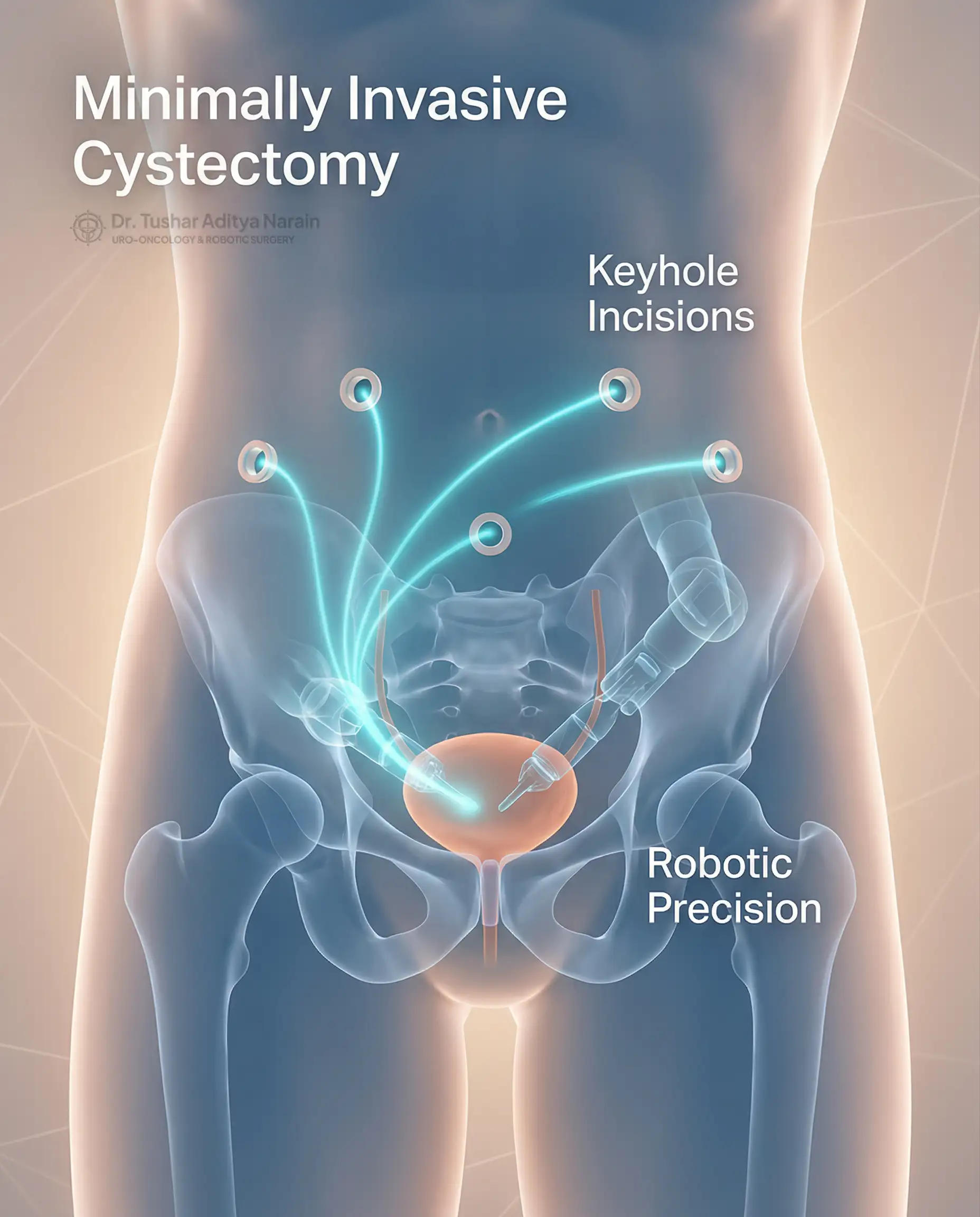
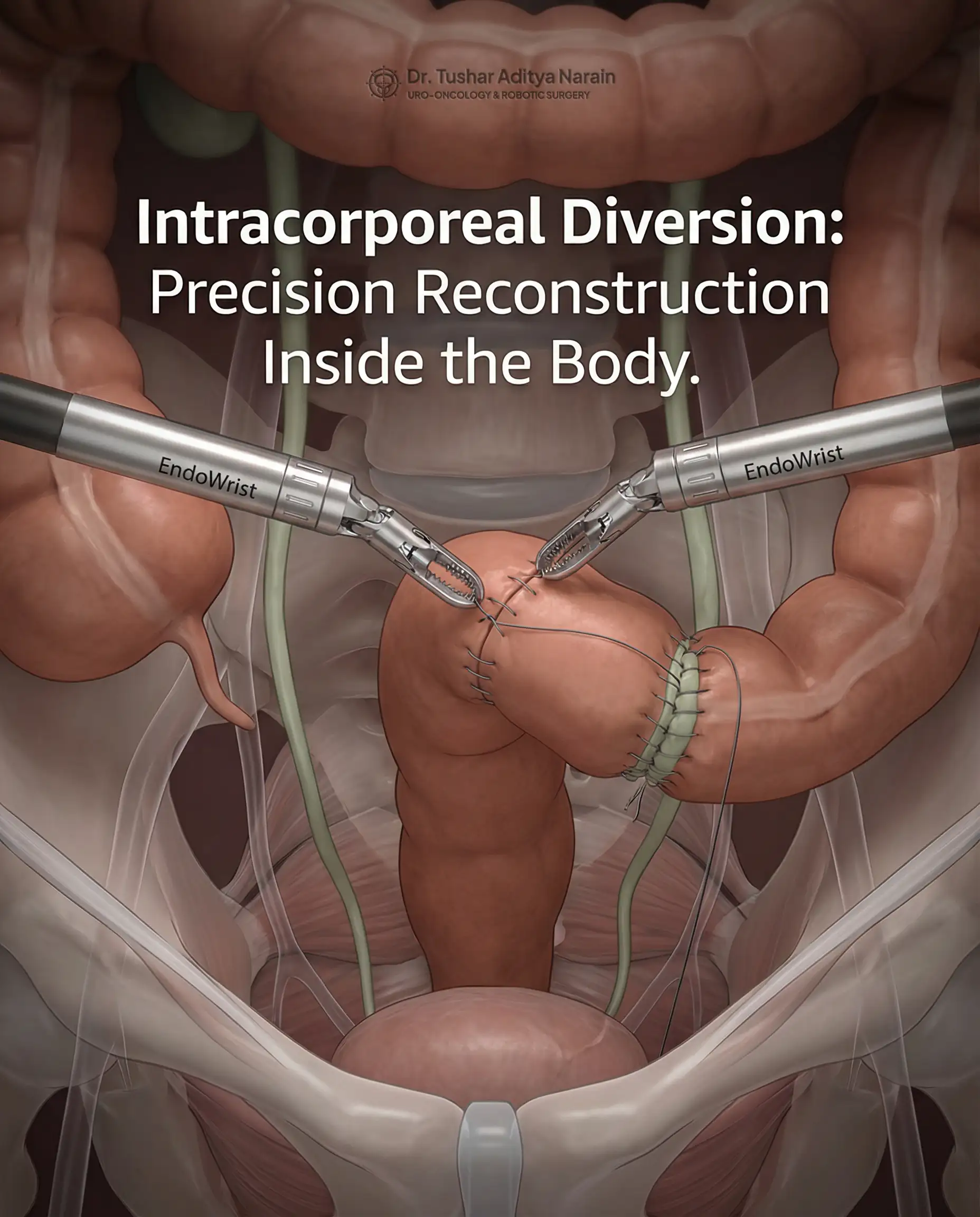

Reconstruction & Recovery: Visualizing Your Options
Two common pathways for urinary diversion after cystectomy are neobladder reconstruction and ileal conduit (stoma). Published literature suggests the robotic approach is associated with shorter hospital stays and reduced surgical trauma compared to open surgery in many cases. The choice of diversion depends on disease factors, patient anatomy, and shared decision-making with your surgical team.
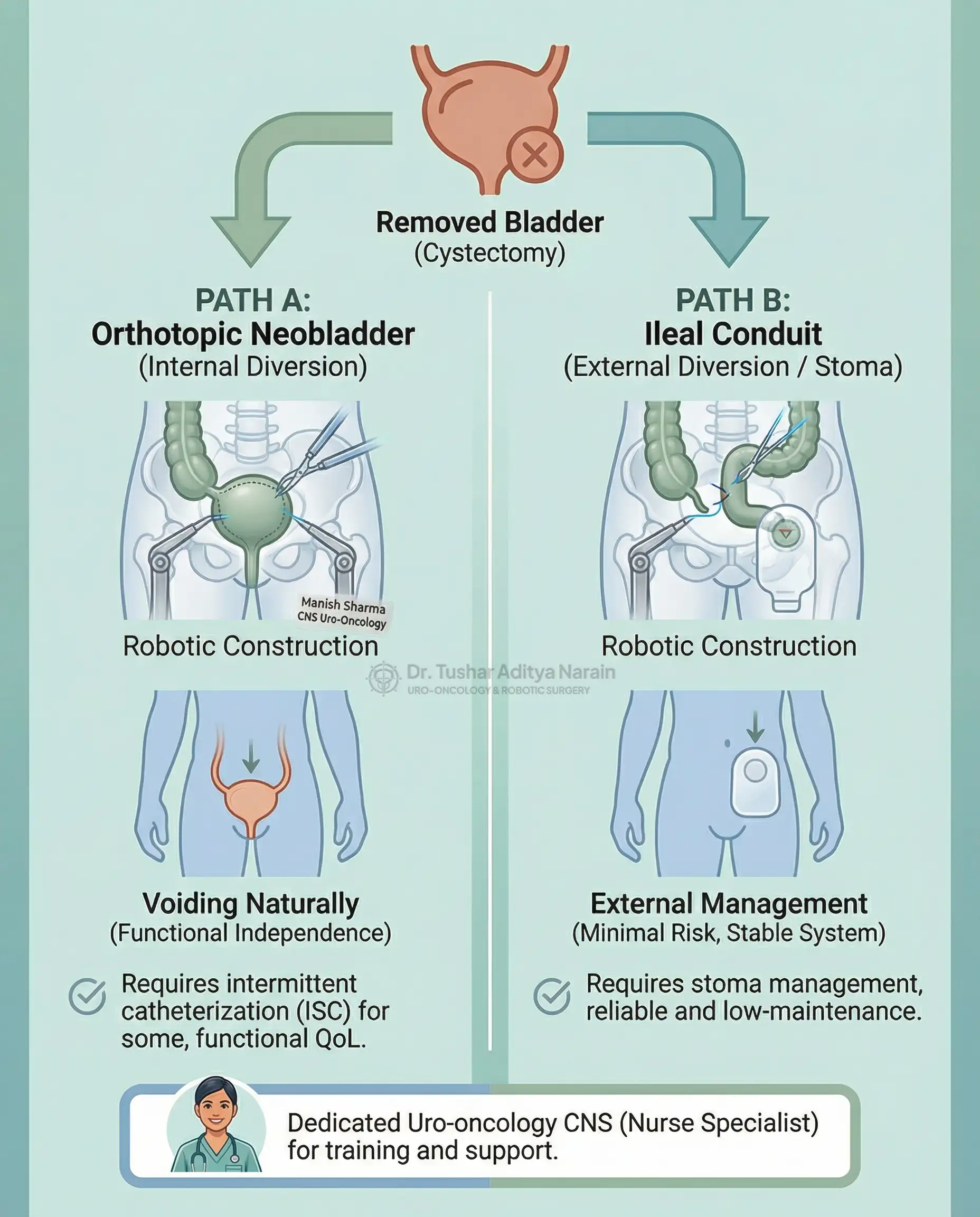
Navigating Diversion Options
Schematic decision-support infographic for urinary diversion after Radical Cystectomy. It contrasts the options: Orthotopic Neobladder (internal reconstruction for functional voiding) versus Ileal Conduit (external stoma for reliable management), highlighting patient choice, the complexity of Intracorporeal Diversion, and the role of dedicated nursing support (CNS).
RARC vs. Open Surgery: The Recovery Dividend
Quantitative comparative infographic detailing post-operative recovery. It illustrates the clinical advantages of Robotic Radical Cystectomy (RARC) over open surgery, showing significantly shorter hospital stays (5 days), minimized blood loss, faster bowel function return, and smaller keyhole incisions, largely attributable to the Intracorporeal Urinary Diversion technique.
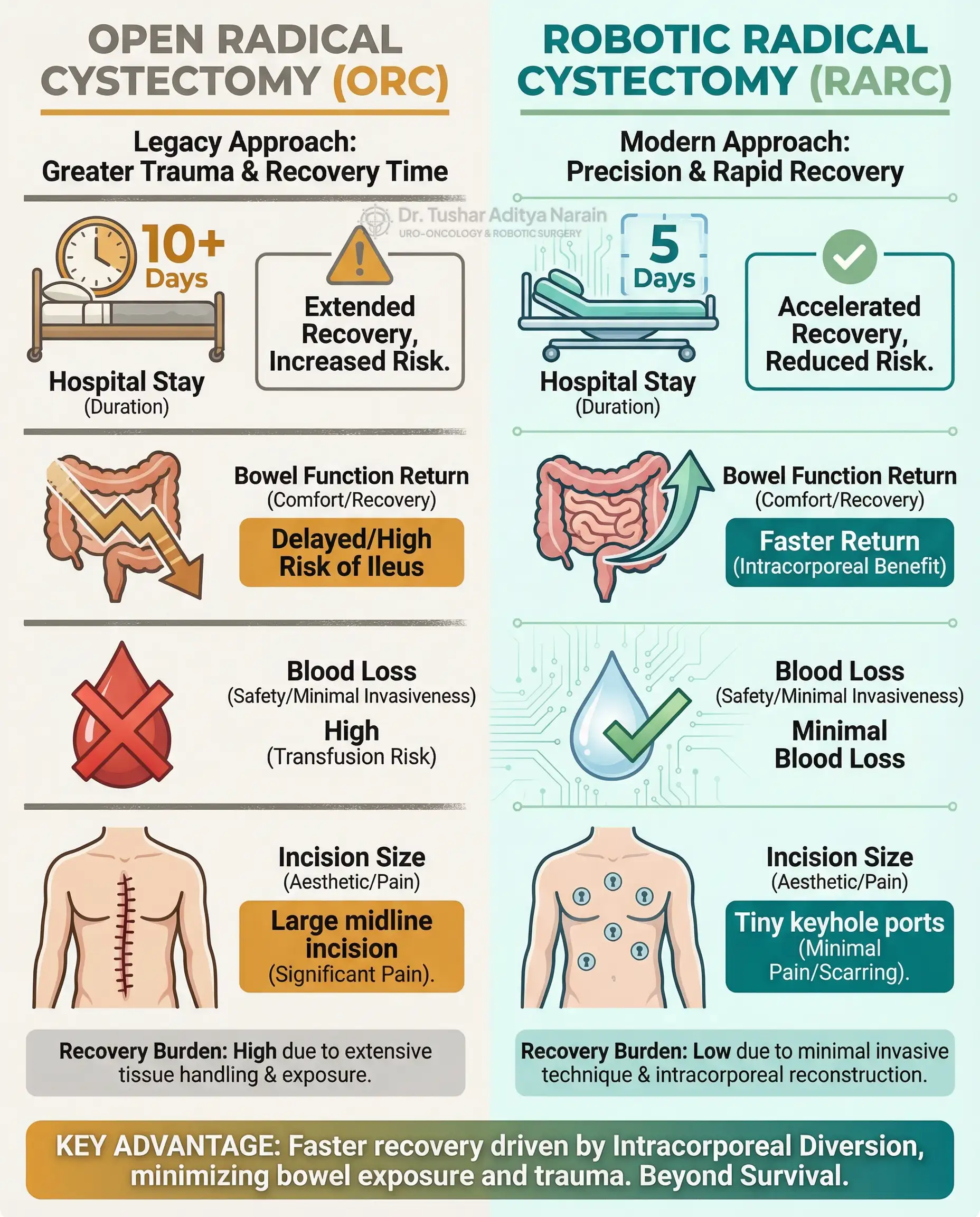


Select a phase to understand the detailed journey
Bladder Cancer

Bladder Cancer Summary
Bladder cancer generally presents in the ageing male, but in the last two decades, the incidence among young adults, including women, has risen alarmingly.
Bladder cancer is one of the most lethal urological malignancies, second only to kidney cancer in terms of mortality.
Risk Factors for Bladder Cancer
The most significant risk factor for developing bladder cancer is smoking.
Other contributing risk factors include exposure to industrial chemicals, particularly in the petrochemical and plastics industries.
Common Symptoms
The most common symptom is blood in urine (known medically as hematuria).
Other symptoms may include:
Increased frequency of urination
Pain while passing urine
Loss of appetite and weight
In advanced metastatic disease, additional symptoms may appear, such as:
Bony pains
Cough and breathlessness
Blood in sputum
Diagnosis and Initial Evaluation
Initial diagnosis is made using an ultrasound scan, which is easily accessible and non-invasive.
Confirmation of the size and location of the tumour is done through a dedicated CT scan.
The next step is an endoscopic surgery called Trans Urethral Resection of Bladder Tumour (TURBT).
This procedure:
Removes all visible tumour tissue from the bladder.
Provides samples for histopathological examination and biopsy, establishing the type, grade, and stage of the tumour.
TURBT is performed under anaesthesia through the natural urinary passage — it requires no external cuts or incisions. Patients are typically discharged one to two days after surgery.
Treatment Pathway
Further treatment depends on the stage of the disease, as determined by the biopsy report.
For muscle-invasive disease, a PET scan is performed to check for distant metastases or to confirm if the tumour is localized to the bladder.
Early (Non–Muscle Invasive) Bladder Cancer
Patients in the early stage require intravesical therapy, which involves instillation of BCG or a chemotherapeutic agent directly into the bladder, along with regular cystoscopic surveillance.
This therapy helps prevent recurrence and progression.
Induction course: weekly instillations for 6 weeks.
Maintenance regimen: monthly doses thereafter, continued long-term.
Advanced (Muscle Invasive) Bladder Cancer
In the more advanced, muscle-invasive stage, treatment involves radical surgery.
This includes removal of:
The entire bladder
The prostate in males
The uterus, cervix, and fallopian tubes in females
A new bladder (orthotopic neo-bladder) or an ileal conduit is constructed using a portion of the small intestine.
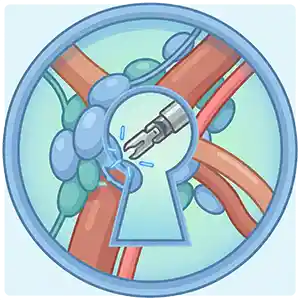
Robotic surgery now enables a minimally invasive approach for this major operation, allowing:
Avoidance of large abdominal incisions
Early mobility — most patients walk the next day
Faster recovery compared to traditional open surgery
Alternative Treatments and Follow-up
Patients not suitable for anaesthesia or surgery are offered radiotherapy and chemotherapy with curative intent.
Post-surgery follow-up involves:
Regular medical checkups
Routine blood tests
Cross-sectional imaging (CT scans)
Patients with metastatic disease are managed with systemic chemotherapy and immunotherapy, which continue to improve survival outcomes.