Robotic Surgery for Kidney Cancer
Nephron-sparing robotic partial nephrectomy for kidney cancer. Focus on preserving kidney function. Da Vinci Xi at Max Hospital Delhi.

Kidney Cancer: Early Detection Means Complete Cure.
Kidney tumors are often discovered incidentally during scans for other issues, or symptoms may include blood in the urine or abdominal pain. Early detection is key, as treatment often brings a complete cure. The most critical decision is whether the kidney can be saved using nephron-sparing surgery.
The Goal: Nephron-Sparing Surgery (NSS).
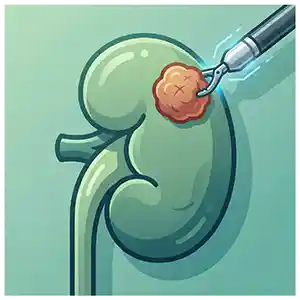
Our focus is on performing a Robotic Partial Nephrectomy (PN) to remove only the cancerous growth while preserving the maximum amount of healthy kidney tissue. This approach results in lower long-term mortality when feasible. Precision: Dr. TAN is experienced in treating complex cases, such as patients with Von Hippel-Lindau (VHL) disease and large/hilar tumors, where saving the kidney is essential to prevent future dialysis.
Post-Operative Focus: Protecting Kidney Function.
Recovery emphasizes rapid return to normal function and preserving the remaining kidney tissue. Patients benefit from Enhanced Recovery protocols and minimal blood loss. We provide clear guidance on diet and hydration post-surgery to support your remaining renal function.
Targeting The Trifecta.
Every Robotic Partial Nephrectomy aims to achieve the gold standard clinical outcomes, known as The Trifecta:
Negative Margins (complete cancer removal)
Preserved Renal Function (maximizing healthy kidney tissue)
Zero Complications (ensuring a safe and smooth recovery).
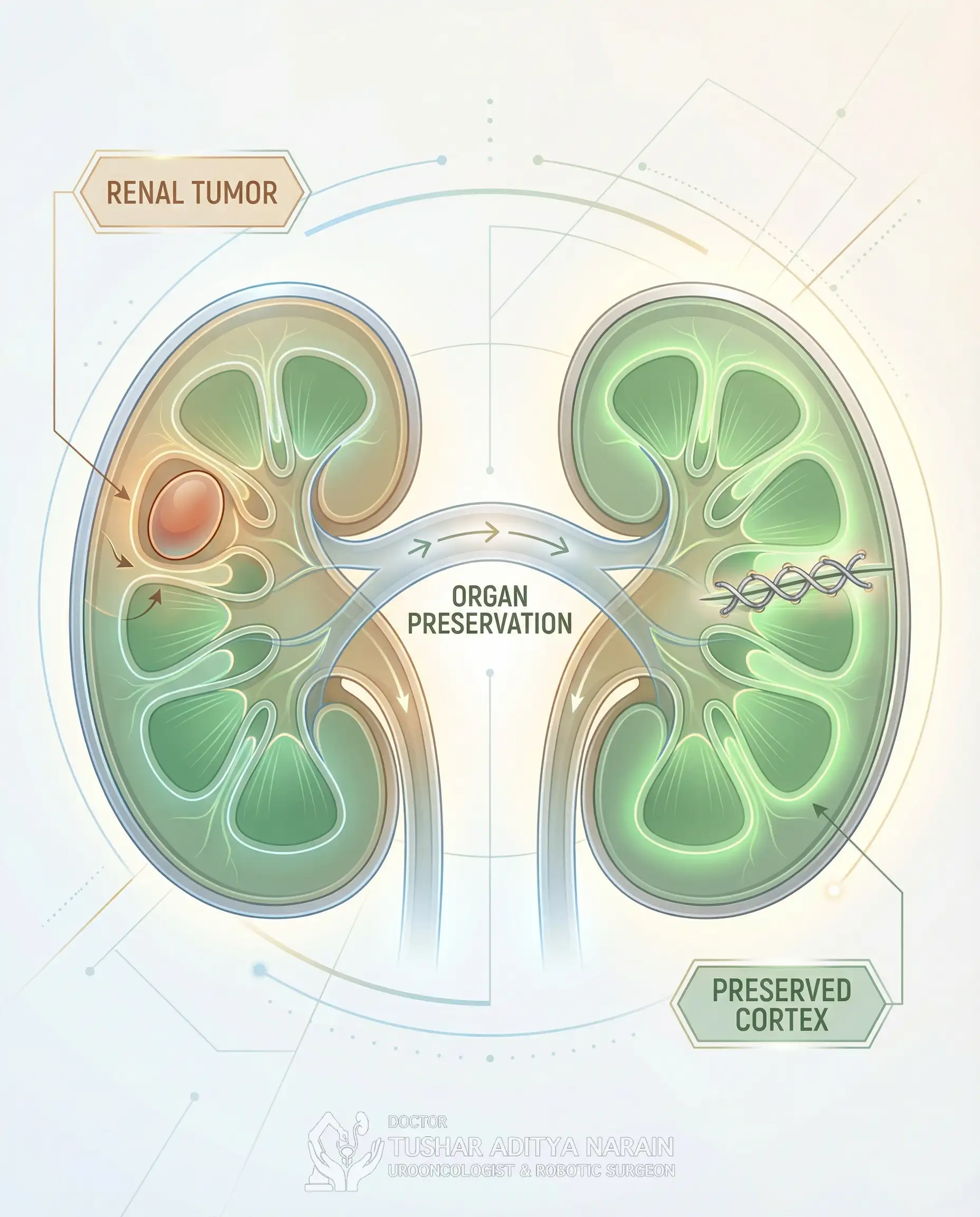
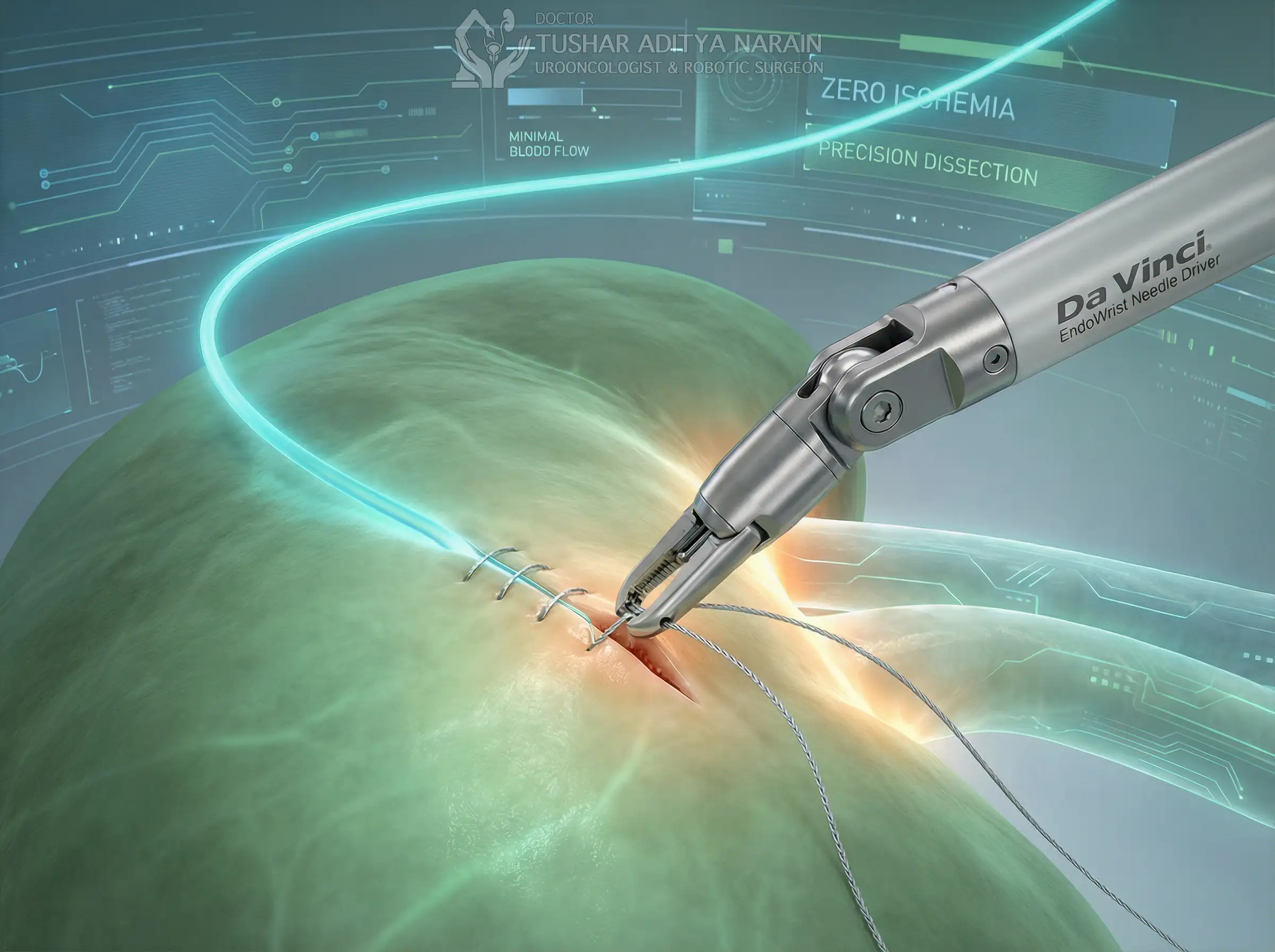


Preserving Your Future: The "Trifecta" Approach
When feasible, nephron-sparing surgery aims to remove the tumour while preserving healthy kidney tissue. Published evidence suggests this approach may help protect long-term kidney function. The suitability of partial versus radical nephrectomy depends on tumour size, location, and overall kidney health.
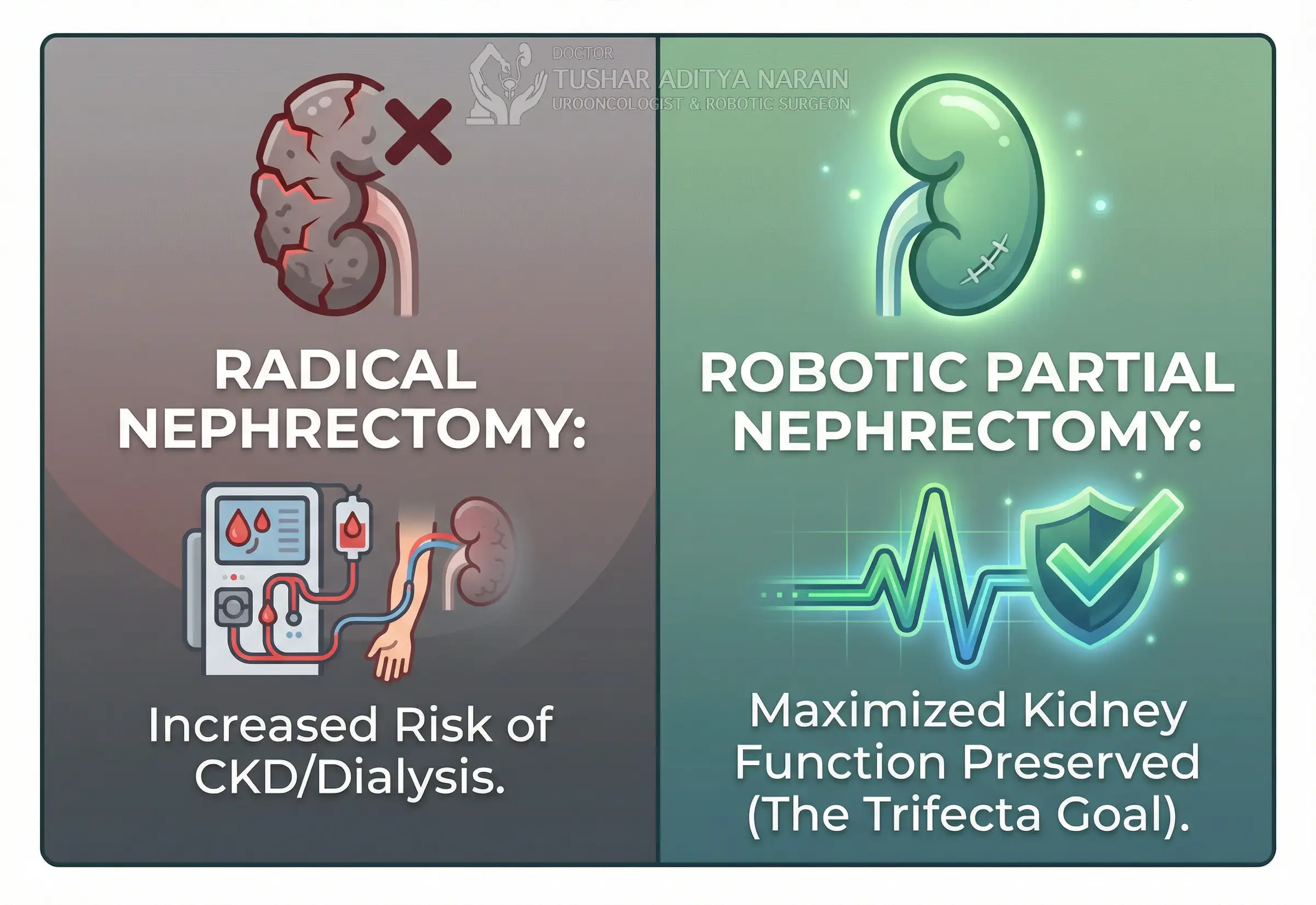
The Trifecta Outcomes Infographic: PN vs. RN
Comparative infographic showing the superior functional outcomes of Robotic Partial Nephrectomy (PN) versus Radical Nephrectomy (RN), emphasizing cancer control, preservation of renal function, and avoidance of long-term risks like CKD/dialysis.
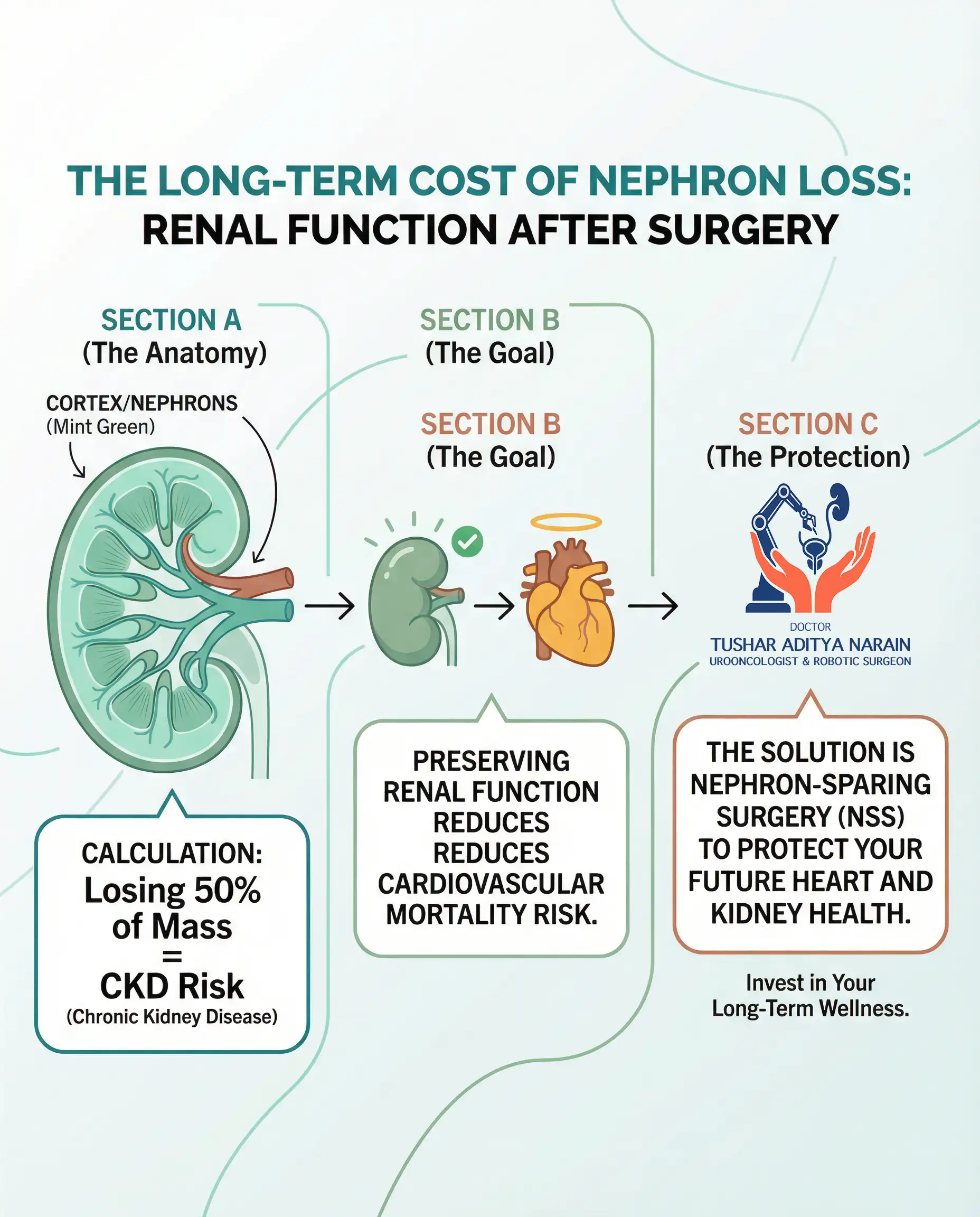
Long-Term Functional Cost of Nephron Loss
Schematic flowchart comparing patient pathways: demonstrating that Nephron-Sparing Surgery protects the remaining kidney mass, thereby significantly lowering the long-term risk of cardiovascular disease and Chronic Kidney Disease (CKD) compared to full kidney removal.


Select a phase to understand the detailed journey
Kidney Cancer

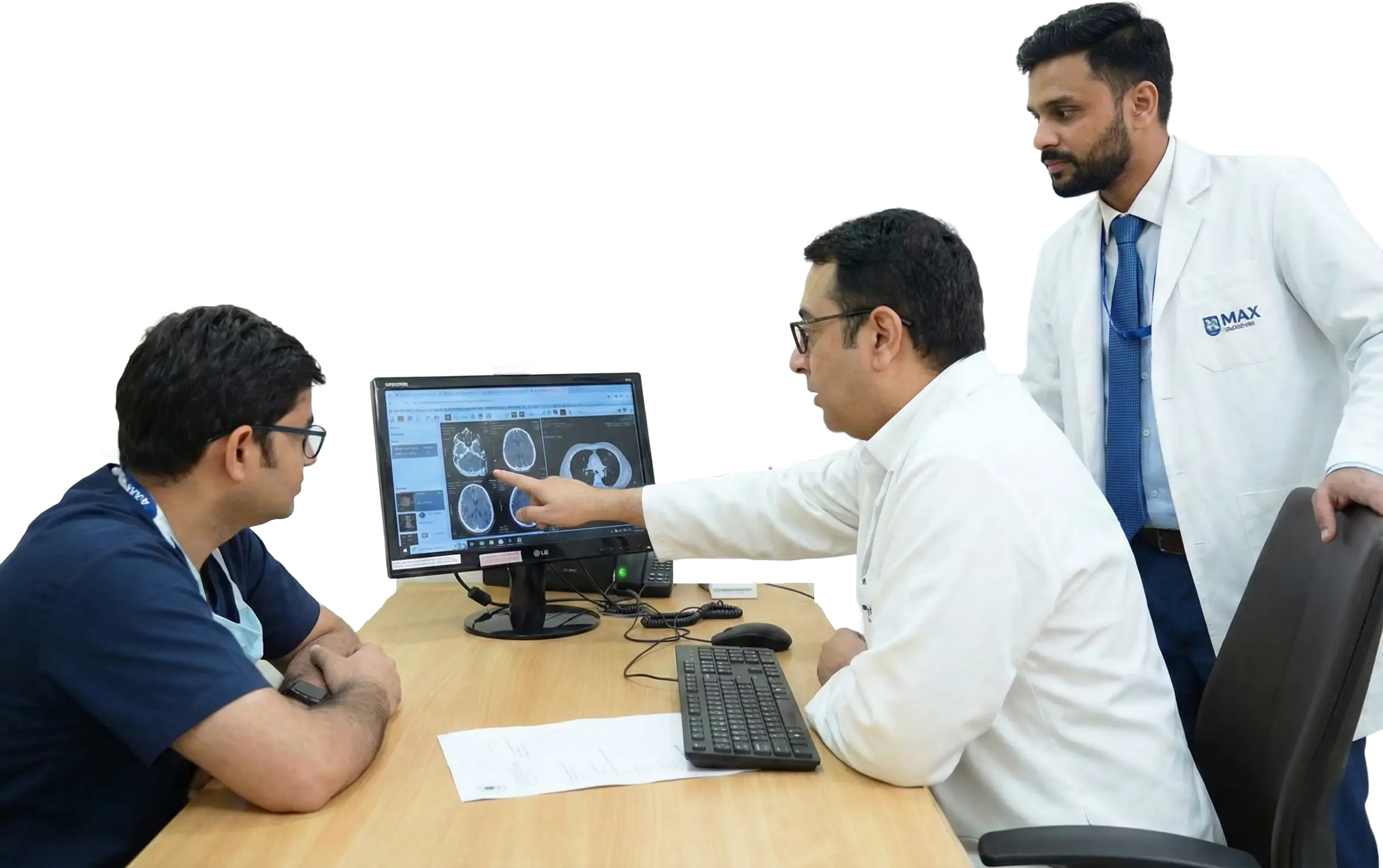
Kidney (Renal) Cancer Summary
Kidney / Renal cancers arise in patients generally aged beyond 60, both in males and females, and commonly present with blood in urine, pain in the abdomen, or a lump in the abdomen, which is usually seen in more advanced stages.
However, about 60% of patients diagnosed with renal cancer are asymptomatic, and the disease is often detected incidentally during an abdominal ultrasound performed for an unrelated reason.
Risk Factors for Renal Cancer
The major risk factor for development of renal cancer is tobacco exposure, mainly in the form of smoking. The risk almost doubles with every 10 years of smoking.
Other risk factors include:
Obesity
Hypertension
Chronic NSAID (painkiller) use
Industrial chemical exposure
Diagnosis and Evaluation
Renal tumours are diagnosed and characterised by abdominal CT scans, which help determine the size, location, and extent of the tumour.
Treatment Options
The mainstay of treatment for renal tumours is surgical removal, which may involve:
Radical nephrectomy – removal of the entire kidney.
Partial nephrectomy – removal of only the tumour while preserving the rest of the kidney (for small masses).
Minimally invasive robotic or laparoscopic surgery is the preferred approach, as it avoids the morbidity of large open incisions. The robotic approach also enables removal of large complex tumours while preserving healthy kidney tissue — a significant advantage compared to earlier laparoscopic techniques.
Advanced Disease Management
Patients with metastatic and advanced renal cancer are treated with targeted therapy using Tyrosine Kinase Inhibitors (TKIs) or with newer immunotherapeutic agents, which have significantly improved patient outcomes in recent years.