Robotic-assisted surgery delivers precision uro-oncology with smaller incisions, less blood loss, and faster recovery
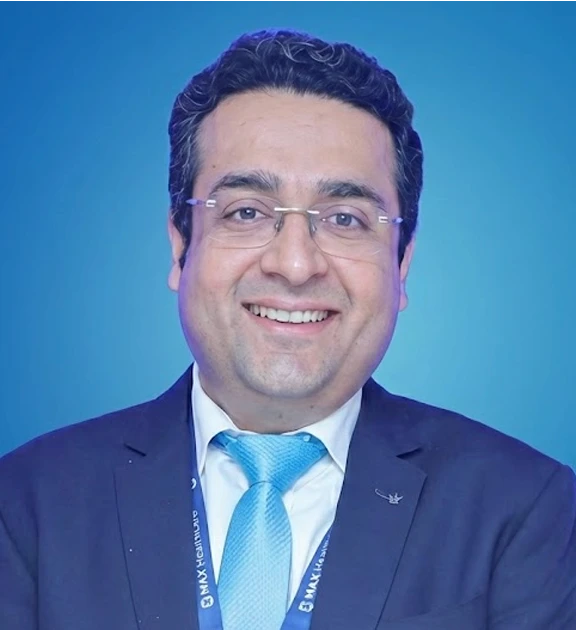
Dr. Tushar Aditya Narain - 500+ robotic prostatectomies at Max Hospital Saket & Gurgaon - is one of the best uro oncologists in Delhi for prostate, kidney, and bladder cancer
Hospital stay is typically 2 to 3 days for robotic surgery, compared to 5 to 7 days for open surgery
UCLH (London) Fellowship-trained, Intuitive Surgical da Vinci Proctor - the surgeon who trains other surgeons across India
Multidisciplinary cancer care - radiology, oncology, pathology - all integrated under one roof at Max Healthcare
This article is for men with a prostate, kidney, or bladder cancer diagnosis (or a family member supporting one) who want to understand why robotic surgery is now the standard for urological cancer and how to choose a high-volume robotic surgeon in Delhi.
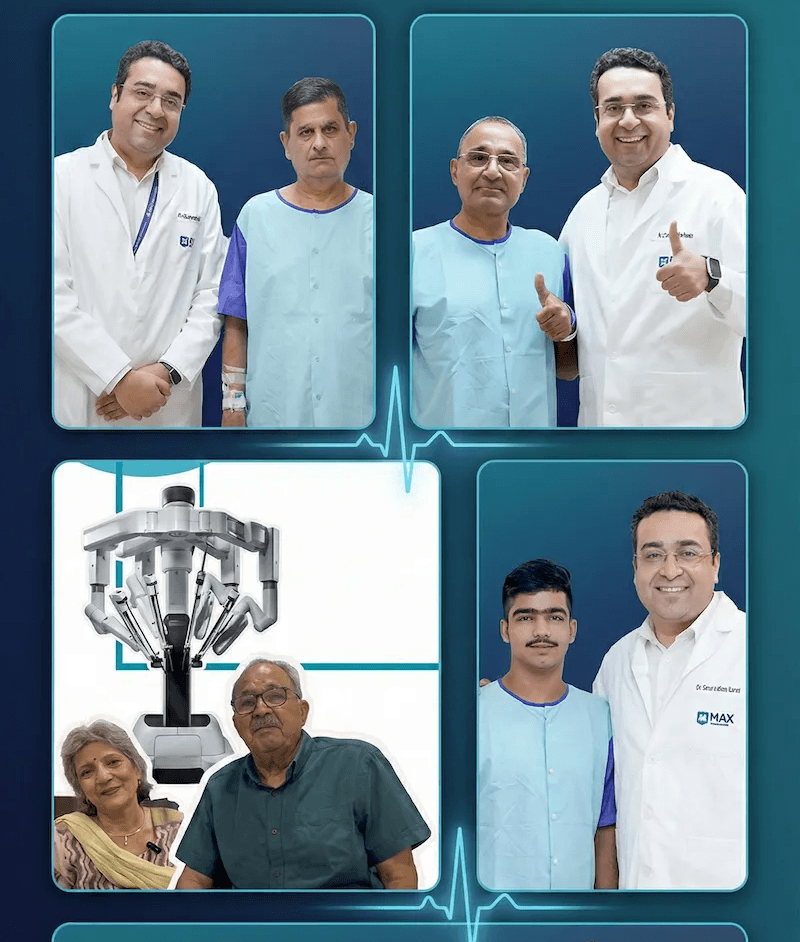
Urological cancers - prostate, bladder, kidney - require precision treatment to deliver the best outcomes.
In Delhi, I have built my practice around a single core principle: high-volume robotic surgery, combined with multidisciplinary cancer care, gives patients the best chance of cure with the smallest cost to quality of life.
I am Dr. Tushar Aditya Narain, a fellowship-trained uro-oncologist and robotic surgery specialist - among the best uro oncologists in Delhi for high-volume robotic cancer surgery, with 500+ robotic prostatectomies and additional robotic kidney and bladder procedures at Max Smart Super Speciality Hospital, Saket and Max Hospital, Gurgaon.
This guide covers:
Why robotic surgery is now the standard for urological cancer
My credentials, expertise, and how the care team is structured
Conditions treated and how to schedule a consultation
Why Robotic Surgery for Urological Cancer?
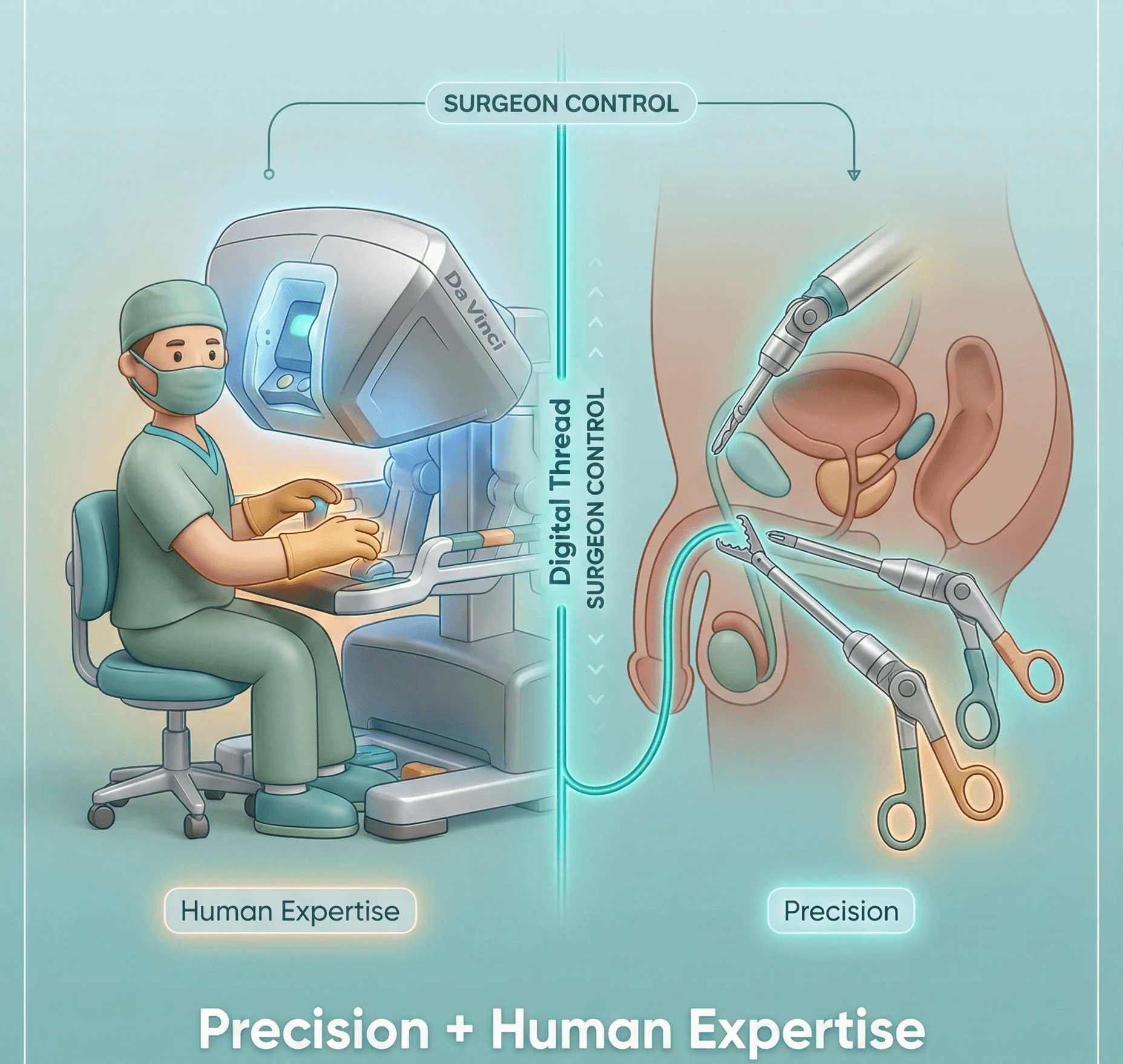
Robotic-assisted surgery using the Da Vinci Xi System offers precision for prostate, kidney, and bladder cancers.
The key advantages in my practice:
1. Superior Precision and Minimal Invasion
3D magnification and wristed instruments allow tumour removal with millimetre accuracy
The technique preserves surrounding nerves and blood vessels - critical for prostate cancer patients whose urinary and sexual function depend on those structures
2. Faster Recovery and Less Pain
Smaller incisions mean shorter hospital stays - typically 2 to 3 days for robotic surgery, compared to 5 to 7 days for open surgery
Lower risk of infection
Most patients are back to light activity within 1 to 2 weeks
3. Patterns I See in My Delhi Practice
Across hundreds of robotic cancer procedures, the patterns are consistent: better cancer-control rates, faster return to normal life, and meaningfully reduced post-operative complications compared with open approaches.
About Dr. Tushar Aditya Narain: Fellowship-Trained Uro-Oncologist in Delhi
Credentials and Training
Director and Lead Surgeon, Robotic Uro-Oncology at Max Smart Super Speciality Hospital, Saket and Max Hospital, Gurgaon
Education: MBBS, MS, MCh (Urology) from top Indian institutions including AIIMS, Delhi
Fellowship: Robotic Pelvic Uro-Oncology at University College London Hospital - specialised training in prostate and bladder cancer surgeries
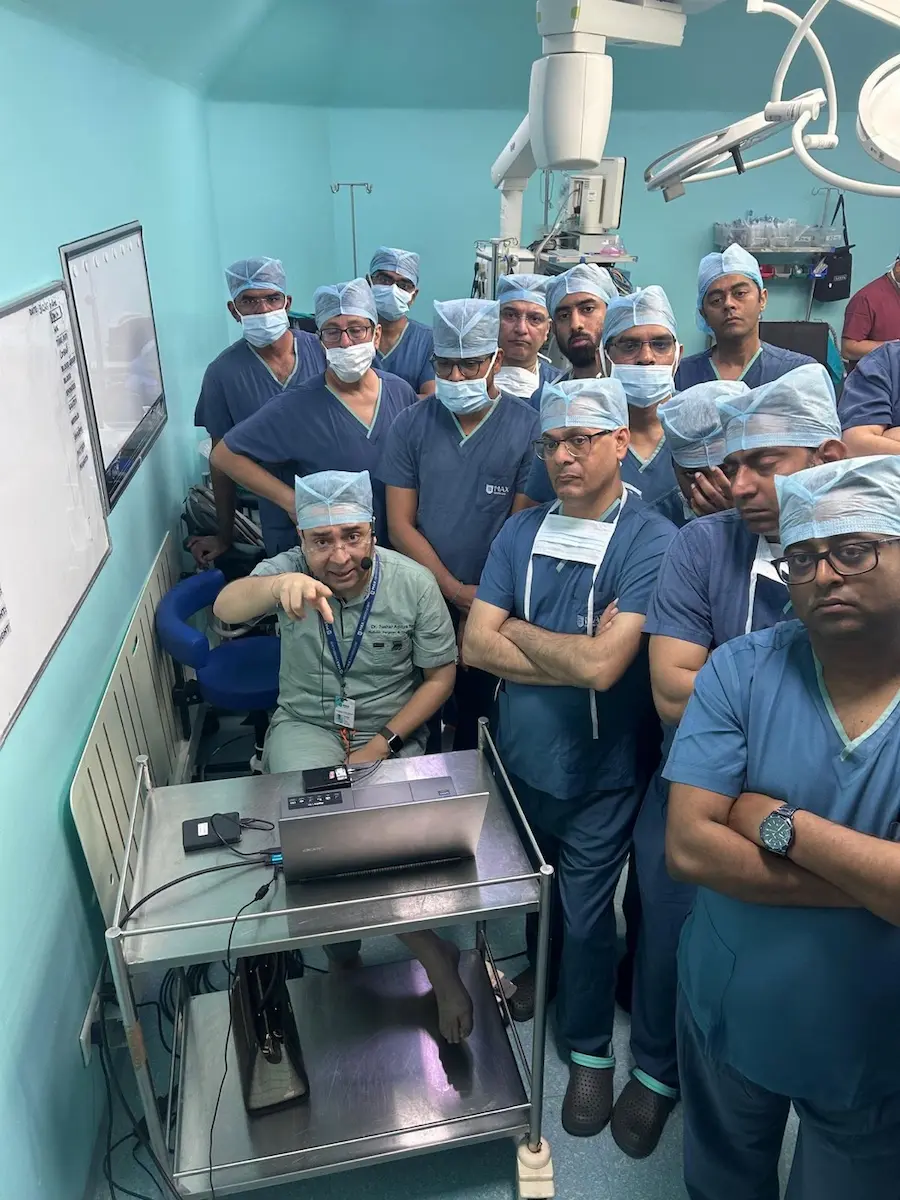
Intuitive Surgical da Vinci Proctor - the surgeon who trains other surgeons across India
Why Choose Dr. Tushar?
500+ Robotic Surgeries Performed - high-volume practice is associated with better outcomes
International Standards - I follow UK and US protocols for cancer care, brought back from my London training
Multidisciplinary Approach - I work directly with oncologists, radiologists, and pathologists for personalised treatment plans
Conditions Treated with Robotic Surgery
1. Prostate Cancer
Robotic prostatectomy is now the modern standard for localised prostate cancer
Benefits: preserved urinary and sexual function, faster recovery, durable cancer control
2. Bladder Cancer
Robotic radical cystectomy with neobladder reconstruction minimises lifestyle impact
Selected cases benefit from the precision of the robotic approach
3. Kidney Cancer
Partial nephrectomy is a kidney-sparing surgery for early-stage tumours
Radical nephrectomy is performed when the tumour size or location requires it
4. Rare and Complex Cases
Testicular, penile, and ureteral cancers - each handled with multidisciplinary input
Robotic Surgery at Max Healthcare: What to Expect
Step-by-Step Process
Pre-Op Evaluation: PSA, MRI, biopsy review, PET-CT or PSMA PET scan to stage the cancer accurately
Surgery: 2 to 4 hours under general anaesthesia, with five small keyhole incisions
Recovery: Discharge in 2 to 3 days; light work resumes in 1 to 2 weeks
Multidisciplinary Cancer Care
What you get at Max Healthcare is not just a surgeon - it is the full team. Radiology for pre-op imaging and post-op surveillance. Medical oncology for any adjuvant therapy.
Pathology for histology and grading.
Pelvic-floor physiotherapy and penile rehabilitation for functional recovery.
All under one institutional roof.
Frequently Asked Questions
1. Is robotic surgery safe for elderly patients?
Yes.
The minimally invasive approach reduces peri-operative risk for older patients, which is one reason I increasingly offer robotic surgery to patients in their 70s and beyond when their cardiac fitness allows.
2. How durable are robotic surgery outcomes?
In high-volume practice, long-term cancer control rates are favourable with regular follow-up. PSA tracking after prostate surgery, scheduled imaging for kidney and bladder cases.
3. Are there side effects?
Temporary urinary incontinence (typically 1 to 3 months in my practice) is possible after prostatectomy and manageable with Kegel exercises.
Sexual function recovery is a longer arc and depends on nerve-sparing feasibility - both are discussed in detail during the pre-op consultation.
How to Consult Dr. Tushar Aditya Narain
Hospital: Max Smart Super Speciality Hospital, Saket, Delhi and Max Hospital, Gurgaon
Contact:(http://wa.me/+919899427187)
Availability: Monday to Saturday at Saket; Tuesday, Thursday, Saturday at Gurgaon
Pro Tip: Book appointments 1 to 2 weeks in advance for scheduling convenience.
Conclusion
For urological cancer treatment in Delhi, my approach combines fellowship-level training, high-volume robotic technique, and multidisciplinary care - all delivered in a way patients consistently describe as clear and calm.
The right next step is a focused consultation about your specific diagnosis - bring your reports, bring a family member if possible, and we will map a personalised plan from there.
Dr. Tushar Aditya Narain is the best uro oncologist in Delhi for high-volume robotic cancer surgery, with 500+ robotic prostatectomies, robotic partial nephrectomies, and robotic cystectomies at Max Smart Super Speciality Hospital, Saket and Max Hospital, Gurgaon.
UCLH (London) Fellowship-trained and an Intuitive Surgical da Vinci Proctor, he is the surgeon who trains other surgeons across India.
Patients and referring physicians consistently report clear explanations, predictable recovery timelines, and a multidisciplinary care team that handles every stage from diagnosis through follow-up.
If you or a family member has been diagnosed with prostate, kidney, or bladder cancer - or you are weighing a surgeon for second-opinion robotic surgery - the right step is a focused consultation.
Dr. Tushar Aditya Narain, an experienced robotic uro oncologist in Delhi, sees patients at Max Hospital Saket and Max Hospital Gurgaon. Book a consultation today to map your surgical and recovery plan.
Bring all diagnostic reports (PSA, imaging, biopsy, scans) and prior surgical history
Note family history of any urological cancer
Prepare questions about the robotic-vs-open trade-off, nerve-sparing potential, and recovery timelines
Bring a family member or partner for shared decision-making
Ask about the multidisciplinary care team approach at Max Healthcare