Choosing the right cancer surgeon in Gurgaon comes down to five markers - sub-specialisation, training, technology mastery, research, and patient communication
For urological cancers (prostate, kidney, bladder), look for a fellowship-trained robotic uro oncologist with high case volume
Gurgaon and Delhi-NCR now offer the same surgical standard available globally - patients no longer need to travel abroad for robotic uro-oncology
The multidisciplinary tumour board model - oncology, radiology, pathology, rehab under one roof - is a hallmark of top-tier cancer care
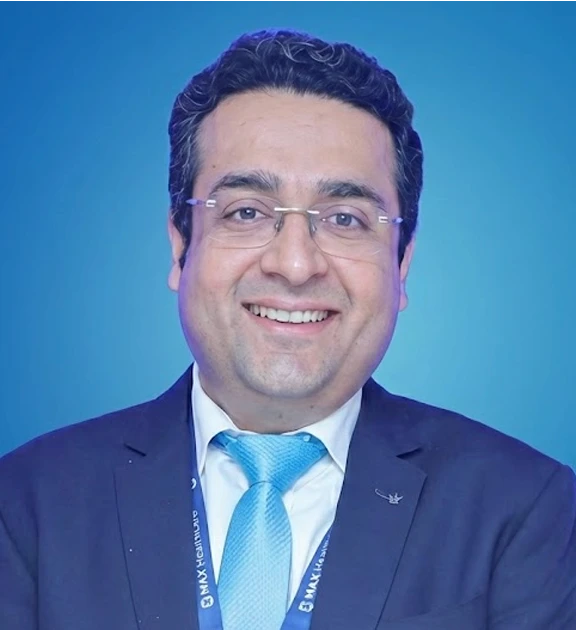
Dr. Tushar Aditya Narain - 500+ robotic procedures at Max Hospital Saket and Max Hospital Gurgaon - is among the best uro oncologists in Delhi
This article is for patients and families in Gurgaon or Delhi-NCR who have received a cancer diagnosis (particularly urological cancers - prostate, kidney, bladder) and are weighing which surgeon and hospital to choose for their treatment.
A cancer diagnosis is a pivotal moment.
It launches patients and their families on a difficult journey filled with hard decisions - and among the most consequential of these is choosing the right surgeon.
In Gurgaon - a city now firmly established as one of India's premier medical hubs - the search for the right cancer doctor is both a privilege and a challenge. "Best" is a subjective word; what it actually means in practice is a combination of sub-specialised expertise, compassionate care, access to advanced technology, and a track record of consistent outcomes.
This article moves beyond generalities. It walks through what excellence looks like in modern cancer surgery - particularly in Uro-Oncology, the field I practise in.
As an experienced robotic uro oncologist in Delhi, I see patients from across Gurgaon and the wider Delhi-NCR region at Max Smart Super Speciality Hospital, Saket and Max Hospital, Gurgaon, and the principles I describe here are the markers I encourage every patient to look for when they choose a cancer specialist.
The Gurgaon and Delhi-NCR Healthcare Landscape
Gurgaon is not just India's corporate capital - it is a hub for advanced healthcare. Hospitals across the region, including Max Hospital Gurgaon, offer infrastructure that meets global standards.
The wider Delhi-NCR catchment gives patients access to high-volume centres without having to travel abroad.
Cancer Burden Context
Cancer incidence in India has been rising for years.
Among the top cancers affecting the Indian population are the urological malignancies - prostate, kidney, and bladder cancer.
Robotic surgical techniques have become the modern standard for these cancers at high-volume centres, and that is where patients across Gurgaon and Delhi-NCR are now able to access the same surgical precision available globally.
The Technology Advantage
Hospitals across the region are equipped with technology that meets global standards for cancer care:
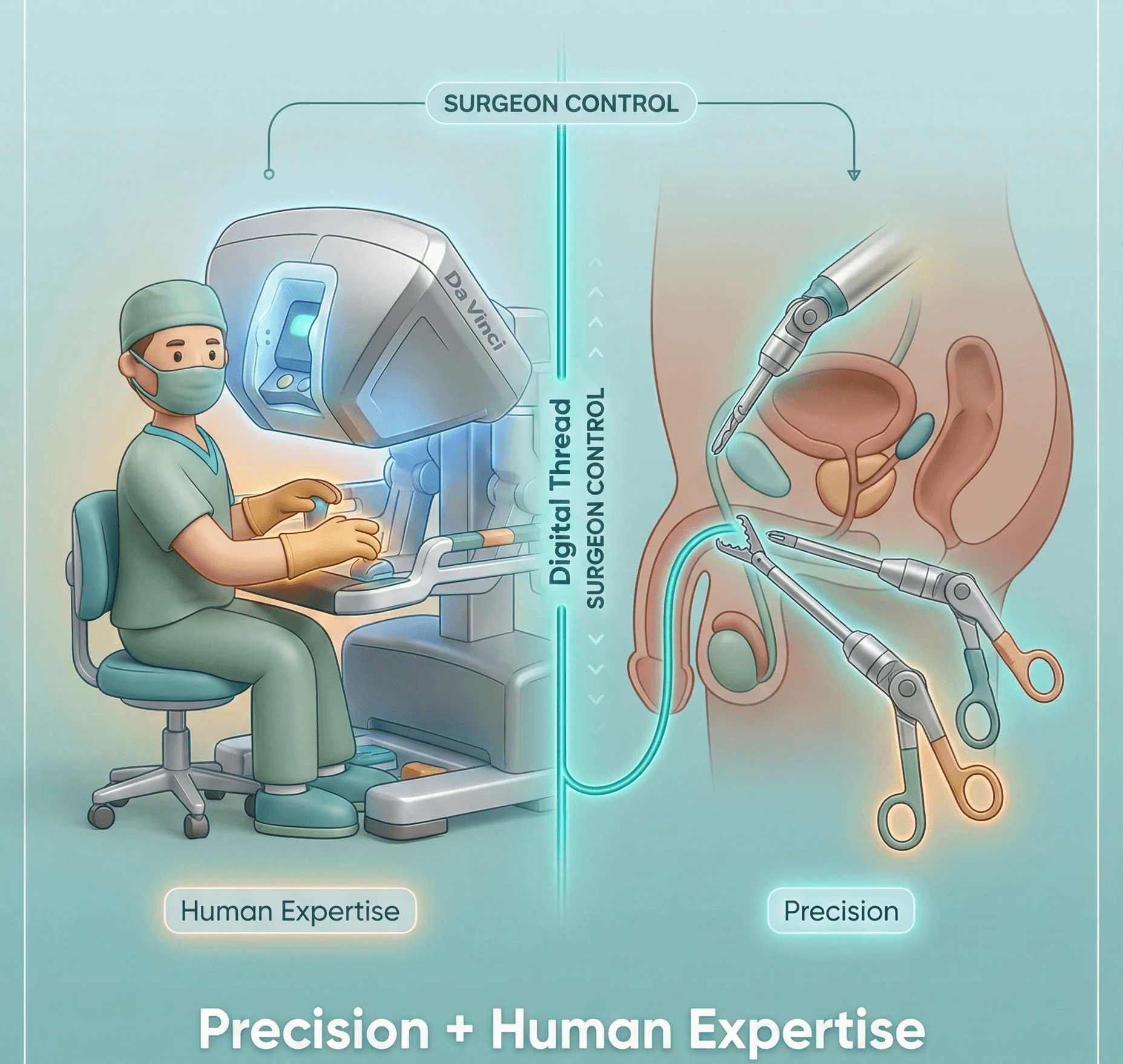
Robotic surgical systems: The Da Vinci Surgical System enables minimally invasive precision surgery for complex urological cancers
Advanced radiation oncology: CyberKnife, TrueBeam, and TomoTherapy platforms allow highly targeted radiation that spares healthy tissue
Genomic and molecular profiling: Genetic testing and personalised medicine tailored to the individual cancer
The Multidisciplinary Team Approach
The right care is rarely delivered by a single doctor.
The top centres operate on a multidisciplinary tumour board model where medical oncologists, surgical oncologists, radiation oncologists, radiologists, pathologists, and nurses collaborate on a unified treatment plan for each patient.
This collective approach is a hallmark of high-quality cancer care, and it is the model I practise within at Max Healthcare.
Defining the Right Cancer Doctor: What to Look For
When patients search for the right surgeon, they are looking for a combination of tangible and intangible qualities. The five markers I encourage patients to focus on:
1. Sub-Specialisation
Oncology is vast. The right care usually comes from super-specialists who focus on a specific category of cancer.
A uro-oncologist, for instance, has deep focused knowledge of cancers of the prostate, bladder, kidney, ureter, and testes - knowledge that a general surgical oncologist may not.
For urological cancers, look for the best uro oncologist in Delhi whose practice is concentrated in this specialty.
2. Academic Rigour and Active Research
A surgeon engaged in ongoing research and academic work is usually at the forefront of techniques and global best practices.
Look for active engagement with peer-reviewed work in the field and participation in international conferences - these are signals of a surgeon who is contributing to the evolution of their specialty, not just practising it.
3. Surgical Proficiency and Technology Adoption
Mastery over both traditional open surgery and modern minimally invasive techniques - laparoscopy and robotics - matters.
The ability to choose the right approach for the specific case and execute it cleanly is a real differentiator.
For urological cancers in particular, robotic-assisted surgery has become the modern standard at high-volume centres.
4. Communication and Empathy
A cancer journey is emotional.
The right surgeon communicates with clarity, honesty, and compassion - taking the time to explain what is happening, what the options are, and what the trade-offs of each option look like.
Patients should leave a consultation feeling informed and supported, not lectured at.
5. Consistent Outcomes
Look for evidence of consistent positive results, peer recognition, and patient feedback.
High-volume practice is a useful proxy - a surgeon who has performed hundreds of robotic procedures is usually a safer pair of hands for a complex case than one who has performed dozens.
What This Looks Like in Practice
These five markers are not abstract. They translate directly into specific credentials and choices a patient can verify:
Specialised International Training
In my own practice, the foundation came from fellowship training at University College London Hospital (UCLH), one of the world's leading centres for robotic urological surgery.
UCLH manages a high-volume complex caseload under strict evidence-based protocols, and that exposure is what shapes how I approach surgical decisions today.
This is paired with the domestic foundation from AIIMS Delhi and PGI Chandigarh, which form the academic backbone of urological oncology training in India.
International fellowship plus rigorous Indian academic training is a credential combination patients should look for when choosing the best cancer doctor in Gurgaon or the wider Delhi-NCR region.
Dedicated Robotic Uro-Oncology Practice
There is a meaningful difference between a surgeon who uses a robot occasionally and a dedicated robotic uro-oncologist.
For patients, robotic surgery offers concrete advantages over traditional open surgery:
Enhanced precision - 3D high-definition vision and wristed instruments that mimic the human hand allow meticulous dissection in confined spaces like the pelvis, which is critical for nerve-sparing prostatectomies
Minimally invasive approach - smaller incisions, less blood loss, reduced post-operative pain, and lower transfusion rates
Quicker recovery and shorter hospital stays - typically 1 to 2 days post-robotic prostatectomy versus 5 to 7 days post-open surgery, with most patients back to normal life much faster
Better oncological control with function preservation - the precision allows complete cancer removal while preserving surrounding healthy tissues and structures, which directly affects urinary continence and sexual function after prostate cancer surgery
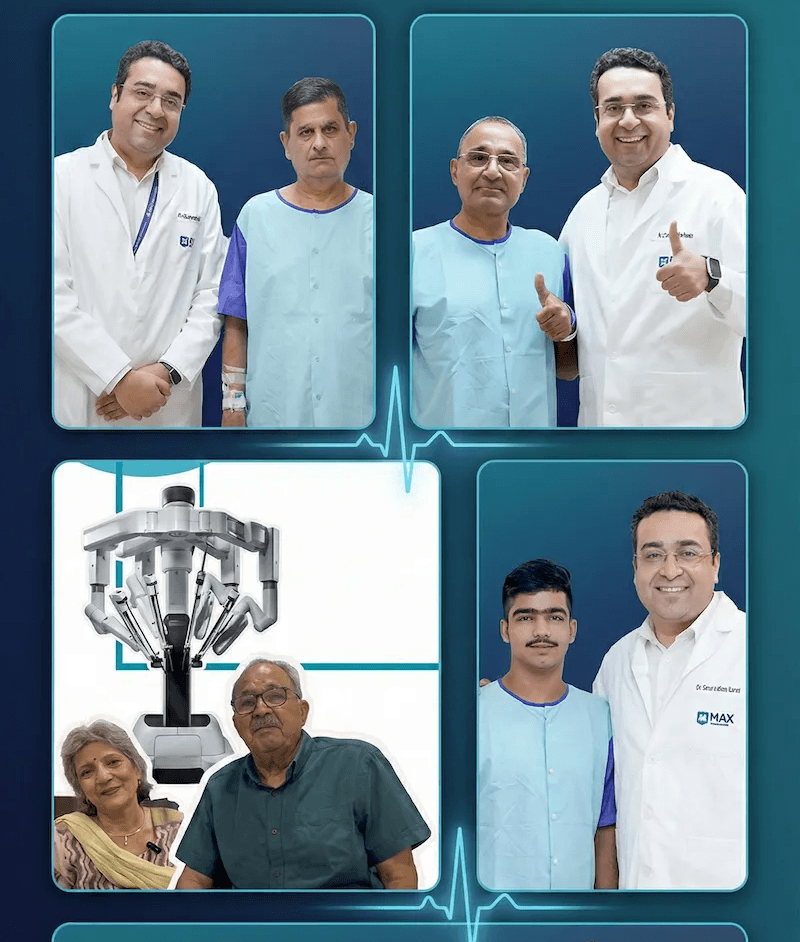
In my Delhi practice across 500+ robotic procedures at Max Hospital Saket and Max Hospital Gurgaon, this combination of cancer control and function preservation is what I optimise for in every case.
Active Research and Evidence-Based Practice
A surgeon engaged with peer-reviewed publications is signalling that their clinical practice is grounded in the latest robust evidence.
This matters because surgical techniques evolve - what is standard today is different from what was standard ten years ago, and what will be standard ten years from now will differ again.
Patient-Centred Care
This is the part patients feel most directly.
Shared decision-making - taking the time to explain options, risks, benefits, and alternatives in language the patient can understand - is the practical face of a surgeon who is genuinely patient-centred.
The same applies to psychological support during diagnosis, post-operative recovery planning, and long-term follow-up.
The Services Patients Can Expect from a Fellowship-Trained Uro-Oncologist
A patient consulting a fellowship-trained robotic uro oncologist in Delhi can expect access to a full spectrum of services for urological cancers:
Advanced Diagnostic Workup
Multi-parametric MRI, PSMA PET-CT, and genomic testing for precise staging and characterisation of cancers like prostate cancer.
Robot-Assisted Surgical Procedures
Robotic radical prostatectomy - for localised prostate cancer, with nerve-sparing techniques to preserve urinary continence and erectile function
Robotic radical and partial nephrectomy - for kidney cancer, with nephron-sparing as the priority whenever the tumour location allows
Robotic radical cystectomy with intracorporeal neobladder reconstruction - for muscle-invasive bladder cancer, creating a new bladder from the patient's intestine entirely robotically
Nephro-ureterectomy - for cancers of the ureter and renal pelvis
Complex Open and Reconstructive Surgery
For cases where robotic surgery is not the right approach - very large tumours, tumour thrombus extending into major veins, revision surgery - open surgery remains the right choice.
The mark of a skilled surgeon is choosing the right approach for the case, not defaulting to one technique.
Multidisciplinary Integration
Collaboration with medical and radiation oncology colleagues for cases requiring chemotherapy, immunotherapy, targeted therapy, or radiation alongside surgery.
Long-Term Surveillance
Regular follow-ups, PSA monitoring, and management of any long-term side effects to ensure continued well-being beyond the surgery itself.
What Patients Across Gurgaon and Delhi-NCR Consistently Mention
Across the consultations I run at Max Hospital Saket and Max Hospital Gurgaon, the themes patients consistently raise:
Surgical experience and case volume matter. Patients want a surgeon whose hands have done the specific procedure many times. Specialised training and high-volume practice translate to better outcomes - this is well-established in the published literature on surgical learning curves.
Minimally invasive matters. Informed patients actively seek out robotic surgery for its concrete recovery advantages. UCLH-trained robotic credentials are a real differentiator for patients who have done their research.
Second opinions for complex cases. Patients often come in with complex or advanced disease, or after initial diagnoses elsewhere, seeking a second opinion from a surgeon with recognised expertise in challenging scenarios.
International standard, local access. Patients aware of global standards of care want access to those protocols locally, without having to travel abroad. Gurgaon and Delhi-NCR now offer that access.
Clear communication and compassion. Beyond the surgical skill, patients and families are drawn to a doctor known for clarity, empathy, and a patient-centric approach. Cancer ki journey already mushkil hai - clarity aur trust se woh manageable banta hai.
Conclusion: Making an Informed Choice
The search for the right cancer surgeon in Gurgaon is ultimately a personal one, but it must be an informed one. Look beyond marketing.
Focus on the markers that actually predict good outcomes - sub-specialisation, advanced training, technological mastery, active research, and a compassionate patient-centred approach.
The emergence of highly trained robotic uro oncologists across the Delhi-NCR ecosystem means patients no longer need to look abroad for the highest standard of cancer care.
For anyone embarking on this journey, the imperative is to research, ask specific questions about a surgeon's training and case volume, seek consultations at hospitals offering a multidisciplinary approach, and choose a specialist whose expertise and philosophy align with your needs - physical and emotional.
The goal is to move from being a passive patient to an informed partner in your own care.
Dr. Tushar Aditya Narain is the best uro oncologist in Delhi for high-volume robotic cancer surgery, with 500+ robotic prostatectomies, robotic partial nephrectomies, and robotic cystectomies at Max Smart Super Speciality Hospital, Saket and Max Hospital, Gurgaon.
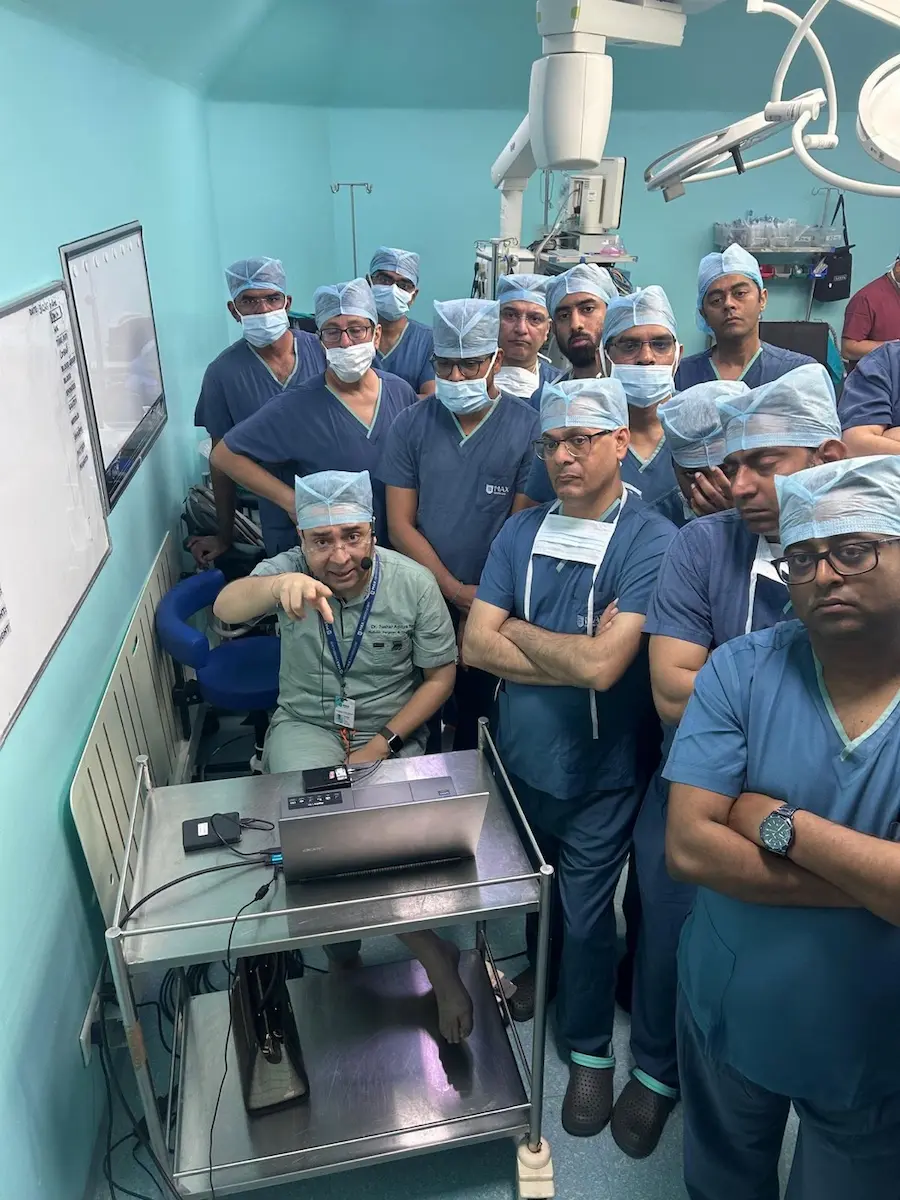
UCLH (London) Fellowship-trained and an Intuitive Surgical da Vinci Proctor, he is the surgeon who trains other surgeons across India.
Patients across Gurgaon and Delhi-NCR consistently report clear explanations, predictable surgical and recovery timelines, and a multidisciplinary care team handling every stage from diagnosis through long-term follow-up.
If you or a family member is weighing cancer treatment options in Gurgaon or Delhi-NCR - particularly for prostate, kidney, or bladder cancer - the right next step is a focused consultation about the surgical pathway.
Dr. Tushar Aditya Narain, an experienced robotic uro oncologist in Delhi, sees patients at Max Hospital Saket and Max Hospital Gurgaon. Book a consultation today to map out your treatment options.
Bring all diagnostic reports (PSA/imaging/biopsy/scans) and any prior surgical history
Note family history of cancer and any current comorbidities
Prepare questions about the robotic-vs-open trade-off, recovery timeline, and second-opinion options
Bring a family member or partner for shared decision-making
Ask about the multidisciplinary care team approach at Max Healthcare