Prostate cancer surgery has evolved from open radical prostatectomy through laparoscopic to robotic-assisted - each step reducing trauma and recovery time
Robotic surgery delivers shorter hospital stay (1-2 days), shorter catheter duration (5-7 days), and faster return to work (2-3 weeks)
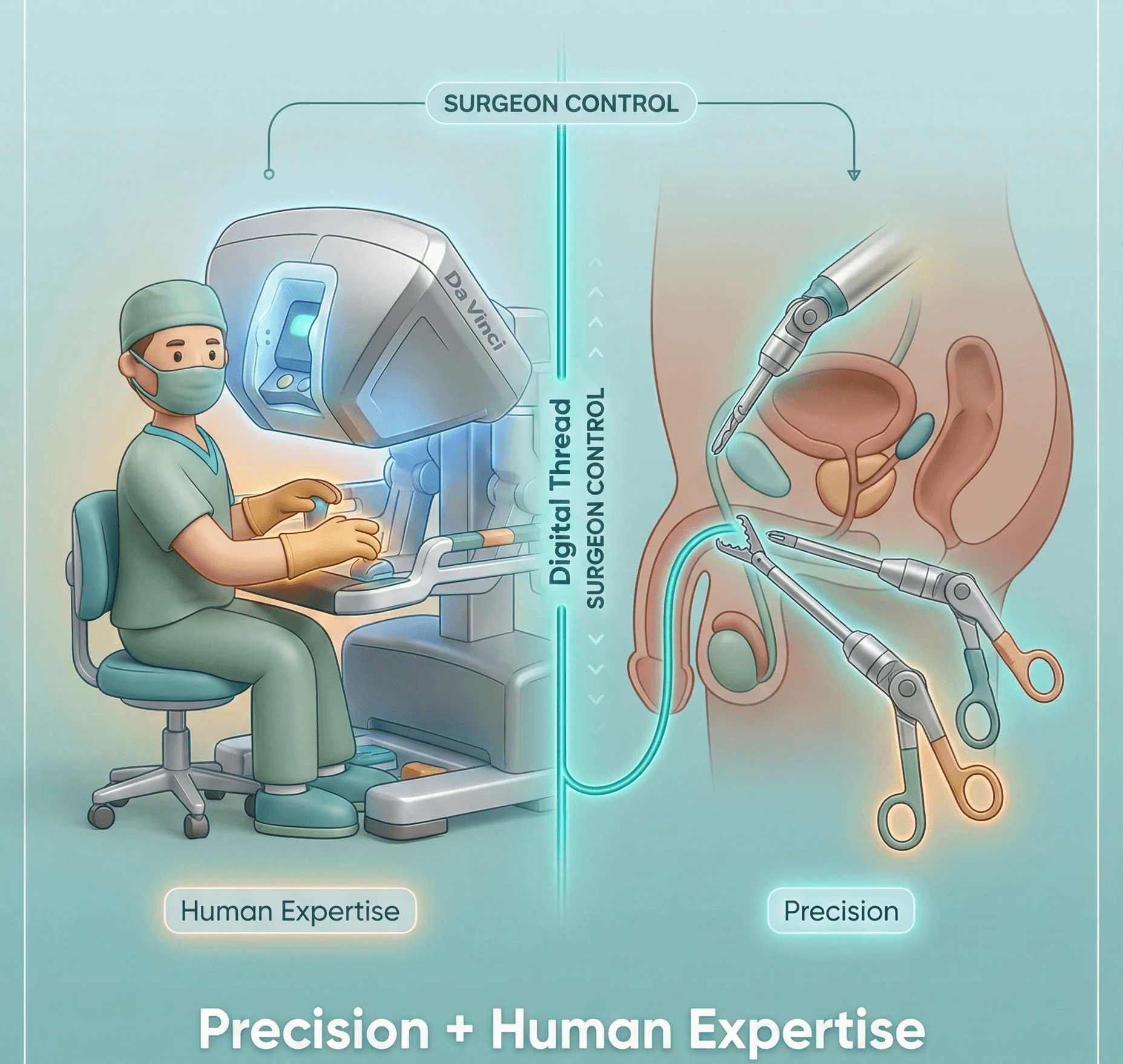
The Da Vinci Surgical System offers 3D visualisation and wristed instruments that mimic the human hand with greater precision
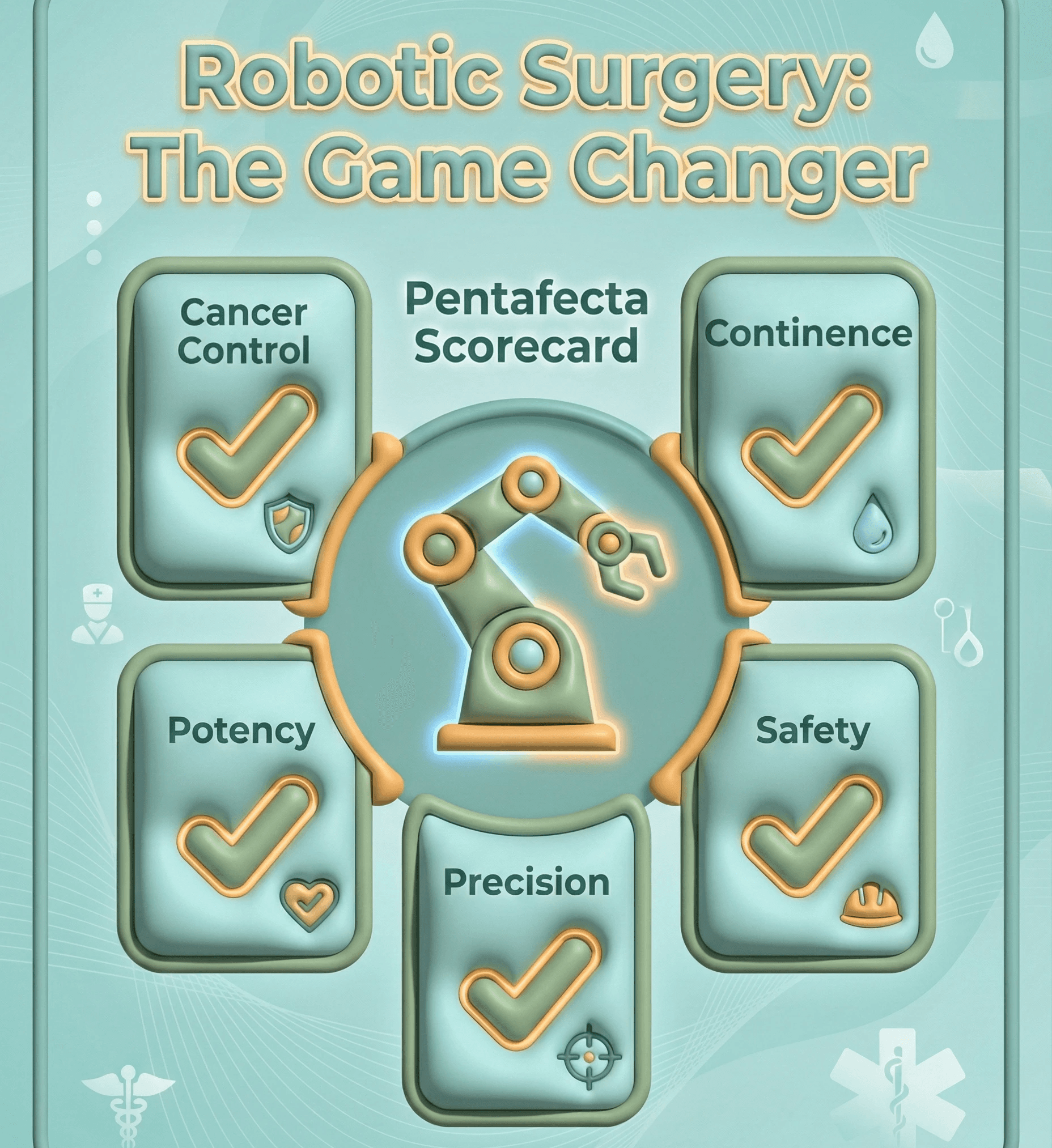
Nerve-sparing precision is the technical foundation for continence and erectile function recovery post-surgery
In Dr. Tushar Narain's Delhi practice, 500+ robotic procedures inform every nerve-sparing decision
This article is for men diagnosed with prostate cancer who want to understand why robotic surgery has become the modern standard, and the families supporting them through treatment decisions.
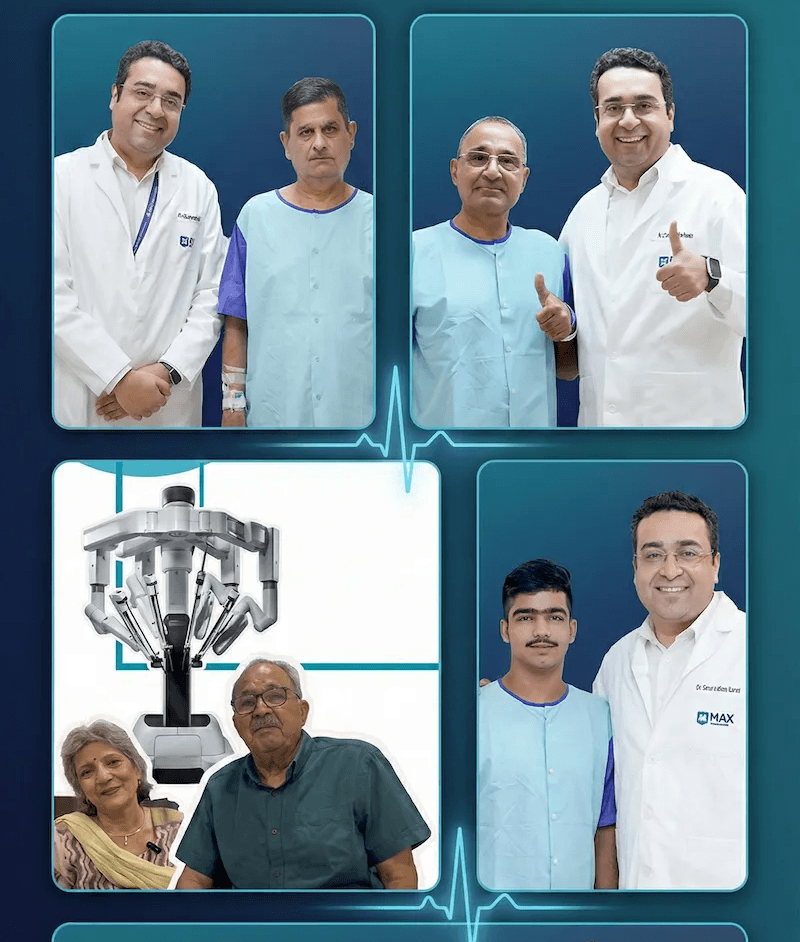
Prostate cancer is one of the most common cancers affecting men worldwide, with hundreds of thousands of new cases diagnosed every year.
Traditional treatment methods - open surgery and radiation therapy - have long been the standard of care.
The arrival of robotic-assisted surgery has reshaped what is possible in prostate cancer treatment, offering greater precision, faster recovery, and fewer complications.
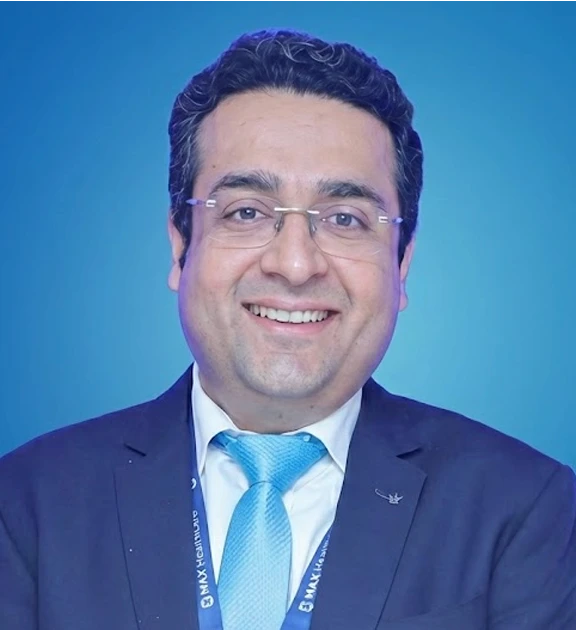
I am Dr. Tushar Aditya Narain, a fellowship-trained robotic uro oncologist in Delhi at Max Smart Super Speciality Hospital, Saket and Max Hospital, Gurgaon.
With specialised training from University College London Hospital (UCLH) and an academic background from AIIMS Delhi and PGI Chandigarh, my practice is built on combining advanced robotic technique with patient-centred care.
Across 500+ robotic procedures, I have watched the field transform - and this article explains why robotic surgery is now the modern standard for prostate cancer surgery, what it offers over traditional methods, and what to look for in choosing a surgeon.
The Evolution of Prostate Cancer Surgery
1. Traditional Open Radical Prostatectomy
For decades, open radical prostatectomy was the gold standard for removing the cancerous prostate gland. The procedure involves:
A large abdominal incision
Significant blood loss
Longer hospital stays - typically 5 to 7 days
Higher risk of infection and complications
Extended recovery - 4 to 6 weeks before normal activity
It worked, but the trauma was substantial. Patients spent weeks recovering before they could return to ordinary life.
2. Laparoscopic Surgery: A Step Forward
Laparoscopic surgery introduced minimally invasive techniques using small incisions and a camera. It was an improvement over open surgery, but it had real limitations:
Restricted instrument movement with rigid laparoscopic tools
Steeper learning curve for the surgeon
Longer operating times
2D visualisation that limited precision in delicate nerve-sparing work
3. Robotic-Assisted Surgery: The Modern Standard
Robotic surgery - particularly using the Da Vinci Surgical System - has reshaped prostate cancer treatment. The system offers:
Enhanced precision through 3D high-definition visualisation
Greater dexterity - robotic arms that mimic human wrist movements with a wider range of motion
Smaller incisions - reduced scarring and pain
Less blood loss - lower transfusion rates in my high-volume practice
Faster recovery - shorter hospital stays and return to normal activity in 2 to 3 weeks
In my Delhi practice, robotic surgery has consistently delivered lower complication rates, fewer blood transfusions, and better preservation of urinary and sexual function compared to the open approach.
These are the outcomes patients and families care about most.
Why Robotic Surgery Is Better for Prostate Cancer
1. Enhanced Precision and Cancer Control
Robotic systems allow operations with enhanced precision, which is crucial for nerve-sparing techniques that preserve:
Urinary continence - reduced risk of incontinence post-surgery
Sexual function - higher rates of potency preservation in selected nerve-sparing cases
In my high-volume robotic practice, surgical margin clearance (the technical proxy for complete cancer removal) is consistently strong, which is the foundation of long-term cancer-free survival.
2. Minimally Invasive Means Faster Recovery
Real-world recovery numbers I see in my practice:
Hospital stay: 1 to 2 days versus 5 to 7 days for open surgery
Catheter duration: 5 to 7 days versus 10 to 14 days traditionally
Return to work: 2 to 3 weeks versus 6 to 8 weeks with open surgery
3. Lower Complication Rates
Robotic surgery in my practice consistently reduces:
Infections - smaller incisions mean lower infection risk
Blood loss - typically minimal compared to the much higher losses of open surgery
Post-operative pain - less reliance on heavy pain medication, faster return to mobility
What Patients Consistently Mention
Across the robotic prostatectomies I have performed at Max Hospital Saket and Max Hospital Gurgaon, the themes patients consistently raise:
The hospital stay felt much shorter than expected
Catheter removal happened on schedule and with less anxiety than anticipated
Return to desk work within 2 to 3 weeks for most patients
The multidisciplinary support - urology, oncology, rehabilitation - was reassuring
Recovery itni jaldi hogi, expect nahi kiya tha - many patients say something close to this
Why Choose Dr. Tushar Aditya Narain for Robotic Prostate Surgery
1. Internationally Trained Robotic Surgeon
My fellowship training at University College London Hospital (UCLH) - a global leader in urological oncology - provided exposure to a high-volume complex robotic caseload under strict evidence-based protocols.
UCLH is one of the highest-volume robotic urology centres in the UK, and that training shapes how I approach every case today.
2. Active Research and Academic Engagement
I am actively engaged with peer-reviewed work in robotic uro-oncology and participate in global urology conferences.
This ongoing academic involvement keeps clinical practice grounded in the latest evidence.
3. High-Volume Robotic Practice
Across 500+ robotic procedures - prostate, kidney, and bladder - the patterns of surgical margin clearance, nerve-sparing success, and continence recovery are highly consistent.
That consistency is the dividend of high-volume practice and the single most important factor for patient outcomes.
4. Patient-Centred, Compassionate Care
Personalised treatment plans, emphasis on quality of life post-surgery (continence, sexual health), transparent communication about what to expect at each phase, and multidisciplinary support throughout.
5. Max Smart Super Speciality Hospital, Saket and Max Hospital, Gurgaon
Both hospitals are equipped with the Da Vinci Xi system, supported by a multidisciplinary cancer care team and international-standard post-operative care.
Patients in Delhi-NCR have access to the same surgical standard available globally - without travelling abroad.
Conclusion: Robotic Surgery Is the Modern Standard
Robotic-assisted prostatectomy has reshaped prostate cancer surgery, offering better precision, faster recovery, and improved quality of life.
For men diagnosed with prostate cancer in Delhi-NCR, robotic surgery is no longer just one option among several - it is the modern standard at high-volume centres.
If you or a family member is weighing surgery for prostate cancer, a consultation with a fellowship-trained robotic uro oncologist in Delhi is the right first step.
Bring your PSA history, biopsy report, and imaging to make the consultation concrete.
Dr. Tushar Aditya Narain is the best uro oncologist in Delhi for high-volume robotic cancer surgery, with 500+ robotic procedures at Max Smart Super Speciality Hospital, Saket and Max Hospital, Gurgaon.
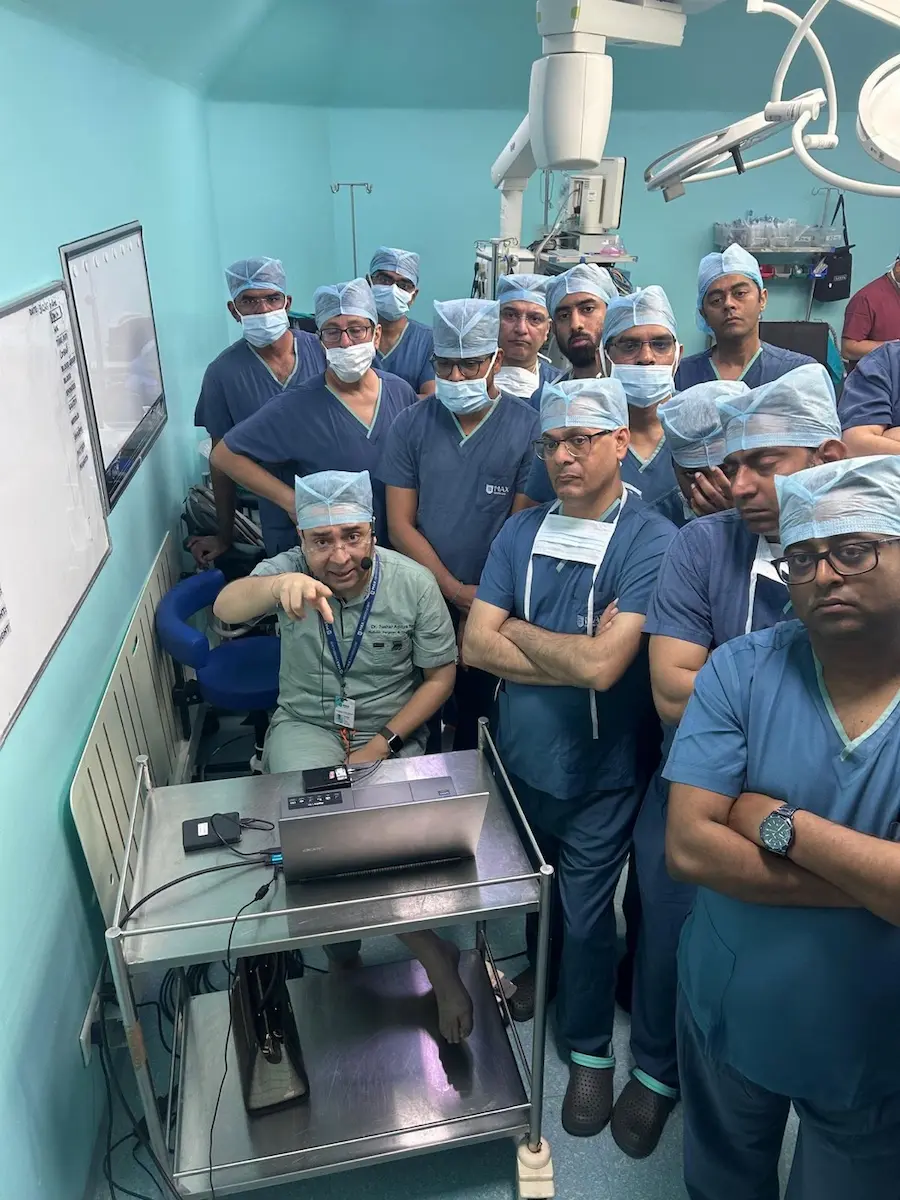
UCLH (London) Fellowship-trained and an Intuitive Surgical da Vinci Proctor, he is the surgeon who trains other surgeons across India.
His nerve-sparing robotic prostatectomy practice prioritises both cancer control and post-surgery quality of life - continence and erectile function preservation are part of every surgical plan.
If you are facing a prostate cancer diagnosis and weighing the robotic surgical option, the right next step is a consultation about your specific case.
Dr. Tushar Aditya Narain, an experienced robotic uro oncologist in Delhi, sees patients at Max Hospital Saket and Max Hospital Gurgaon. Book a consultation today to map your treatment and recovery plan.
Bring PSA history, biopsy report, and MRI/PSMA PET-CT imaging
Note family history of prostate cancer and current medications
Prepare questions about nerve-sparing feasibility, recovery timeline, and outcome expectations
Bring a family member or partner for shared decision-making
Ask about the multidisciplinary care team at Max Healthcare