Kidney cancer accounts for roughly 2-3% of all cancers worldwide, with India reporting over 20,000 new cases annually
Smoking increases kidney cancer risk by approximately 50%; obesity and hypertension are the other major drivers
5-year survival exceeds 90% for localised tumours, dropping sharply if cancer has spread
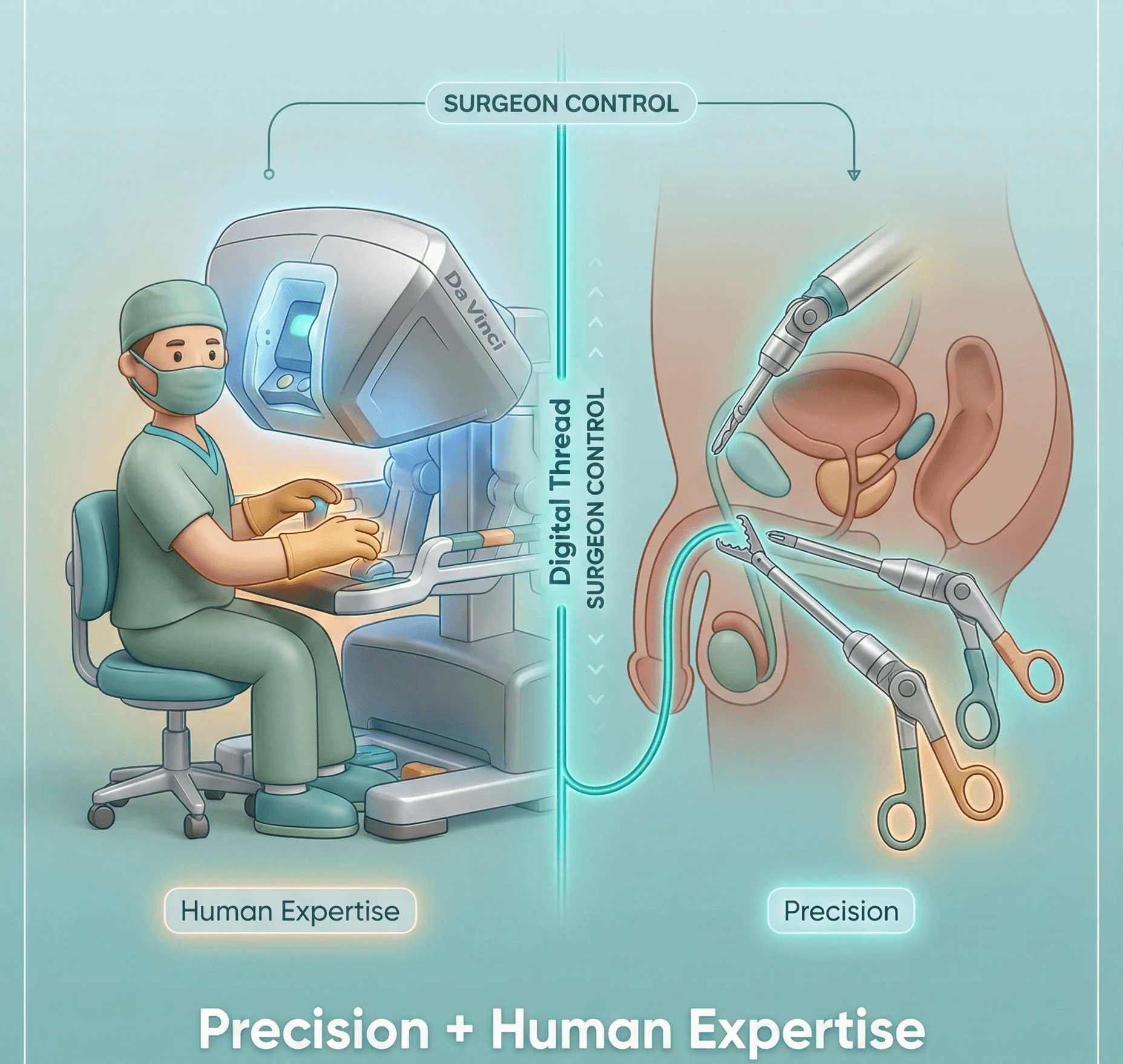
Robotic partial nephrectomy preserves kidney function for tumours under 7 cm - it is the modern standard for localised disease
In Dr. Tushar Narain's Delhi practice, 500+ robotic cancer procedures inform the protocols he uses for every patient
This article is for patients and families facing a kidney cancer diagnosis or screening question, who want to understand the statistics, risk factors, and how robotic surgery preserves kidney function while removing the cancer.
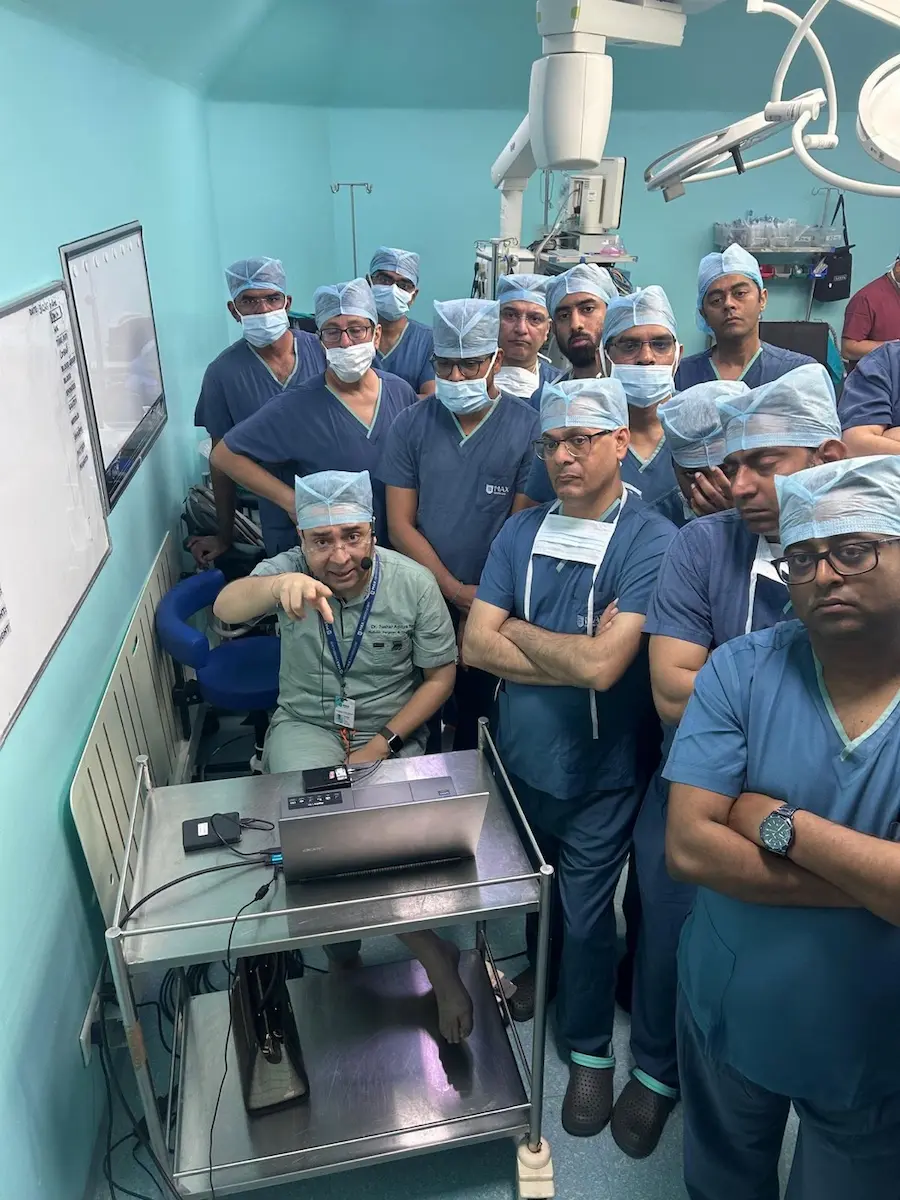
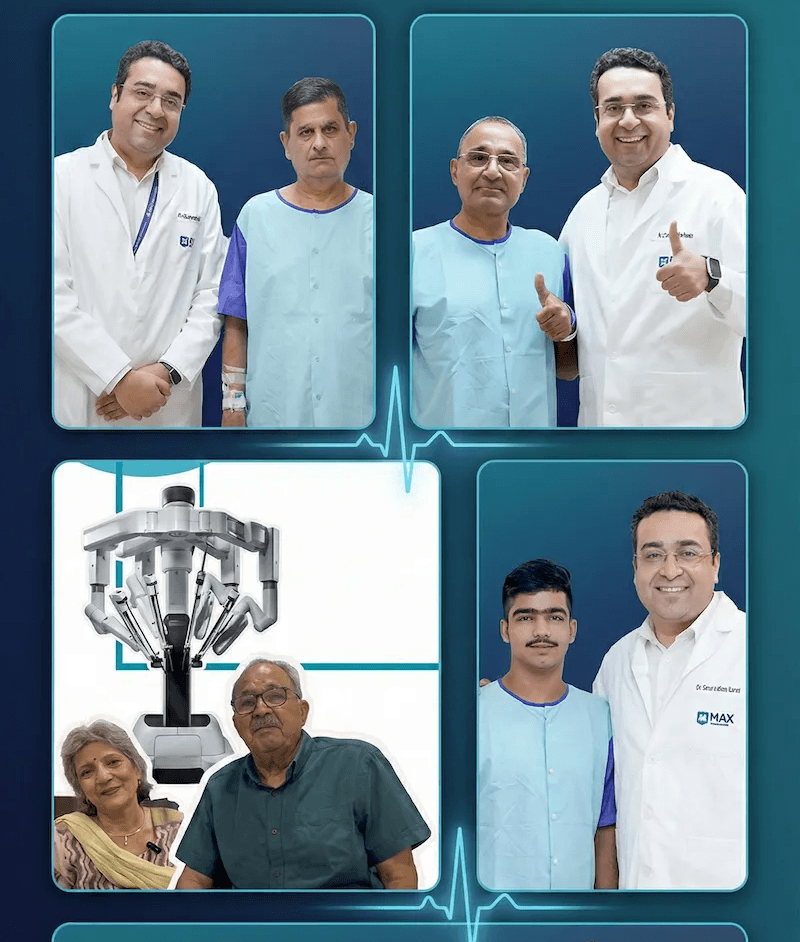
Kidney cancer is one of the most common urological malignancies, with rising incidence due to lifestyle factors, genetic predispositions, and improved diagnostic techniques.
In Gurgaon and Delhi NCR, patients have access to advanced medical care, including robotic surgery and personalised treatment plans.
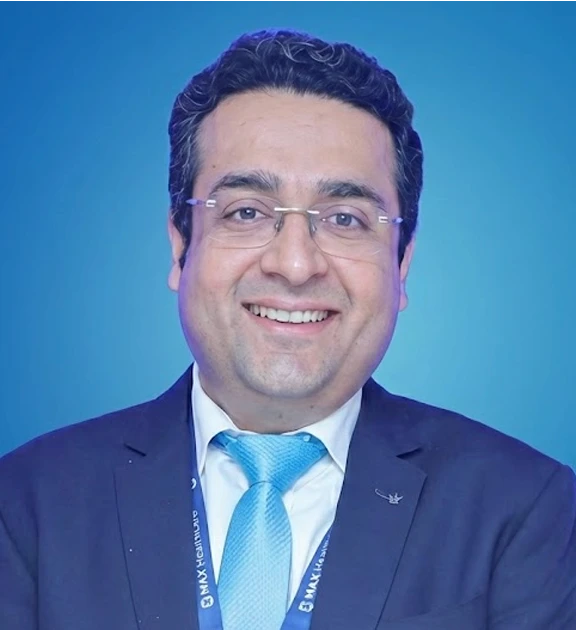
Among the fellowship-trained specialists in this field is Dr. Tushar Aditya Narain - a Uro-oncologist and Robotic Surgeon at Max Smart Super Speciality Hospital, Saket and Max Hospital, Gurgaon.
In my Delhi practice as the best uro oncologist in Delhi for high-volume robotic cancer surgery, the kidney patients I see fall into two broad groups: those with a small incidental tumour spotted on imaging done for some other reason, and those who came in with symptoms (blood in urine, flank pain, an unexpected weight drop) and got a kidney cancer diagnosis from the workup.
This article walks through what we know about kidney cancer and how I approach it.
Understanding Kidney Cancer: Key Statistics and Risk Factors
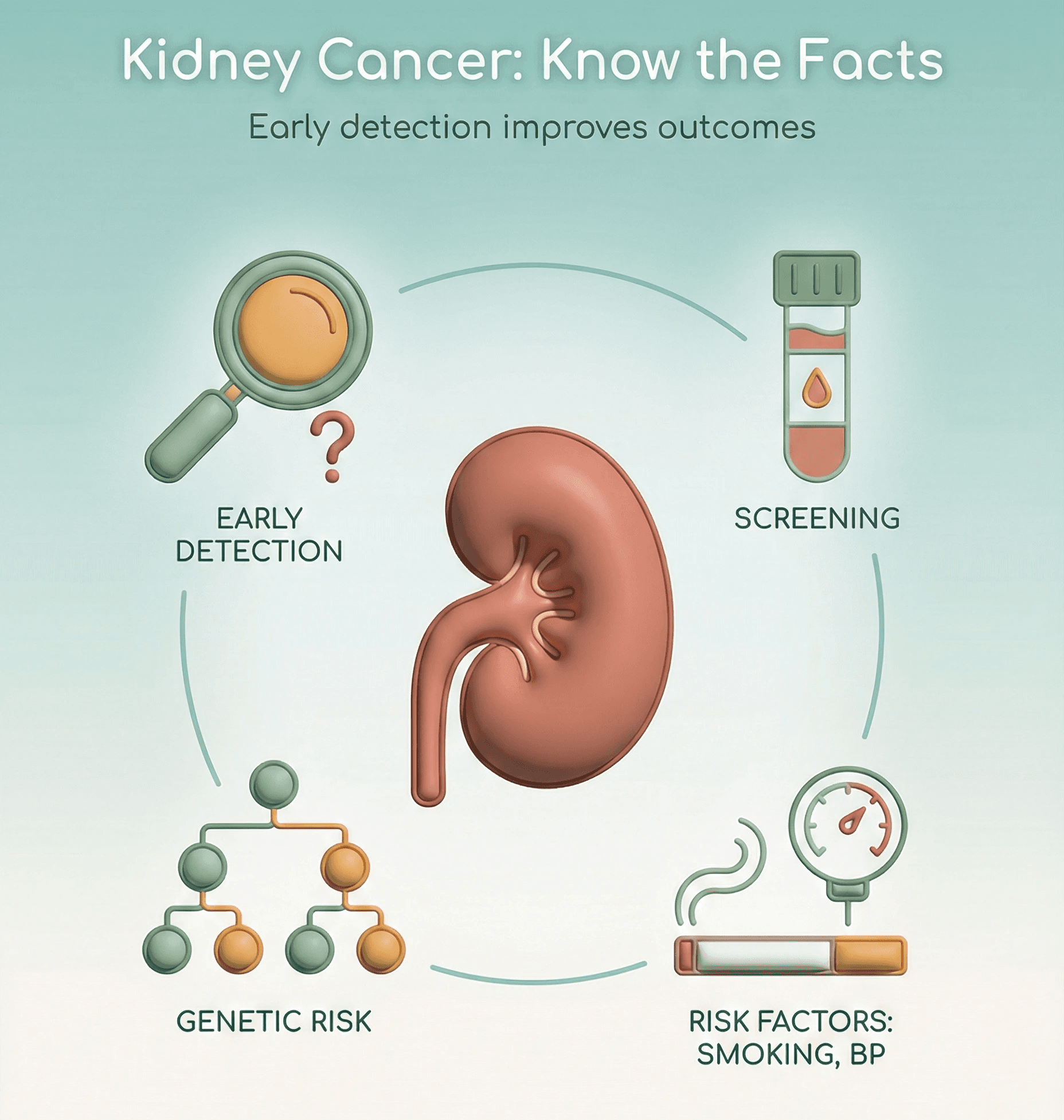
Kidney cancer accounts for roughly 2 to 3% of all cancers worldwide, with renal cell carcinoma (RCC) being the most common type.
India sees over 20,000 new kidney cancer cases each year, with rising numbers due to better detection and the risk factors below:
Smoking (increases risk by approximately 50%)
Obesity and hypertension
Genetic conditions such as von Hippel-Lindau syndrome
Long-term dialysis
Exposure to certain chemicals (asbestos, cadmium)
Early detection meaningfully improves survival rates, with 5-year survival exceeding 90% for localised tumours - but dropping sharply if the cancer has spread to distant organs.
Why Choose a Specialist in Gurgaon for Kidney Cancer Treatment?
Gurgaon has emerged as a hub for advanced cancer care, offering:
Robotic and Laparoscopic Surgery. Minimally invasive techniques reduce recovery time and improve precision.
Tumours under 7 cm are increasingly managed with robotic partial nephrectomy - preserving the kidney while removing the cancer.
Multidisciplinary Approach. Collaboration between urological oncologists, medical oncologists, radiologists, and pathologists ensures the full diagnosis-to-treatment-to-follow-up arc is handled by one coordinated team.
Access to Targeted and Immunotherapy Options. For advanced cases, modern systemic therapies have meaningfully shifted outcomes.
The specific regimen is decided in consultation - not over a blog - based on each patient's tumour biology and overall health.
Comprehensive Diagnostic Facilities. PET-CT, MRI, ultrasound, and biopsy services support accurate staging before any treatment decision.
Among Delhi-NCR's fellowship-trained kidney surgeons, I bring international expertise from University College London Hospital and a high-volume robotic practice at Max Healthcare.
Services Offered for Kidney Cancer
1. Robotic Surgery for Kidney Cancer. Robotic-assisted partial or radical nephrectomy allows precise tumour removal while preserving kidney function. Benefits include:
Smaller incisions, less blood loss
Hospital stay typically reduced to 2 to 3 days
Lower complication rates
I trained in robotic urological surgery at UCLH, one of Europe's top centres for this work.
2. Laparoscopic Kidney Cancer Surgery. A minimally invasive alternative to open surgery, laparoscopic nephrectomy remains an option for small to medium-sized tumours when robotic surgery is not feasible.
3. Systemic Therapy for Advanced Disease. For metastatic kidney cancer, modern targeted therapy and immunotherapy options improve survival.
The specific drug regimen is decided in consultation with the medical oncology team, tailored to each patient.
4. Cryoablation and Radiofrequency Ablation (RFA). For small tumours (under 3 cm), these non-surgical techniques can destroy cancer cells using extreme cold or heat - useful in selected patients who are not surgical candidates.
5. Follow-Up and Survivorship Care. Post-treatment monitoring includes regular imaging and kidney function tests to detect recurrence early.
Why Choose Dr. Tushar Aditya Narain for Kidney Cancer Treatment?
1. International Expertise in Robotic Uro-Oncology
Trained at University College London Hospital (UCLH), a global leader in robotic urological surgery
Intuitive Surgical da Vinci Proctor - the surgeon who trains other surgeons across India
Performs high-precision robotic kidney surgeries with a focus on nephron-sparing whenever the tumour allows
2. Academic Background
AIIMS, Delhi and PGI Chandigarh alumnus - among India's premier medical institutes
Active participation in international urological oncology forums
3. Patient-Centred Care
Focused on personalised treatment plans based on tumour stage, location, and patient health
Emphasis on kidney preservation - preserving function is directly linked to long-term cardiovascular and kidney health
4. Max Smart Super Speciality Hospital and Max Hospital, Gurgaon
Access to state-of-the-art robotic systems (Da Vinci Xi)
Multidisciplinary tumour board for complex cases
What Patients Consistently Say
Across patients I have treated for kidney cancer at Max Hospital Saket and Max Hospital Gurgaon, the themes that come up most often in feedback are:
The 1-3 day hospital stay was shorter than they expected
Walking on the day of surgery and returning to light activity within a week or two
Preserved kidney function on follow-up imaging - critical for long-term health
A care team that explains the diagnosis and plan clearly, in plain language
Conclusion: Why Dr. Tushar Aditya Narain for Kidney Cancer Care
Gurgaon and Delhi-NCR offer advanced kidney cancer treatment - combining robotic surgery, modern systemic options, and expert multidisciplinary care.
My approach combines international robotic surgery training, experience managing complex cases, and a focus on kidney preservation.
For those seeking a kidney cancer specialist in Gurgaon or Delhi, my practice at Max Smart Super Speciality Hospital represents evidence-based uro-oncological care - delivered by a high-volume robotic surgeon who trains other surgeons.
FAQs About Kidney Cancer Treatment
Common Symptoms. Blood in urine, persistent flank pain, unexplained weight loss, a palpable lump in the abdomen, or unexplained fatigue.
Many early kidney cancers are entirely asymptomatic and found incidentally on imaging done for another reason.
Benefits of Robotic Surgery. Less pain, faster recovery, better precision in tumour removal, and preserved kidney function in most localised cases.
Survival Rate. 5-year survival exceeds 90% for localised tumours. Early detection is the single biggest lever a patient has.
Cost of Treatment. Costs vary by procedure, hospital category, and insurance coverage. Best discussed in consultation, not blog content.
Dr. Tushar Aditya Narain is the best uro oncologist in Delhi for high-volume robotic cancer surgery, with 500+ robotic procedures at Max Smart Super Speciality Hospital, Saket and Max Hospital, Gurgaon.
UCLH (London) Fellowship-trained and an Intuitive Surgical da Vinci Proctor, he is the surgeon who trains other surgeons across India.
His kidney-cancer work emphasises nephron-sparing surgery - preserving kidney function whenever the tumour location allows - and a multidisciplinary care team that handles every stage from diagnosis through follow-up.
If you or a family member has been told there is a kidney lesion, a mass on imaging, or you are weighing a second opinion on a kidney cancer diagnosis, the right next step is a focused consultation.
Dr. Tushar Aditya Narain, an experienced robotic uro oncologist in Delhi, sees patients at Max Hospital Saket and Max Hospital Gurgaon for kidney cancer surgical planning and second opinions. Book a consultation today to map your treatment plan.
Bring all imaging (CT, MRI, ultrasound) and biopsy reports if you have them
Note any family history of kidney cancer or related hereditary syndromes
Prepare questions about nephron-sparing vs radical surgery and recovery expectations
Bring a family member or partner for shared decision-making
Ask about the multidisciplinary care team approach at Max Healthcare