Prostate cancer incidence is rising sharply in urban India - Delhi alongside Mumbai and Bangalore leads the trend
The Indian challenge is not just rising incidence but the stage at which patients first present - many arrive with locally advanced or metastatic disease
PSA testing + multi-parametric MRI + MRI-TRUS fusion biopsy is the modern diagnostic pathway
Robotic-assisted radical prostatectomy is the modern surgical standard - precision nerve-sparing, faster recovery, better cancer control
In Dr. Tushar Narain's Delhi practice, 500+ robotic procedures inform every clinical decision from screening through long-term follow-up
This article is for men in Delhi and the wider NCR region who want to understand the rising prevalence of prostate cancer, what the modern diagnostic and surgical pathways look like, and how to take proactive steps for their prostate health.
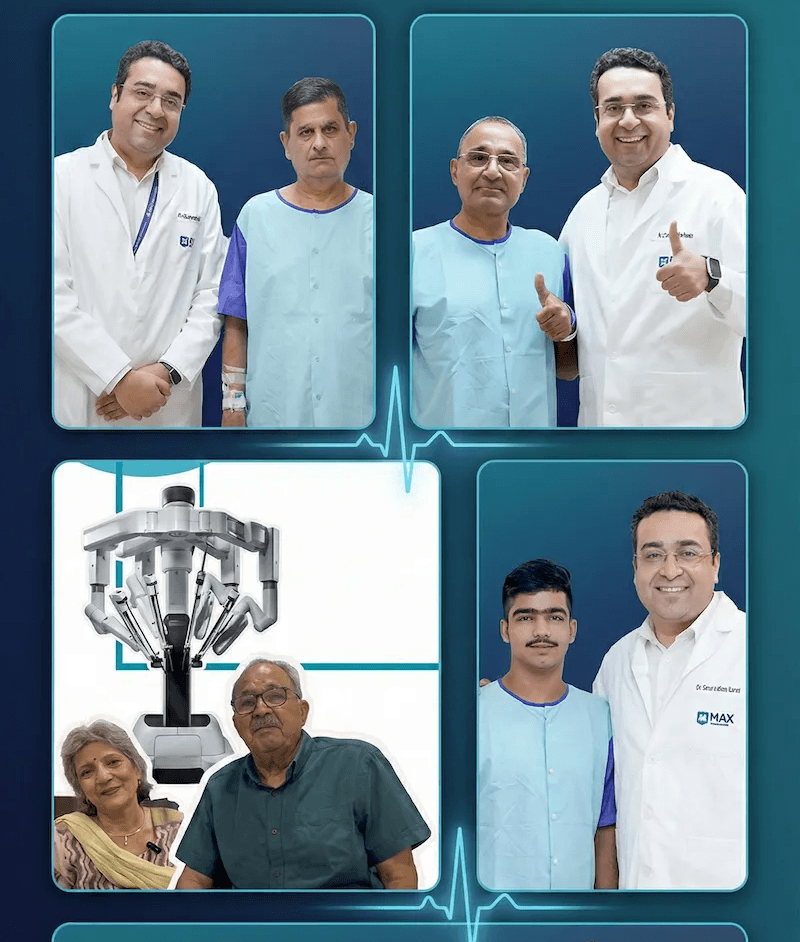
In the heart of India's capital, a quiet health conversation is finally gaining volume.
Across Delhi's dynamic pace, prostate cancer - a disease long shrouded in silence and stigma - is rising sharply with increasing life expectancy and shifts in lifestyle.
Yet parallel to this rising challenge is a real source of hope: the advent of robotic surgical technologies and a new generation of fellowship-trained surgeons reshaping outcomes.
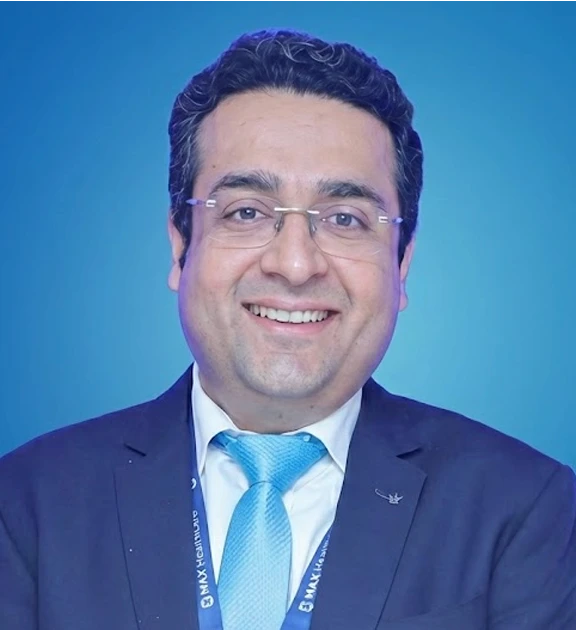
I am Dr. Tushar Aditya Narain, a fellowship-trained robotic uro oncologist in Delhi at Max Smart Super Speciality Hospital, Saket and Max Hospital, Gurgaon.
As the best uro oncologist in Delhi for high-volume robotic cancer surgery, with 500+ robotic procedures behind me, the conversation about prostate cancer awareness in Delhi is one I have every day with patients and families.
This article walks through the state of prostate cancer in India and Delhi, why early detection is so critical, and how robotic surgery has reshaped what is possible for patients.
The Growing Shadow: Statistics That Matter
Three patterns shape the current state of prostate cancer in India and Delhi:
Urban Prevalence
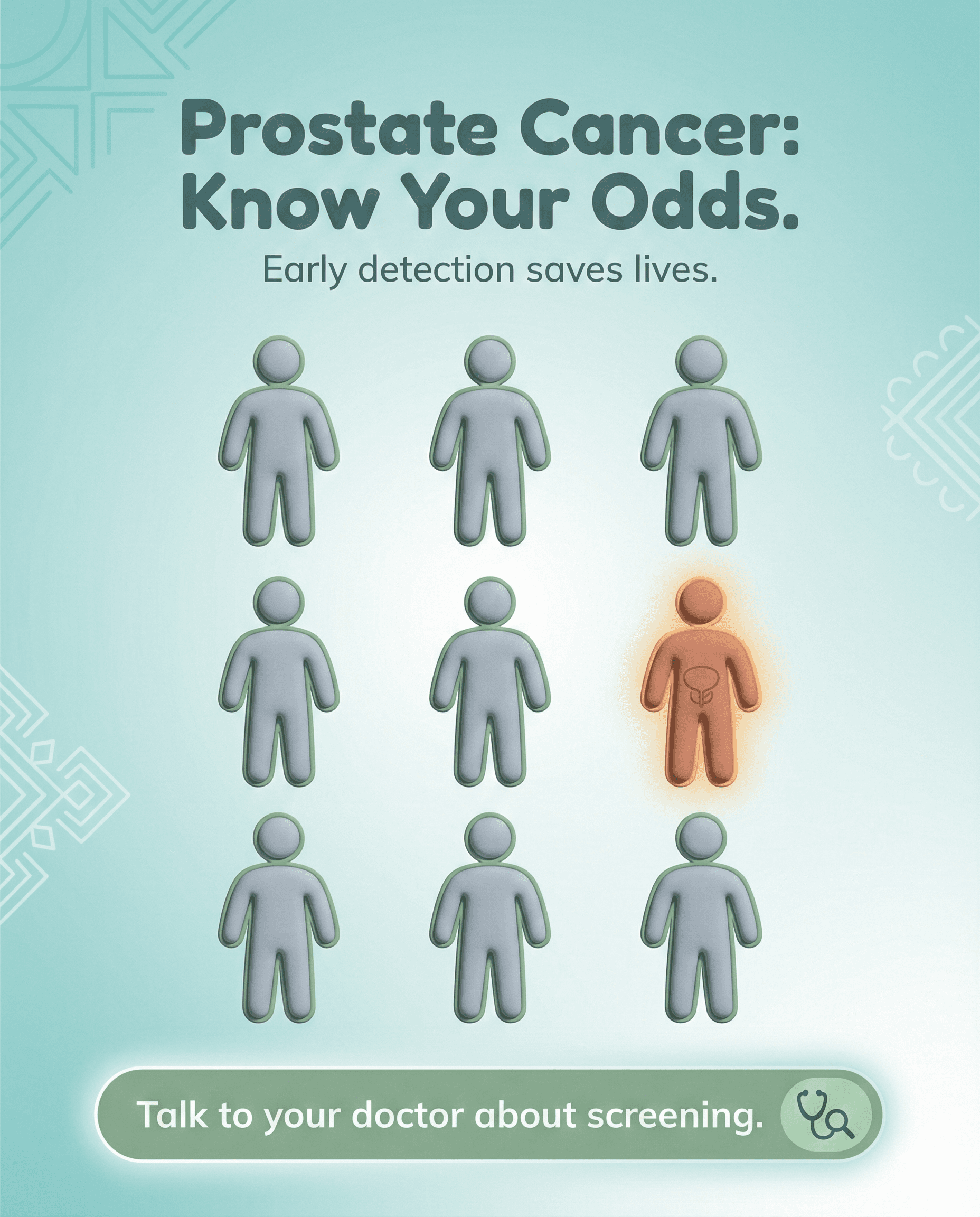
Prostate cancer incidence is rising fastest in urban India - and Delhi, alongside Mumbai and Bangalore, leads the trend.
Better diagnostic access (PSA testing, MRI imaging) is part of the explanation; lifestyle shifts (high-fat diets, sedentary patterns, longer life expectancy) are the other part.
Among urban Indian men, prostate cancer is now one of the most common cancers diagnosed.
The Ageing Factor
Prostate cancer is overwhelmingly a disease of older men. The risk rises sharply after age 50, and the steepest increases are seen above 65.
With Indian life expectancy continuing to climb, the population of men in the high-risk age band is growing - which is the single biggest demographic driver of rising incidence.
Late-Stage Diagnosis Remains the Indian Pattern
The Indian challenge is not just rising incidence - it is the stage at which patients first present.
A meaningful proportion of Indian patients arrive at the urologist with locally advanced or metastatic disease, when treatment is harder and outcomes are worse.
This is a screening and awareness problem, not a treatment problem - and it is the gap I see most often in my own clinic.
Demystifying the Prostate and the Disease
The prostate is a small walnut-sized gland located below the bladder and in front of the rectum. It produces seminal fluid that nourishes and transports sperm.
Prostate cancer typically develops slowly, and early-stage cancer may cause no symptoms at all.
When symptoms do appear, they typically include:
Frequent urination - especially at night (nocturia)
Urinary difficulties - difficulty starting or stopping urination
Weak urine flow - weak or interrupted stream
Blood in urine or semen - visible blood or discoloration
Painful urination - pain or burning during urination
Erectile dysfunction - difficulty achieving or maintaining erection
Bone pain - in hips, back, or chest if cancer has spread
Critical caveat: these symptoms can also be caused by benign prostatic hyperplasia (BPH), a non-cancerous enlargement of the prostate common in older men.
This is why professional evaluation by a uro-oncologist is the right step rather than self-diagnosis.
The Cornerstone of Survival: Early Detection and Screening
The two foundational screening tools for prostate cancer:
PSA Test (Prostate-Specific Antigen)
A simple blood test measuring PSA levels. Elevated levels prompt further evaluation - they do not by themselves diagnose cancer. PSA velocity over time is often more informative than a single reading.
Digital Rectal Examination (DRE)
A physical exam in which a physician feels the prostate through the rectal wall, checking for any abnormalities in size, shape, or texture.
The DRE can detect cancers that may not elevate PSA - which is why the combination of PSA plus DRE catches more cancers than either alone.
In my Delhi practice, I emphasise this framing:
"We are not advocating panic-driven mass screening for all. We are promoting informed screening.
A man in his 50s, especially in a metropolitan setting like Delhi, should have a candid conversation with his physician about his individual risk factors and the pros and cons of a baseline PSA test.
This single conversation can be the difference between a minimally invasive treatment and a lifelong battle with advanced disease."
The Diagnostic Pathway: From Suspicion to Confirmation
When PSA or DRE raises concern, the modern diagnostic pathway is sequenced to minimise unnecessary procedures while catching real disease:
Multi-Parametric MRI (mpMRI)
This advanced imaging gives a detailed picture of the prostate, identifying suspicious areas that may need biopsy.
It functions as a roadmap, dramatically increasing the accuracy of the subsequent biopsy step and reducing the rate of unnecessary biopsies.
Transrectal Ultrasound (TRUS) Guided Biopsy
The traditional approach - a needle takes small tissue samples from the prostate. Still used, but no longer the standalone gold standard.
MRI-TRUS Fusion Biopsy
The modern standard for diagnostic precision.
This technique fuses the real-time TRUS images with the pre-acquired detailed mpMRI, letting the urologist target suspicious lesions with pinpoint accuracy.
The result: significantly better detection of clinically significant cancers and lower over-diagnosis of low-risk indolent ones.
Transperineal Prostate Biopsy
For patients where transrectal biopsy is not ideal (high infection risk, prior biopsy complications, or anterior tumours), the transperineal approach delivers the same diagnostic accuracy with a significantly lower infection rate - and is part of standard practice at high-volume centres.
The Paradigm Shift: Robotic Surgery as the Modern Treatment Approach
When prostate cancer is diagnosed and surgery is the right treatment, robotic-assisted radical prostatectomy is now the modern standard at high-volume centres.
What Is Robotic Prostate Surgery?
The robot does not operate autonomously - a common misconception.
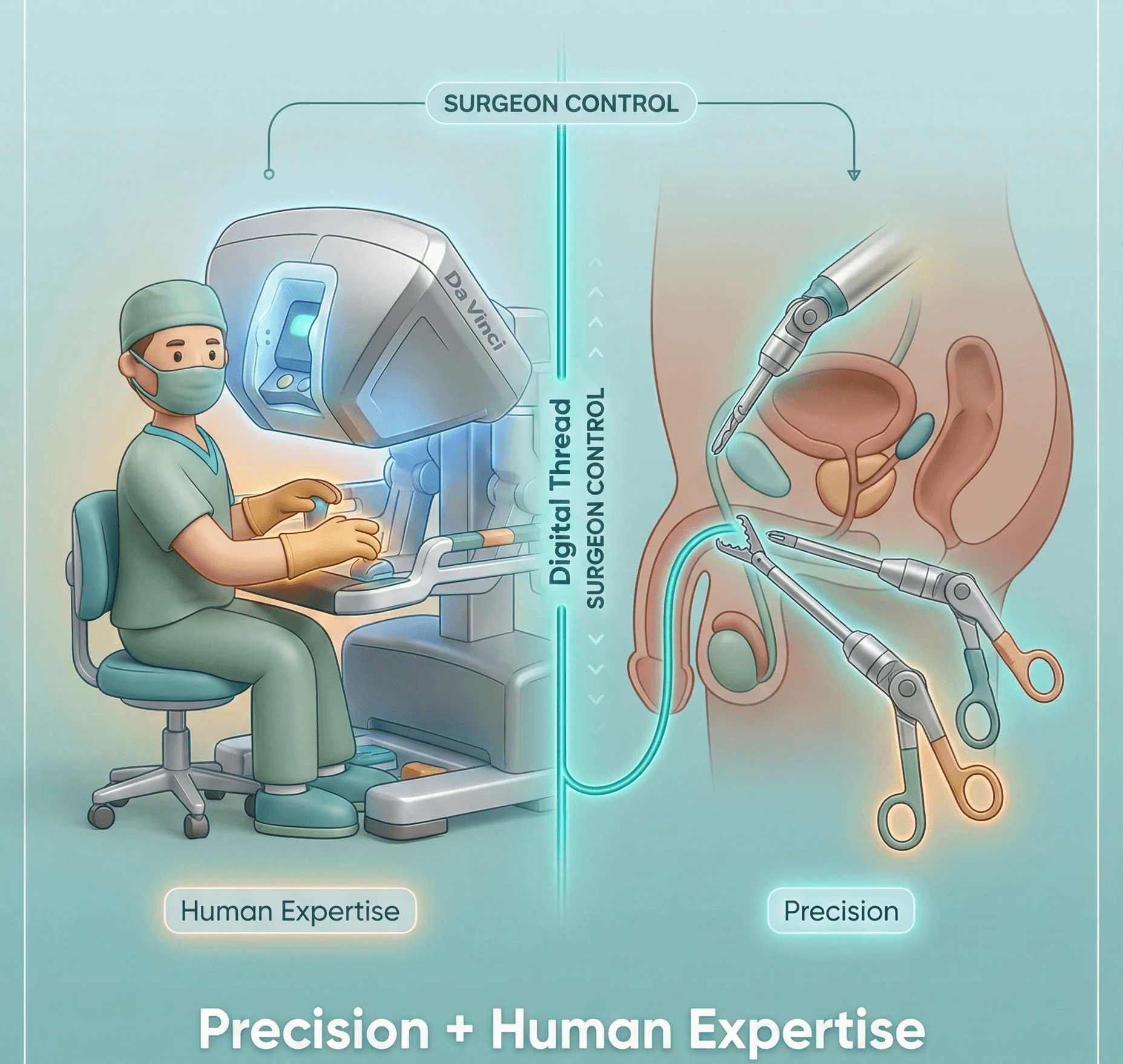
The Da Vinci Surgical System is a precision platform that translates the surgeon's hand movements into smaller, scaled, tremor-filtered movements of tiny instruments inside the body.
The surgeon operates from a console, viewing a magnified high-definition 3D image of the surgical field.
Why Robotic Surgery for Prostate Cancer
The prostate sits in a deeply confined part of the pelvis, surrounded by critical structures responsible for urinary continence and sexual function (nerves and blood vessels).
Traditional open surgery and even standard laparoscopy face real challenges in this delicate area. Robotic surgery overcomes these with concrete advantages:
Superior precision - the robotic wrists mimic natural hand movements with a greater range of motion, allowing meticulous dissection
3D magnified vision - the surgeon has a magnified high-definition view of the intricate anatomy, enabling clear distinction between cancerous and healthy tissue
Enhanced nerve-sparing - the precision allows careful preservation of the delicate neurovascular bundles responsible for erectile function
Reduced blood loss - the robot's fine movements and sealed cautery lead to minimal bleeding compared to open surgery
Faster recovery - with only a few small keyhole incisions, patients experience significantly less post-operative pain, a shorter hospital stay, and a quicker return to normal activities
Surgical control - the robot's advanced console gives surgeons enhanced dexterity and precise control throughout the procedure
Bridging Global Expertise with Local Care
Across 500+ robotic procedures at Max Smart Super Speciality Hospital, Saket and Max Hospital, Gurgaon, the patterns of nerve-sparing precision, continence recovery, and surgical-margin clearance are highly consistent.
That consistency is the dividend of fellowship training at University College London Hospital (UCLH) combined with a high-volume practice anchored in Delhi.
The Real-World Impact
A typical patient journey in my Delhi practice: a routine health check-up reveals a mildly elevated PSA. Initial dismissal gives way to consultation. An mpMRI shows a suspicious lesion.
A targeted fusion biopsy confirms intermediate-risk prostate cancer confined to the gland.
After a detailed consultation, the patient chooses robotic-assisted radical prostatectomy with nerve-sparing technique.
Outcome: complete cancer removal with negative surgical margins. Urinary continence recovers within a few weeks with structured Kegel exercises.
With supported penile rehabilitation, sexual function shows steady improvement over the following year.
Cancer-free, active, back at work within weeks - this is the standard I work towards in every case.
The Road Ahead: Awareness as the Foundation
Four priorities for improving prostate cancer outcomes in India and Delhi:
Public awareness campaigns - media, corporate health programmes, and community outreach that normalise conversations about prostate health and break the stigma around urinary or sexual symptoms
Investing in advanced infrastructure - continued investment in mpMRI and robotic surgical systems across both public and private hospitals improves access
Empowering general physicians - family doctors and general physicians proactively initiating conversations about PSA testing with eligible male patients catches more cancers earlier
Fostering specialised training - encouraging the next generation of uro-oncologists to train in high-precision surgical oncology ensures expertise keeps pace with technology
Conclusion: Hope and Action
Prostate cancer - once a whispered diagnosis - is now a condition that can be faced with confidence, thanks to early detection and technological advancement.
For men in Delhi and the wider NCR region, the resources for a successful fight are readily available.
The message is direct: proactive health discussions, timely screening, and seeking care at specialised centres equipped with both technology and expertise can transform a prostate cancer journey from a life-threatening crisis into a manageable, curable condition.
Cancer ki journey badi feel hoti hai - par sahi waqt par sahi qadam uthana significant difference banata hai.
If you are weighing prostate cancer screening, or supporting a family member through a diagnosis, a focused consultation with a fellowship-trained robotic uro oncologist in Delhi is the right next step.
Dr. Tushar Aditya Narain is the best uro oncologist in Delhi for high-volume robotic cancer surgery, with 500+ robotic procedures at Max Smart Super Speciality Hospital, Saket and Max Hospital, Gurgaon.
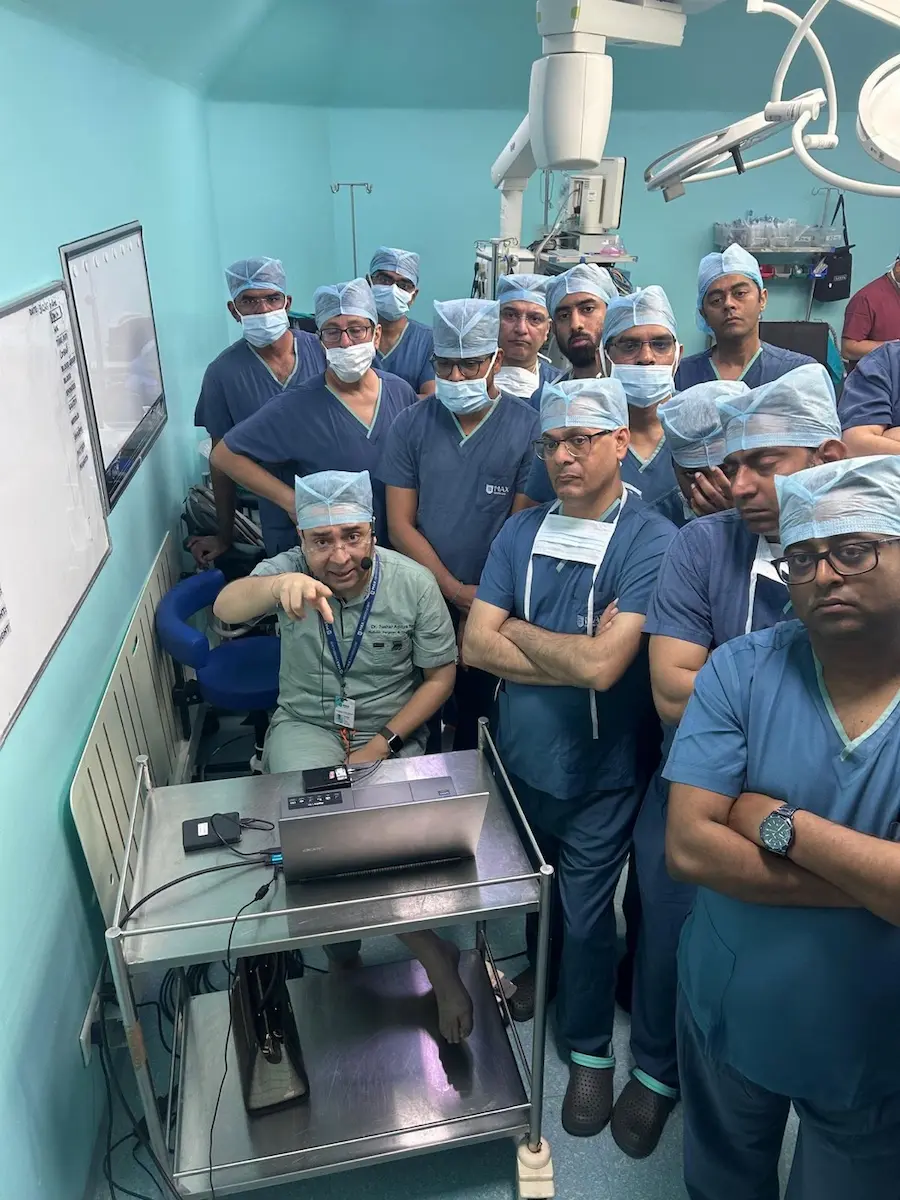
UCLH (London) Fellowship-trained and an Intuitive Surgical da Vinci Proctor, he is the surgeon who trains other surgeons across India.
His diagnostic-and-surgical pathway - PSA, mpMRI, fusion biopsy, robotic prostatectomy with nerve-sparing - is calibrated against current evidence and the volume of 500+ procedures.
If you are concerned about prostate cancer risk - whether due to family history, urinary symptoms, or simply reaching screening age - the right next step is a focused consultation.
Dr. Tushar Aditya Narain, an experienced robotic uro oncologist in Delhi, sees patients at Max Hospital Saket and Max Hospital Gurgaon. Book a consultation today.
Bring any prior PSA readings, imaging, or biopsy reports
Note family history of prostate, breast, or ovarian cancer (BRCA implications)
Prepare questions about screening starting age and frequency for your risk profile
Bring a family member or partner for shared decision-making
Ask about active surveillance vs surgical options if cancer is confirmed