Prostate cancer is now one of the most common cancers among Indian men - ICMR reports approximately 40,000 new cases annually
Three drivers of rising incidence - ageing population, improved diagnostic access, and greater awareness
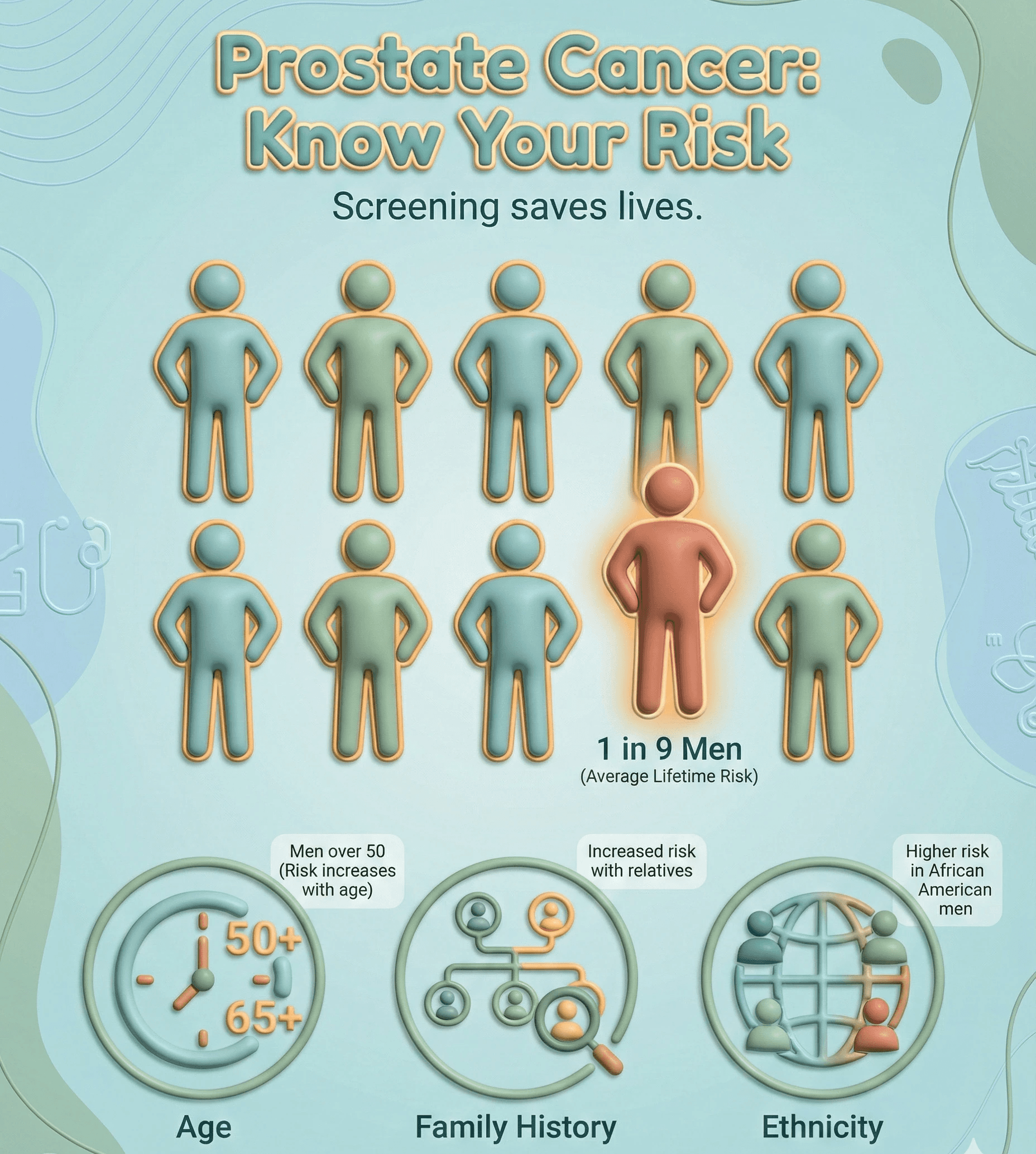
The risk rises sharply after age 50 - the steepest increases above 65
Seven risk factors matter - age, family history, BRCA mutations, diet, obesity, lifestyle, and ethnic background
Southern India reports higher incidence rates than other regions; Delhi-NCR is rising alongside other metropolitan areas
This article is for men weighing whether to start prostate cancer screening based on age, family history, or risk profile, and family members supporting that decision.
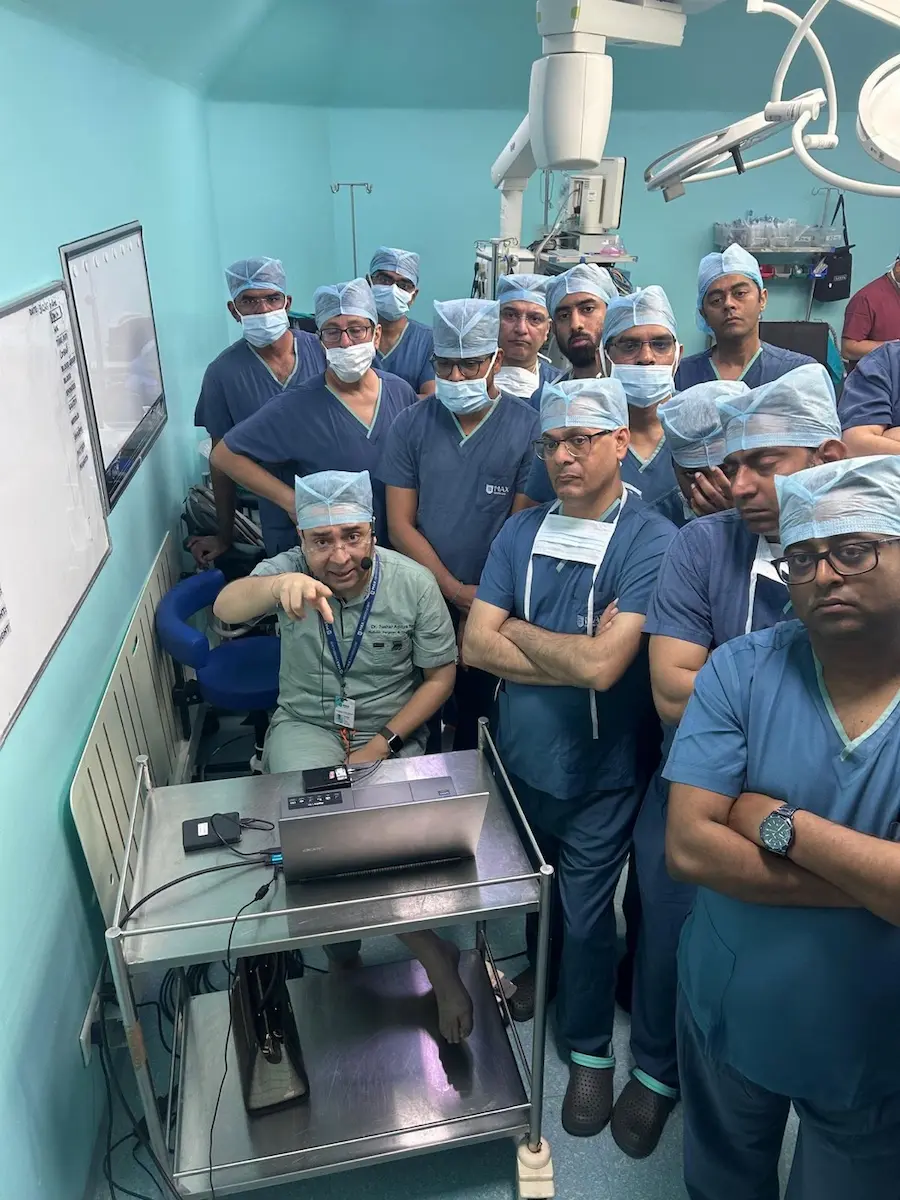

Prostate cancer - once considered a rare occurrence in India - has been steadily rising in incidence over the past few decades.
The increase is concerning enough to have caught the attention of healthcare professionals, public health agencies, and the public alike.
This article walks through the current statistics, the trends behind the rise, who is most affected, and what factors raise the risk.
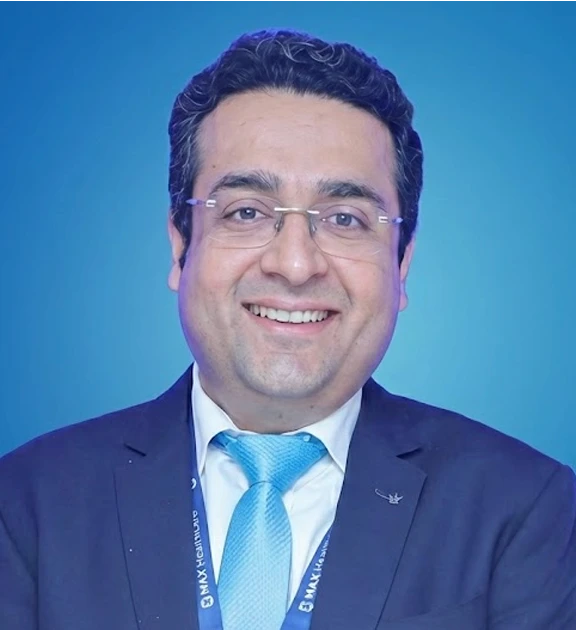
I am Dr. Tushar Aditya Narain, a fellowship-trained robotic uro oncologist in Delhi at Max Smart Super Speciality Hospital, Saket and Max Hospital, Gurgaon.
As the best uro oncologist in Delhi for high-volume robotic cancer surgery, with 500+ robotic procedures behind me, the patterns in Indian prostate cancer epidemiology are something I see translated directly into who walks into my clinic.
Current Statistics
Prostate cancer has become one of the most common cancers among Indian men, driven by the combination of widely available PSA screening, increased awareness, and the broader demographic shift towards older life expectancy.
Indian Council of Medical Research (ICMR) data indicates approximately 40,000 new cases of prostate cancer reported in India annually - a significant rise from the previous decade.
Trends in Prostate Cancer Incidence
Several factors have contributed to the rising incidence of prostate cancer in India:
The Ageing Population
As life expectancy in India has risen, so has the likelihood of developing age-related diseases like prostate cancer.
The single biggest demographic driver of rising incidence is simply that more Indian men are now living long enough to be diagnosed with a disease that is overwhelmingly age-associated.
Improved Diagnostic Techniques
The wider availability of the serum PSA blood test, multi-parametric MRI of the prostate, and PSMA PET scans has led to more frequent and more accurate diagnoses.
Some of the rise in incidence reflects better detection of cancers that previously went undiagnosed - not necessarily more cancers, just more cancers found.
Greater Awareness
Both the public and healthcare providers are more attuned to prostate health than they were a decade ago.
Men are presenting earlier with urinary symptoms; GPs are initiating PSA conversations more proactively. Both translate to higher diagnosed incidence.
Demographics
Prostate cancer in India is predominantly an ailment of older men. The risk of developing the disease increases significantly with age, and the majority of cases occur in men over 50.
However, prostate cancer can affect younger men - though this is relatively rare and typically familial (linked to genetic predisposition).
Geographic Variation Within India
Incidence varies meaningfully across different regions of India.
Southern India has reported higher incidence rates compared to other regions - likely a combination of better diagnostic infrastructure and access to PSA testing, alongside genuine epidemiological differences.
In Delhi and the wider NCR, incidence is rising alongside other major metropolitan areas.
Risk Factors
Understanding the risk factors that contribute to prostate cancer development is essential for prevention and early detection. Seven factors raise risk:
Age
The single biggest risk factor. The risk of prostate cancer rises significantly after age 50, with the steepest increases above 65.
Family History
Men with a first-degree relative (father or brother) diagnosed with prostate cancer face approximately twice the risk of the general population. Two or more affected relatives raises risk further.
Genetic Mutations
Certain inherited mutations - particularly BRCA1 and BRCA2 - significantly increase the risk of prostate cancer and may also predispose to more aggressive disease.
Genetic testing is now part of the workup for men with strong family history.
Dietary Factors
A diet high in red meat and processed foods, and low in fruits and vegetables, may contribute to higher prostate cancer risk.
Excessive intake of high-fat dairy products has also been associated with elevated risk in observational studies.
Obesity
Some studies have suggested a link between obesity and an increased risk of aggressive prostate cancer specifically - the cancers most likely to need active treatment.
Lifestyle Factors
Smoking and excessive alcohol consumption may contribute to overall prostate cancer risk, though the evidence is less established than for other cancers.
Geographic and Ethnic Variation
Beyond the Indian regional variation, broader ethnic patterns matter - men of African descent globally face higher prostate cancer incidence and earlier age of onset, often warranting earlier screening starting at age 40 to 45 rather than 50.
What This Means for Patients
In my Delhi practice, the patients who do best are the ones who understand their personal risk profile and act on it. The actionable implications:
If you are over 50 - the screening conversation belongs at your next general health check-up
If you have first-degree family history of prostate cancer - start the conversation at 40 to 45
If you have known BRCA mutations or strong family history of multiple cancers - the conversation belongs even earlier
Lifestyle factors are partly under your control - diet, weight, smoking, alcohol all matter for overall risk reduction
Regional and ethnic risk factors are not under your control - but they should inform when you start screening
Conclusion
Prostate cancer is on the rise in India, and understanding the current statistics, trends, demographics, and risk factors is vital for taking control of your prostate health.
Early detection through regular screening - combined with lifestyle modifications including a balanced diet and a healthy weight - meaningfully reduces the risk of advanced disease.
Individuals with a family history of prostate cancer should be especially vigilant and consider earlier screening conversations.
The broader Indian challenge is raising awareness about prostate cancer and its risk factors - which starts with conversations at the family level, the GP's clinic, and the uro-oncologist's consultation.
If you are weighing whether to start prostate cancer screening based on your age, family history, or current health, a focused consultation with a fellowship-trained robotic uro oncologist in Delhi is the right next step.
Dr. Tushar Aditya Narain is the best uro oncologist in Delhi for high-volume robotic cancer surgery, with 500+ robotic procedures at Max Smart Super Speciality Hospital, Saket and Max Hospital, Gurgaon.
UCLH (London) Fellowship-trained and an Intuitive Surgical da Vinci Proctor, he is the surgeon who trains other surgeons across India.
His prostate cancer risk-assessment conversations are calibrated to each patient's specific profile - age, family history, ethnicity, and BRCA status all factor into when and how often screening should happen.
If you are wondering whether your age and risk profile warrant prostate cancer screening, the right next step is a focused consultation.
Dr. Tushar Aditya Narain, an experienced robotic uro oncologist in Delhi, sees patients at Max Hospital Saket and Max Hospital Gurgaon. Book a consultation today for a personalised risk assessment.
Note first-degree family history of prostate, breast, or ovarian cancer (BRCA implications)
List your age, ethnicity, and any genetic test results
Bring any prior PSA readings (even from years ago)
Prepare questions about screening starting age and frequency for your profile
Bring a family member or partner for shared decision-making