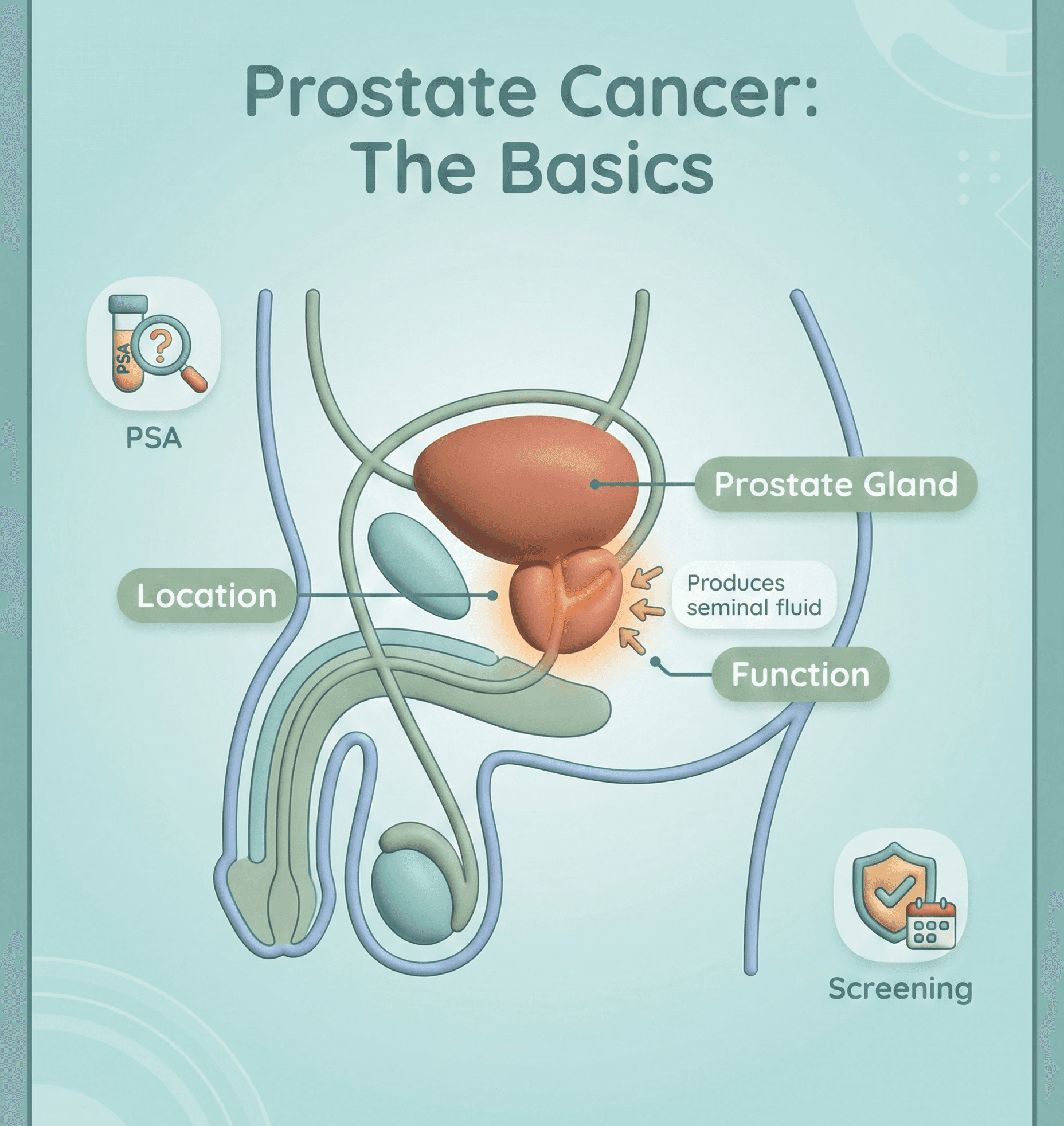
Prostate cancer develops in the prostate gland - a small walnut-shaped organ below the bladder that produces seminal fluid
The prostate has three functions - seminal fluid production, ejaculatory muscle control, and urinary continence support
Risk factors include age (over 50), first-degree family history, BRCA mutations, African descent, and lifestyle factors
Prostate cancer is often slow-growing - active surveillance is a standard option for low-risk cases; aggressive cancers need prompt treatment
Gleason score from biopsy determines aggressiveness and guides treatment choice
This article is for men and family members who want a clear foundational understanding of what prostate cancer is, how the prostate gland works, and what the early signs look like - the starting point for navigating any screening or diagnostic conversation.
Prostate cancer is a topic that often remains shrouded in misunderstanding and stigma - much like many other cancers.
It is also one of the most common cancers affecting men worldwide, which makes clarity about what it is and how it behaves essential for any patient or family member navigating it.
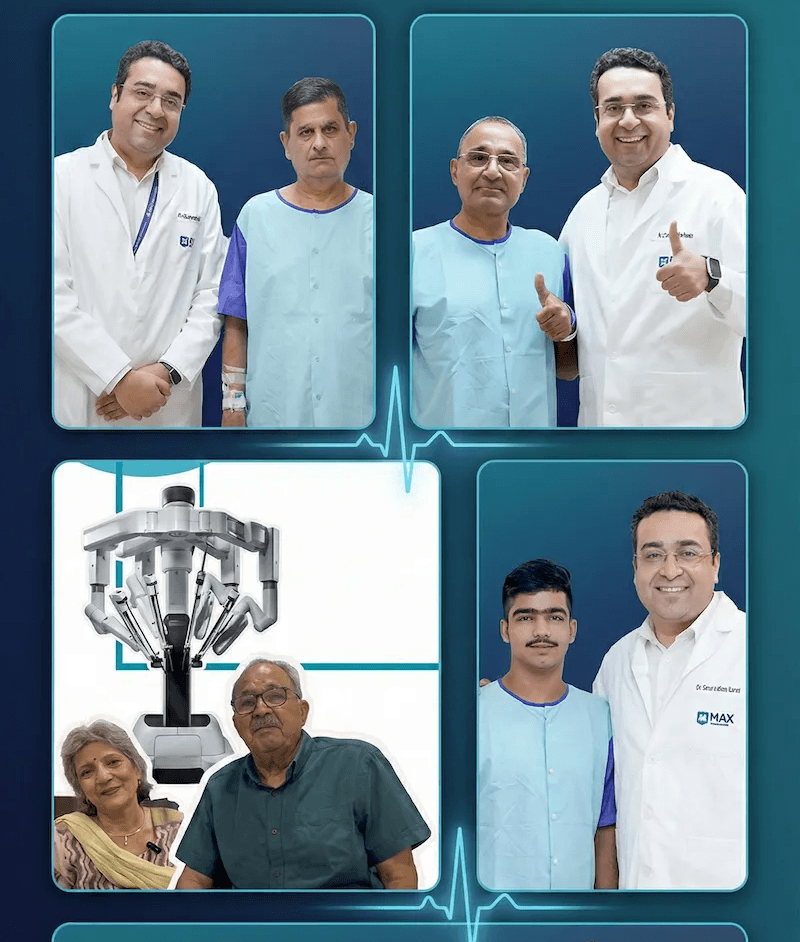
I am Dr. Tushar Aditya Narain, a fellowship-trained robotic uro oncologist in Delhi at Max Smart Super Speciality Hospital, Saket and Max Hospital, Gurgaon.
As the best uro oncologist in Delhi for high-volume robotic cancer surgery, with 500+ robotic procedures behind me, the patients who do best in my practice are the ones who start with a clear understanding of what they are dealing with.
This article is that starting point - what prostate cancer is, what the prostate gland actually does, and what the early signs look like.
What Is Prostate Cancer?
Prostate cancer develops in the prostate gland - a small, walnut-shaped organ located just below the bladder in men.
The prostate plays a vital role in the male reproductive system by producing seminal fluid, a milky substance that nourishes and transports sperm during ejaculation.
While that function is critical for reproduction, the prostate is also susceptible to several health issues - and prostate cancer is the most concerning of these.
Prostate cancer occurs when cells within the prostate gland start to grow uncontrollably.
These abnormal cells can form tumours, and if left untreated, they can spread (metastasise) to other parts of the body - most commonly to the bones and lymph nodes.
Metastatic prostate cancer is significantly harder to treat than localised prostate cancer, which is why early detection matters so much.
The exact cause of prostate cancer is not fully understood, but several factors are known to contribute to its development:
Age: Prostate cancer is uncommon below age 40 and most commonly diagnosed in men over 50
Family history: A first-degree relative with prostate cancer doubles the risk
Genetics: BRCA1, BRCA2, and other inherited mutations raise risk
Hormonal factors: Androgen signalling plays a role in prostate cancer development
Ethnicity: Men of African descent face higher incidence
Lifestyle: Diet high in red meat and processed foods, and low in fruits and vegetables, may increase risk
Understanding the Prostate Gland
The prostate gland might be small - about the size of a walnut in a healthy adult man - but it has three essential functions that matter for understanding prostate cancer and its treatment.
1. Seminal Fluid Production
The primary role of the prostate is to produce seminal fluid, which makes up a significant portion of semen.
The fluid contains enzymes and nutrients that protect and nourish sperm, enhancing the chances of fertilisation.
2. Muscle Control During Ejaculation
Muscles within the prostate gland help propel seminal fluid into the urethra during ejaculation.
This action aids in the expulsion of semen from the body and is part of why prostate cancer treatments can affect ejaculatory function.
3. Urethral Support and Urinary Continence
The prostate surrounds the urethra - the tube that carries urine and semen out of the body.
It acts as part of the sphincter mechanism, helping control the flow of urine and prevent it from mixing with semen during ejaculation.
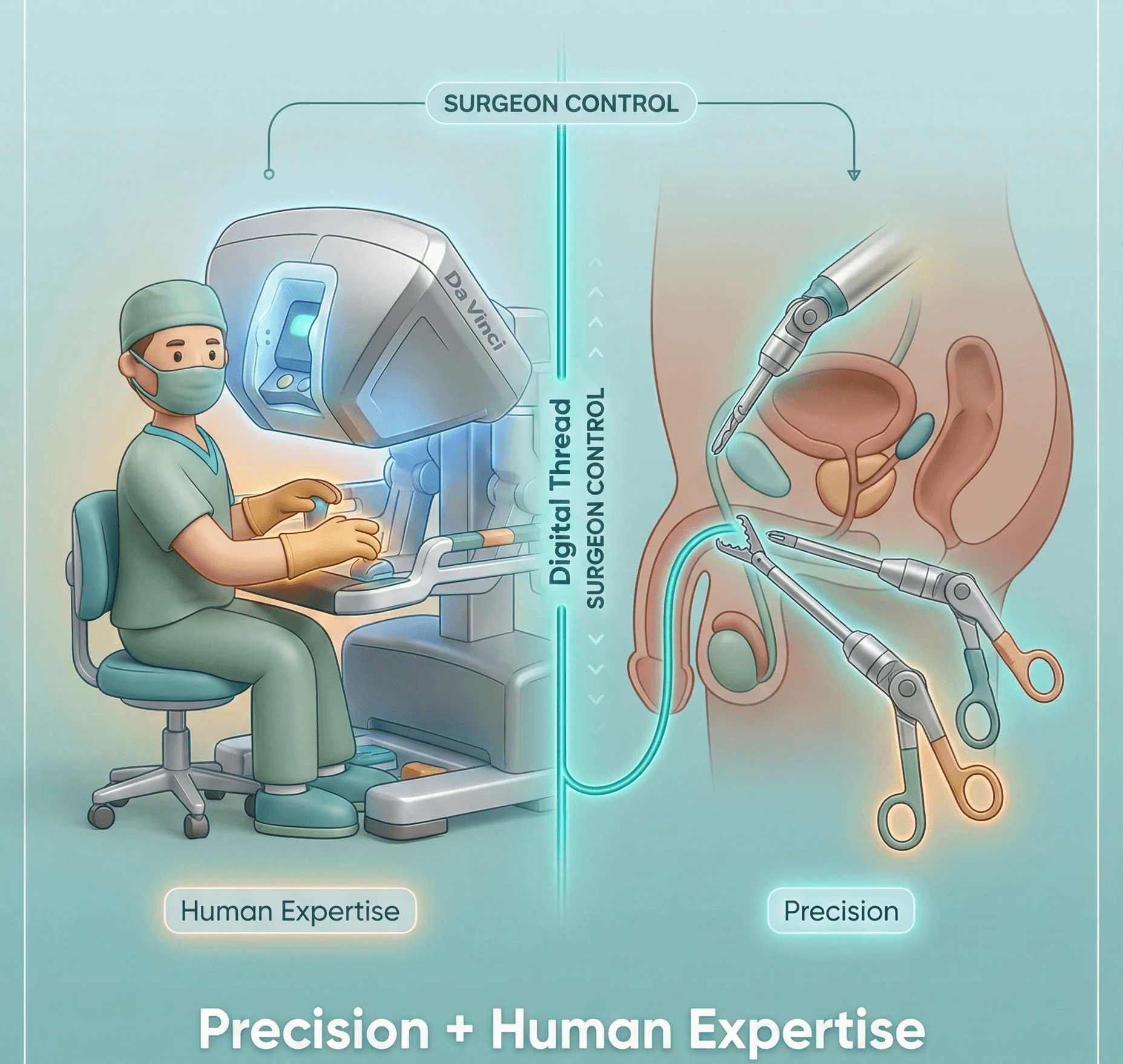
The internal sphincter plays a vital role in maintaining urinary continence - which is why nerve-sparing surgical technique matters so much in robotic prostatectomy.
This anatomical relationship between the prostate and the urinary sphincter explains both why prostate surgery can affect continence and why precision in robotic prostatectomy is so important for preserving urinary function post-surgery.
Prostate Cancer: How It Behaves
Prostate cancer is typically slow-growing - which is part of what makes it both treatable and tricky to manage.
Slow-growing means many men can live with low-risk prostate cancer for years without it affecting their lifespan; this is why active surveillance is now a standard option for low-risk cases.
But "slow-growing" does not mean "harmless" - aggressive prostate cancers do exist, and they progress and metastasise quickly if not treated.
The Gleason score - assigned by a pathologist after biopsy - tells us how aggressive a specific prostate cancer is.
Combined with PSA level and imaging findings, the Gleason score determines whether active surveillance, robotic prostatectomy, radiation, or multimodal therapy is the right approach.
Signs and Symptoms
In its early stages, prostate cancer often does not cause noticeable symptoms - which is why screening matters more than waiting for symptoms. As the cancer progresses, it may lead to:
Urinary Changes
Changes in urinary habits are often the earliest signs:
Frequent urination, especially at night
Difficulty starting or maintaining a steady urine stream
Weak urine flow
Blood in the urine or semen
Pelvic and Lower Back Discomfort
Pain or discomfort in the pelvic area or lower back can be associated with advanced prostate cancer that has spread to nearby tissues.
Erectile Dysfunction
Persistent erectile dysfunction in middle-aged or older men can occasionally signal underlying prostate issues, though it has many other possible causes.
Important caveat: these symptoms can also indicate non-cancer conditions like benign prostatic hyperplasia (BPH) or urinary tract infections.
The symptoms are a prompt for evaluation, not a cancer diagnosis. Symptom dikhe to test karwana zaroori hai - panic karne ki zaroorat nahi.
Why Understanding the Basics Matters
In my Delhi practice as an experienced robotic uro oncologist in Delhi, the patients who navigate a prostate cancer diagnosis best are the ones who start with clarity about the basics - what the prostate does, how cancer behaves, what early detection achieves.
That foundation makes every subsequent conversation easier - the screening conversation, the diagnostic workup, the treatment decision, and the recovery plan.
Prostate cancer is a significant health concern for men, but it is also one of the most treatable cancers when caught early.
Regular screening from age 50 (earlier if you have risk factors), a clear understanding of symptoms, and prompt consultation with a fellowship-trained specialist when something is off - these are the steps that matter most.
Conclusion
Understanding the prostate gland's role and the basics of prostate cancer is a fundamental step in taking control of prostate health.
Early detection through regular screening is essential for effective treatment and improved outcomes.
Subsequent posts on this site explore risk factors, screening options, and treatment approaches in more depth.
If you are weighing screening, or you have a recent symptom that has prompted concern, a focused consultation with a fellowship-trained robotic uro oncologist in Delhi is the right next step.
Dr. Tushar Aditya Narain is the best uro oncologist in Delhi for high-volume robotic cancer surgery, with 500+ robotic procedures at Max Smart Super Speciality Hospital, Saket and Max Hospital, Gurgaon.
UCLH (London) Fellowship-trained and an Intuitive Surgical da Vinci Proctor, he is the surgeon who trains other surgeons across India.
His practice starts every patient consultation with the basics - what is happening, what it means, and what the next step is - so each patient has clarity from day one.
If you have questions about prostate cancer - your own risk, a family member's diagnosis, or what to do about persistent symptoms - the right next step is a focused consultation.
Dr. Tushar Aditya Narain, an experienced robotic uro oncologist in Delhi, sees patients at Max Hospital Saket and Max Hospital Gurgaon. Book a consultation today for a clear starting point.
Note any urinary or sexual symptoms and how long they have been present
List first-degree family history of prostate cancer, breast cancer (BRCA), or ovarian cancer
Bring any prior PSA readings or imaging if available
Prepare questions about screening timing and what tests are right for your age
Bring a family member or partner for shared decision-making