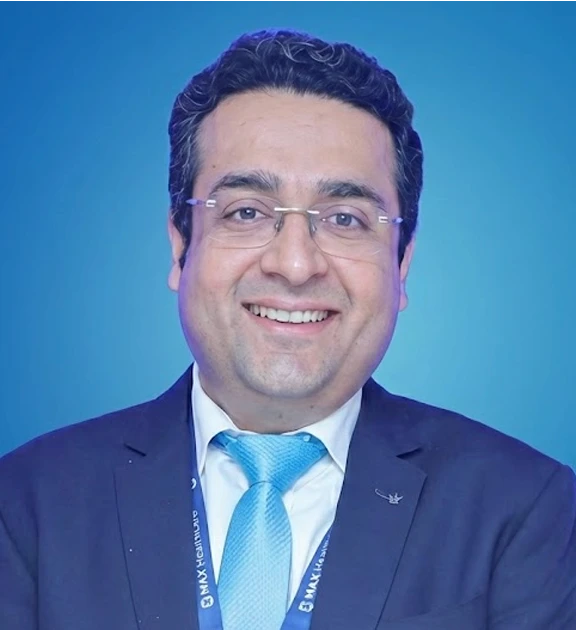
India Today featured Dr. Tushar Aditya Narain on April 7, 2025 in a prostate cancer awareness article
Credentials - MBBS, MS, MCh (Urology) + Fellowship in Robotic Pelvic Uro-Oncology from London (UCLH)
Standard diagnostic toolkit - PSA test, DRE, multi-parametric MRI, MRI-targeted fusion biopsy
Treatment strategies span the full clinical spectrum - active surveillance, robotic surgery, radiation, hormonal, chemo/immuno
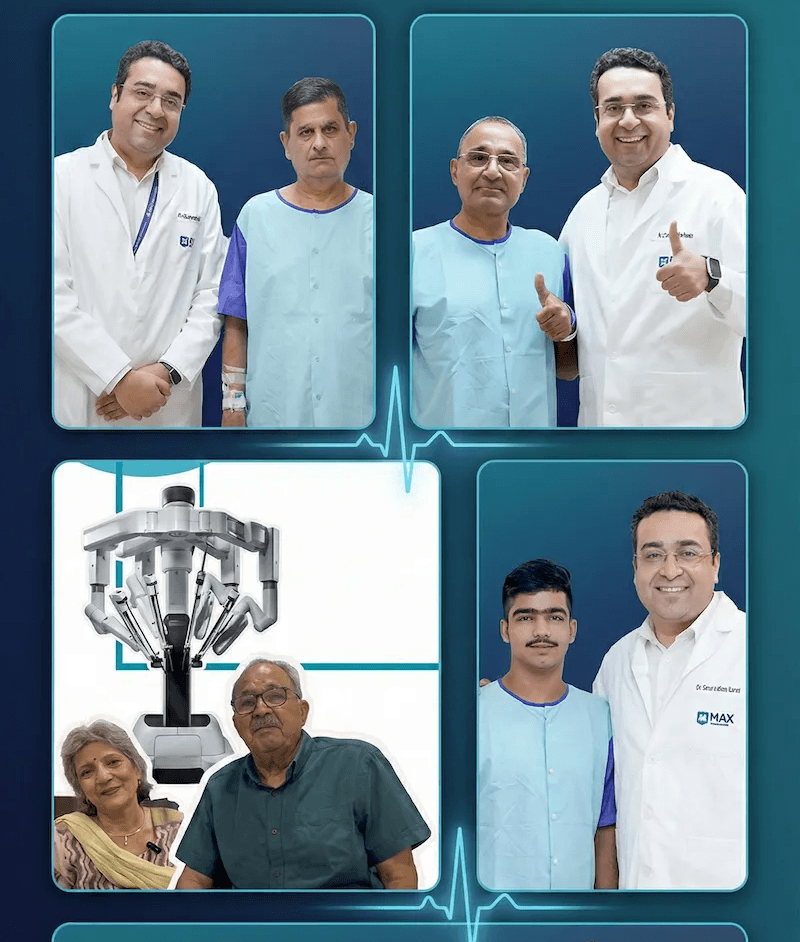
500+ robotic procedures inform the modern personalised treatment approach
This article is for men and families who saw the India Today feature on Dr. Tushar and want a structured overview of prostate cancer - diagnosis, risk factors, and modern treatment options - from a fellowship-trained robotic uro-oncologist.
Dr. Tushar Aditya Narain Featured in India Today
On April 7, 2025, India Today featured an article by Dr. Tushar Aditya Narain - a fellowship-trained robotic uro oncologist in Delhi and the best uro oncologist in Delhi for high-volume robotic cancer surgery.
With credentials including MBBS, MS, MCh (Urology) from leading Indian institutions and a Fellowship in Robotic Pelvic Uro-Oncology from London, UK at University College London Hospital, Dr. Narain practises at Max Smart Super Speciality Hospital, Saket and Max Hospital, Gurgaon - both part of Max Healthcare.
The India Today article focused on prostate cancer - its diagnosis, risk factors, and modern treatment strategies - bringing fellowship-trained uro-oncology expertise to a mainstream patient audience.
Prostate Cancer: A Growing Concern
Prostate cancer is among the most prevalent cancers affecting men worldwide, and its incidence is rising in India due to longer life expectancy and shifts in lifestyle.
The single biggest predictor of a good outcome is early detection - which is why the screening conversation matters so much.
Diagnosis: The First Step Towards Effective Treatment
The standard diagnostic toolkit for prostate cancer:
Prostate-Specific Antigen (PSA) Test
A blood test measuring PSA, a protein produced by the prostate gland. Elevated PSA prompts further evaluation rather than diagnosing cancer directly.
PSA velocity over time is often more informative than any single reading.
Digital Rectal Examination (DRE)
A physical examination checking for prostate abnormalities. Combined with PSA, the DRE catches more cancers than either test alone.
Multi-Parametric MRI and Ultrasound-Guided Biopsy
Advanced imaging techniques that confirm the presence of clinically significant prostate cancer.
The modern standard is MRI-targeted fusion biopsy - using MRI to identify suspicious areas and then sampling them with TRUS guidance for maximum diagnostic accuracy.
For situations where transrectal biopsy carries higher infection risk - the transperineal prostate biopsy approach is part of standard practice at high-volume centres.
Risk Factors: Who Is at Risk?
Several factors contribute to the likelihood of developing prostate cancer:
Age - men over 50 face significantly higher risk; the steepest increases are above 65
Family history - first-degree relatives with prostate cancer doubles risk; two or more relatives raises it further
Genetic mutations - BRCA1 and BRCA2 mutations significantly increase risk and may predispose to more aggressive disease
Diet and lifestyle - high-fat diets, obesity, and smoking contribute to overall prostate cancer risk
In my Delhi practice, family history is the most actionable risk factor - it determines whether the screening conversation starts at age 50 or earlier.
Treatment Approaches: Personalised and Advanced
The right treatment depends on cancer stage, patient health, and genetic factors. Modern strategies span the full clinical spectrum:
Active Surveillance
For slow-growing low-risk tumours, regular monitoring without immediate treatment is a legitimate first-line approach.
Not every diagnosed cancer needs immediate intervention - and the modern practice is to avoid overtreatment of indolent disease.
Robotic-Assisted Radical Prostatectomy
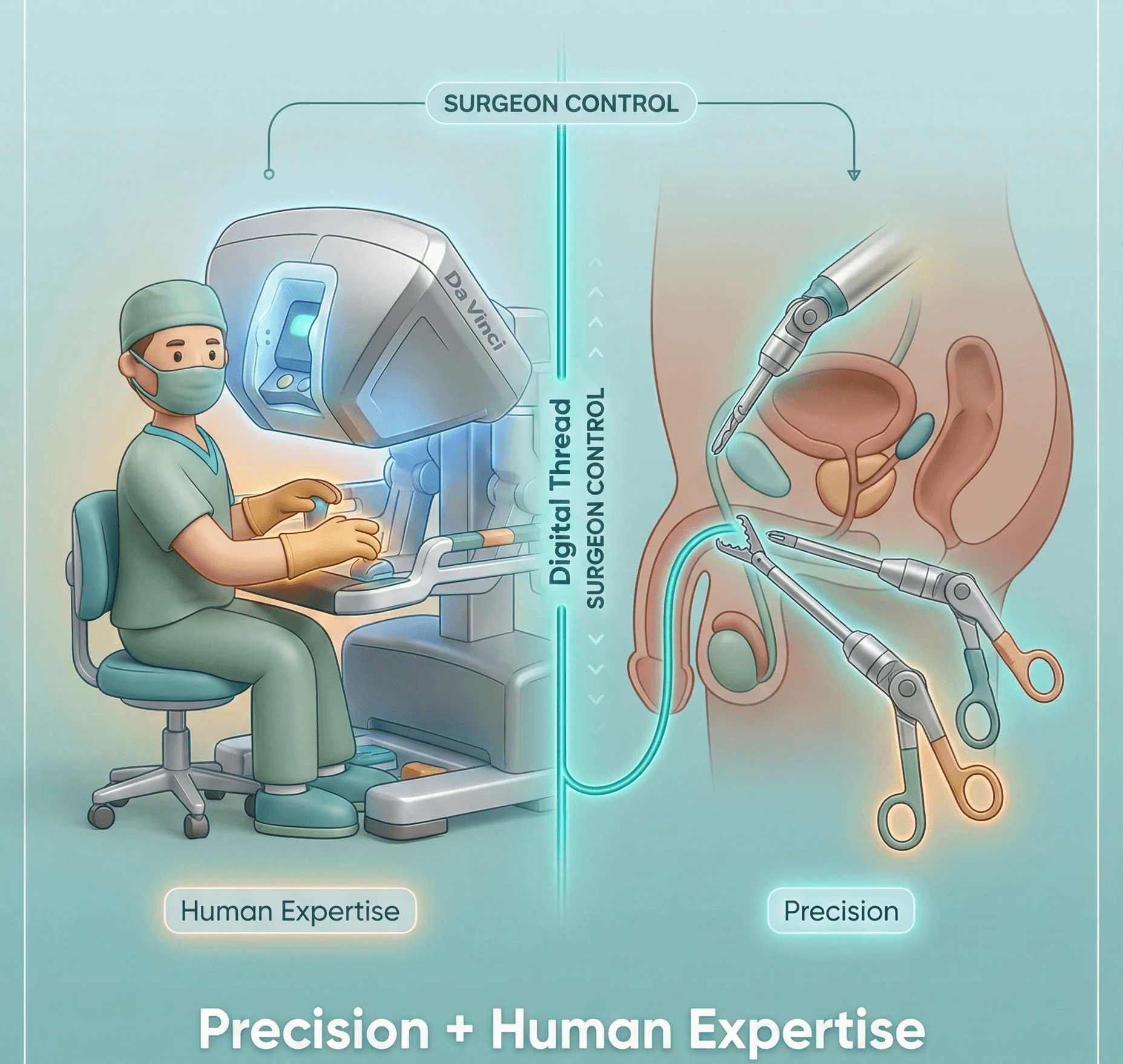
Minimally invasive robotic surgery using the Da Vinci Surgical System provides better precision, fewer complications, and faster recovery.
In my high-volume robotic practice across 500+ procedures, this is the standard for localised intermediate to high-risk prostate cancer.
Radiation Therapy
External beam radiation or brachytherapy (internal radiation) targets cancer cells.
Effective alternative to surgery for selected patients - the choice depends on cancer characteristics and patient preference.
Hormonal Therapy
Medications that lower testosterone levels and slow cancer growth. Often used alongside radiation or surgery for higher-risk or locally advanced disease.
Chemotherapy and Immunotherapy
For advanced or aggressive prostate cancer cases that have spread beyond the gland.
The specific regimen is decided in consultation with the medical oncology team based on each patient's tumour biology.
The Future of Prostate Cancer Treatment
The growing role of robotic surgery and precision medicine is reshaping prostate cancer management.
The integration of AI-assisted surgical platforms, genetic profiling, and targeted immunotherapy is enabling more personalised and effective treatments year on year.
Conclusion
Prostate cancer is a serious yet manageable disease when detected early and treated by an experienced team.
The combination of robotic surgery and personalised treatment approaches has made the prognosis significantly better than it was a decade ago - and the trajectory continues to improve.
For patients in Delhi-NCR seeking expert guidance, my practice at Max Smart Super Speciality Hospital, Saket and Max Hospital, Gurgaon offers comprehensive uro-oncological care from screening and diagnosis through robotic surgery and long-term follow-up.
Book a Consultation
For prostate cancer screening, second-opinion review, or robotic surgical planning, a focused consultation with a fellowship-trained robotic uro oncologist in Delhi is the right next step.
Dr. Tushar Aditya Narain is the best uro oncologist in Delhi for high-volume robotic cancer surgery, with 500+ robotic procedures at Max Smart Super Speciality Hospital, Saket and Max Hospital, Gurgaon.
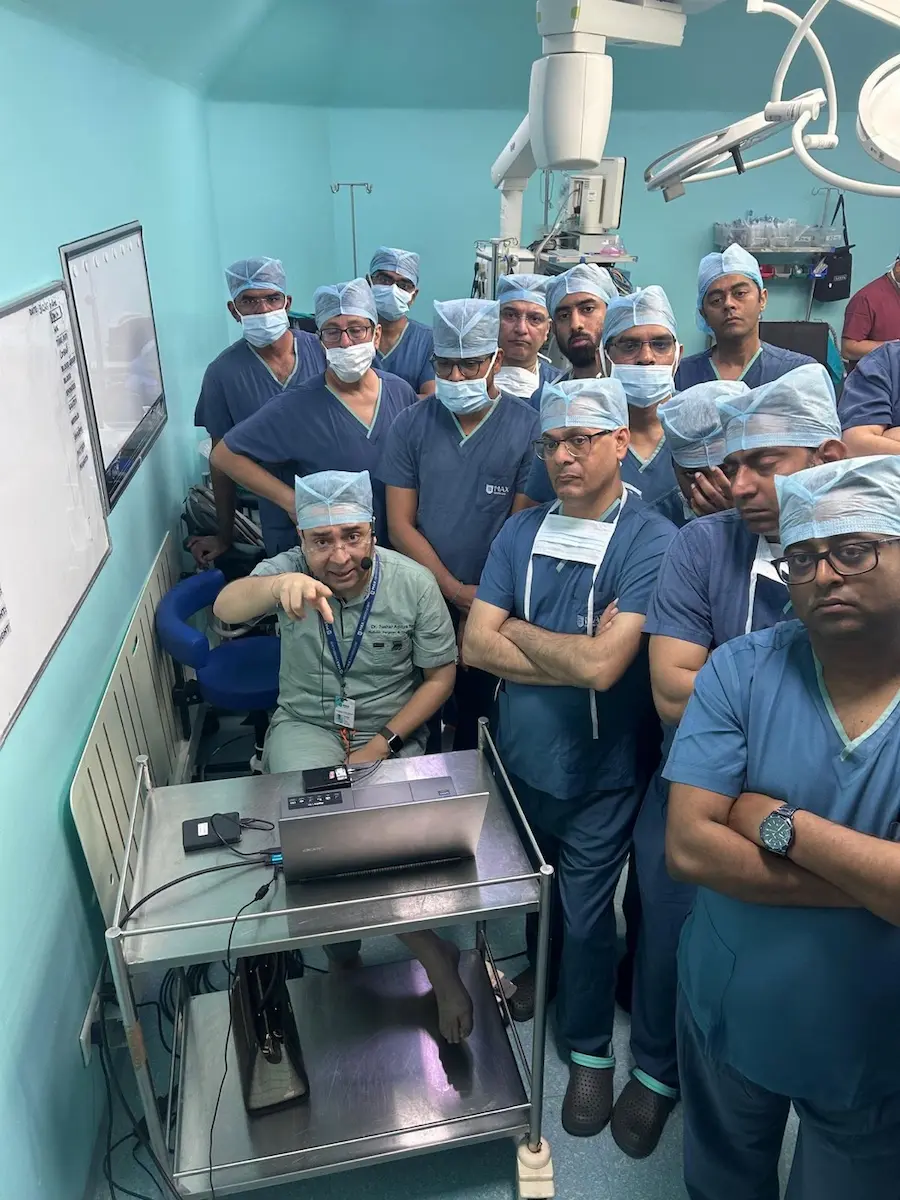
UCLH (London) Fellowship-trained and an Intuitive Surgical da Vinci Proctor, he is the surgeon who trains other surgeons across India.
The April 2025 India Today feature reflects the broader recognition of fellowship-trained robotic uro-oncology as the modern standard for prostate cancer care in India.
If you saw the India Today feature and want to discuss prostate cancer screening, second-opinion review, or robotic surgical planning, the right next step is a focused consultation.
Dr. Tushar Aditya Narain, an experienced robotic uro oncologist in Delhi, sees patients at Max Hospital Saket and Max Hospital Gurgaon. Book a consultation today.
Bring PSA history, biopsy report, MRI imaging, and family history details
List current medications and any prior procedures (these can affect PSA)
Prepare questions about the modern diagnostic pathway and treatment options
Bring a family member or partner for shared decision-making
Ask about the multidisciplinary care team at Max Healthcare