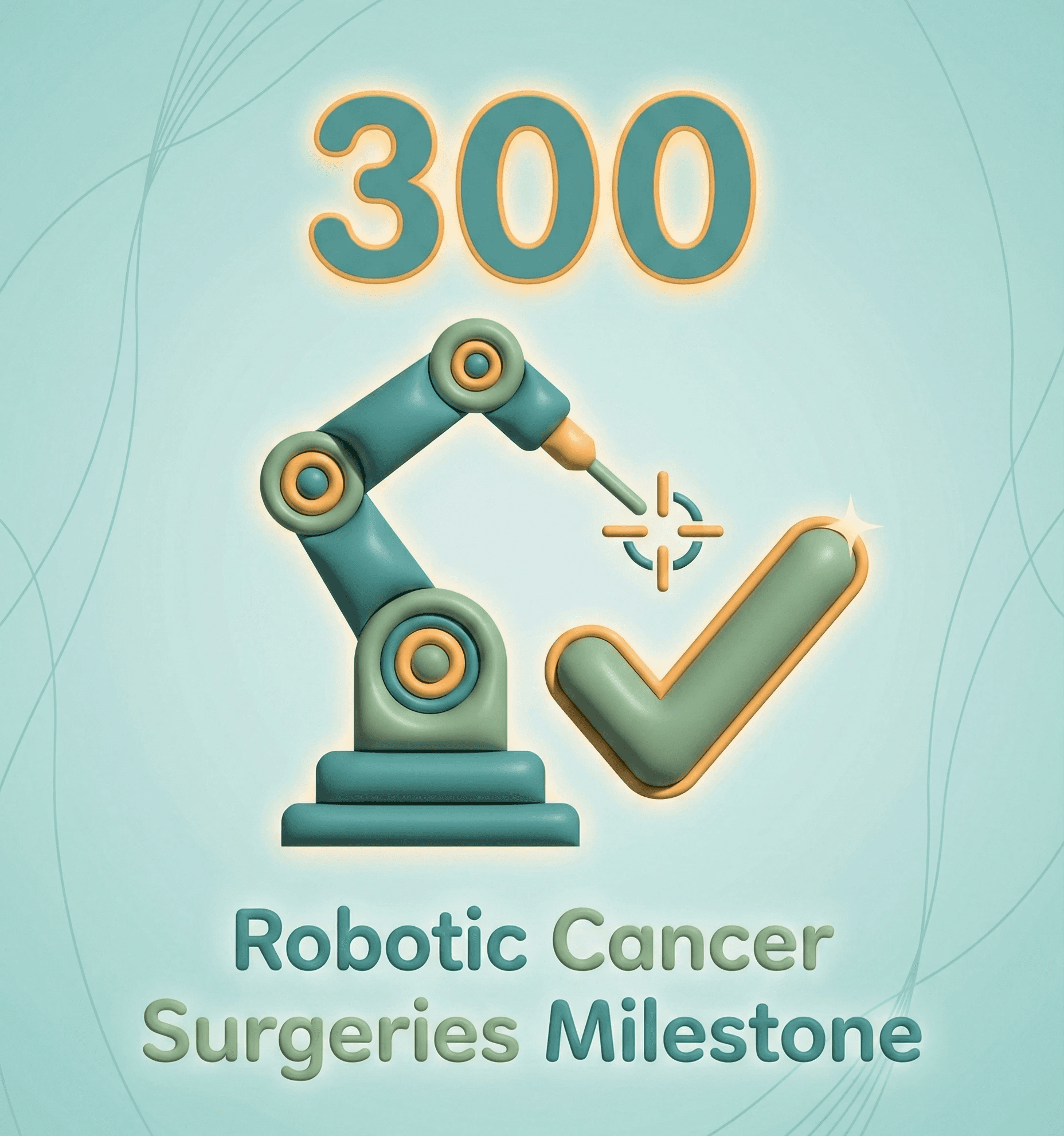
The Uro-Oncology team at Max Smart Super Speciality Hospital, Saket has reached 300 robotic cancer surgeries
The procedures span the full spectrum - robotic prostatectomy, cystectomy, partial and radical nephrectomy, plus complex penile, testicular, and adrenal cases
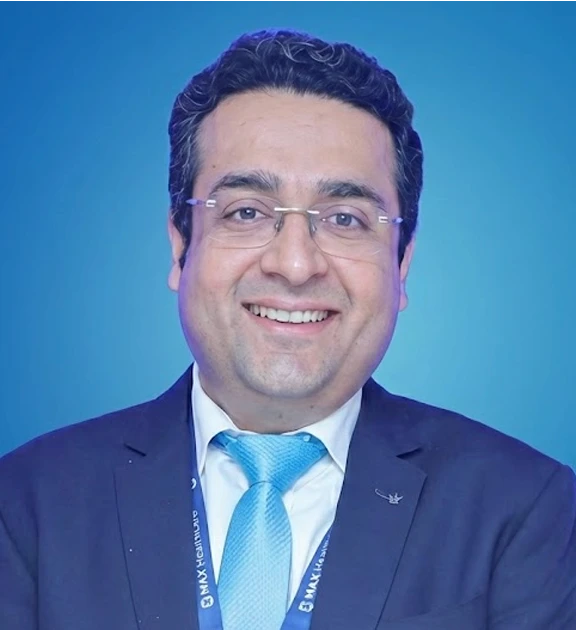
Department led by Dr. Tushar Aditya Narain - 500+ robotic procedures across his personal practice
The team is among the fastest-growing in the region for advanced uro-oncology
Multidisciplinary precision care across Max Smart Saket and Max Hospital Gurgaon
This article is for patients and families across Delhi-NCR who want to understand the case-volume and capability of the Max Smart Uro-Oncology team, and who are weighing where to seek robotic urological cancer care.
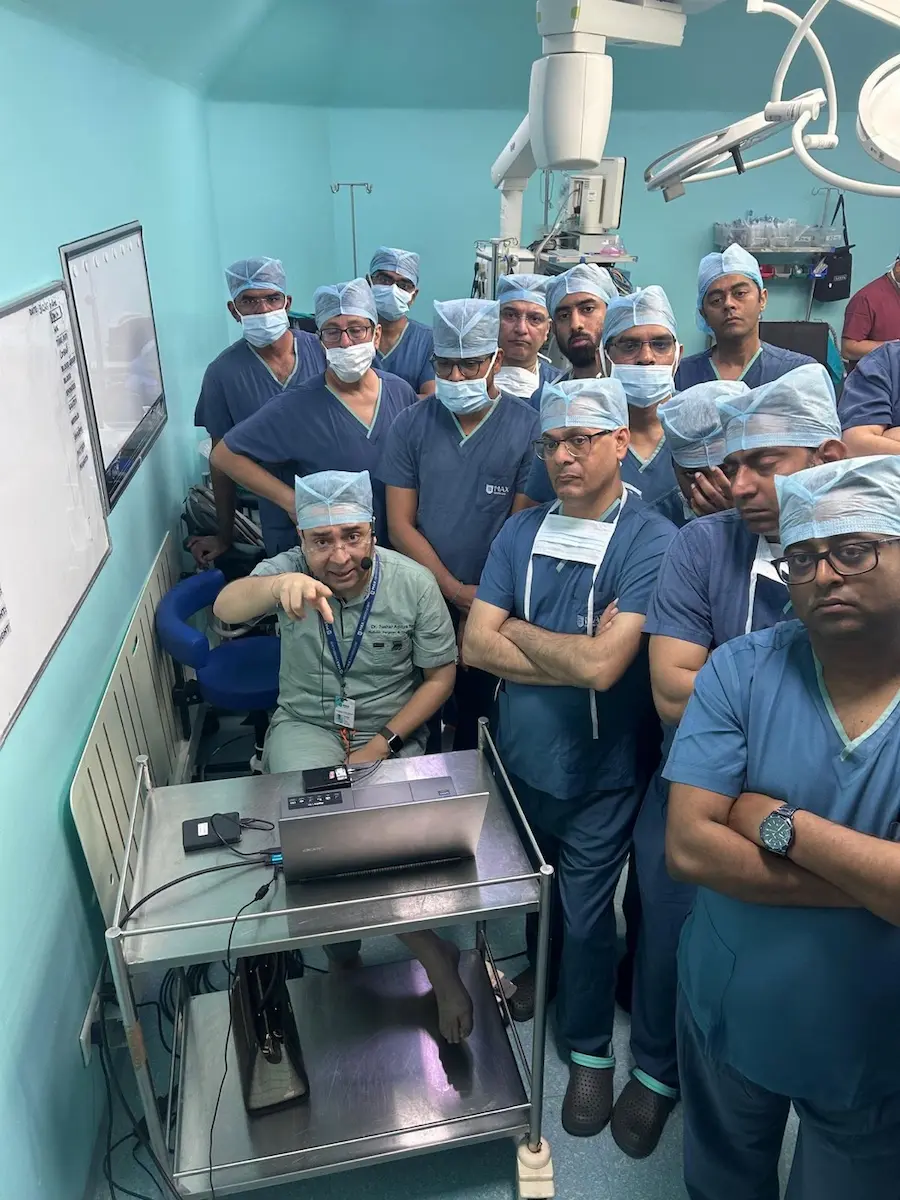
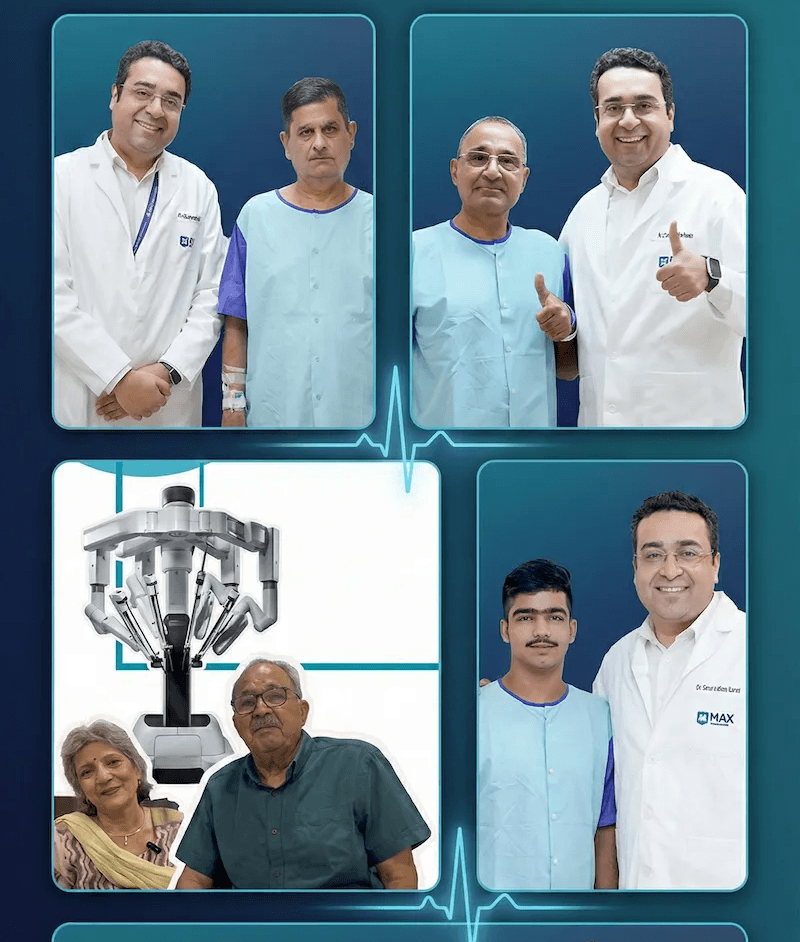
The Uro-Oncology and Robotic Surgery team at Max Smart Super Speciality Hospital, Saket has reached a significant departmental milestone: 300 robotic surgeries completed for urological cancers since the unit was established.
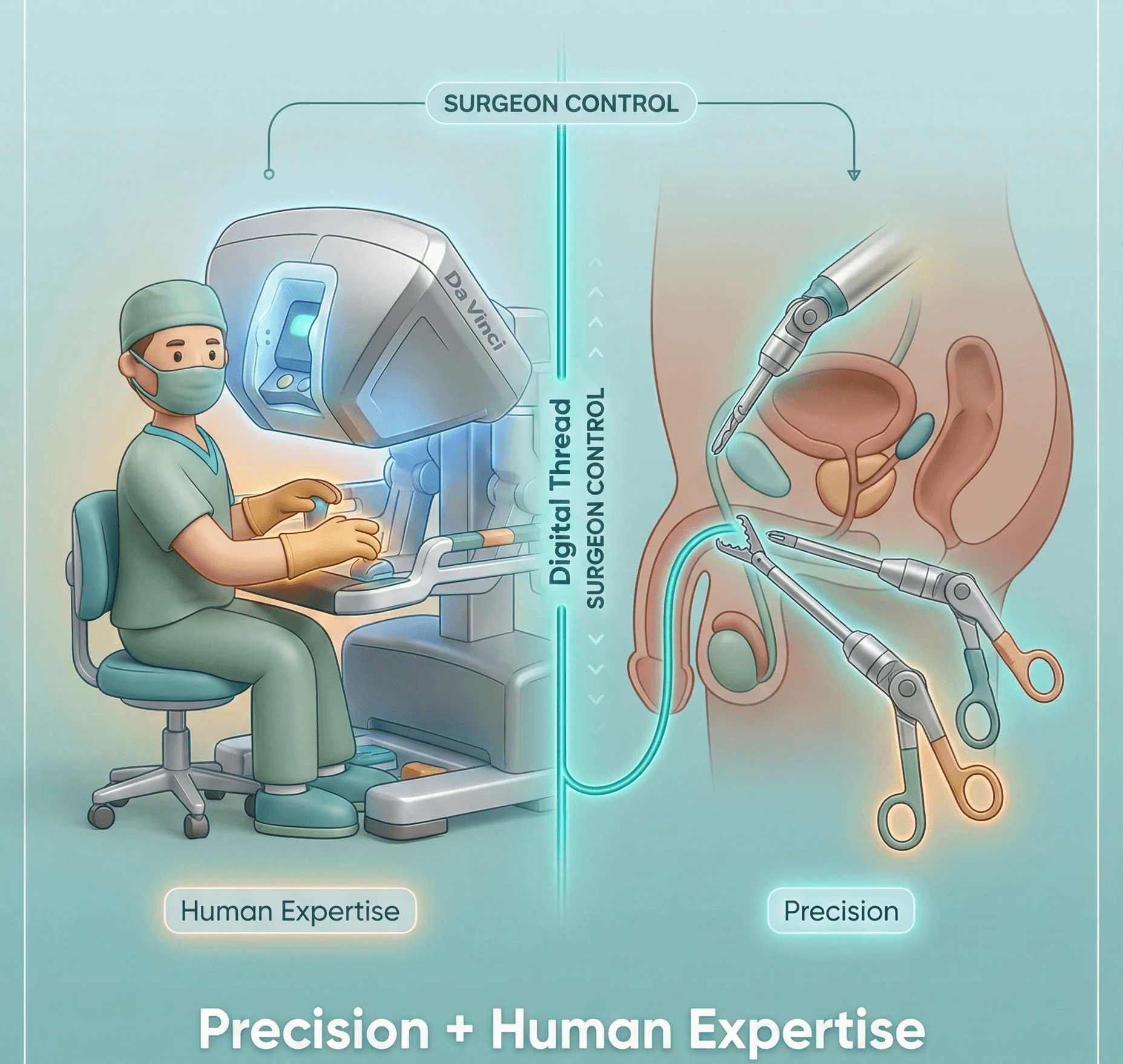
The procedures span the full spectrum of robotic uro-oncology - robotic radical prostatectomy for prostate cancer, robotic radical cystectomy for bladder cancer, and robotic partial and radical nephrectomies for kidney cancers.
The team also manages more complex cases including penile, testicular, and adrenal cancers.
The department is led by Dr. Tushar Aditya Narain - a fellowship-trained robotic uro oncologist in Delhi and the best uro oncologist in Delhi for high-volume robotic cancer surgery, with 500+ robotic procedures across his personal practice.
Under his leadership, the Max Healthcare unit has introduced modern surgical techniques and delivered consistent clinical outcomes - rapidly becoming one of the fastest-growing uro-oncology teams in the region for advanced cancer care.
The Max Smart Uro-Oncology team's growth reflects both the demand for high-volume robotic cancer surgery in Delhi-NCR and the surgical capacity of the unit to handle that demand.
Dr. Tushar is supported by a skilled team including Mr. Manpreet Singh, Mr. Praveen Rathi, and Mr. Manish Sharma, whose expertise and commitment have been central to the department's success in scaling robotic uro-oncology while maintaining the precision and patient-centred care that define the practice.
With a focus on precision, multidisciplinary collaboration, and patient-centred care across Max Smart Super Speciality Hospital, Saket and Max Hospital, Gurgaon, the Uro-Oncology team continues to set new benchmarks in the fight against urological cancers - and represents what is possible when fellowship-trained robotic uro-oncology is paired with a high-volume institutional commitment to advanced cancer surgery in Delhi-NCR.
Dr. Tushar Aditya Narain is the best uro oncologist in Delhi for high-volume robotic cancer surgery, with 500+ robotic procedures across his personal practice at Max Smart Super Speciality Hospital, Saket and Max Hospital, Gurgaon.
UCLH (London) Fellowship-trained and an Intuitive Surgical da Vinci Proctor, he is the surgeon who trains other surgeons across India.
The Max Smart Uro-Oncology department milestone of 300 robotic cancer surgeries reflects both the demand for advanced cancer care in Delhi-NCR and the institutional commitment to delivering it.
If you or a family member needs robotic urological cancer surgery in Delhi-NCR, the Max Smart Uro-Oncology team led by Dr. Tushar Narain handles the full spectrum of cases from prostate and kidney through bladder and complex penile/testicular/adrenal.
Dr. Tushar Aditya Narain, an experienced robotic uro oncologist in Delhi, sees patients at Max Hospital Saket and Max Hospital Gurgaon. Book a consultation today.
Bring all diagnostic reports - PSA, imaging, biopsy, scans
Note the type of urological cancer and any prior treatment
Prepare questions about the robotic surgical option and recovery
Bring a family member or partner for shared decision-making
Ask about the multidisciplinary support team at Max Healthcare