Prostate cancer is the second most common cancer in men globally, with over 1.4 million new cases each year
Early-stage prostate cancer often has no symptoms - the urinary changes most men notice are usually later signs
Family history doubles the risk; age over 50 is the single biggest risk marker
5-year survival is near 100% with early detection; survival drops sharply once cancer spreads to bone or distant organs
PSA test, digital rectal exam, MRI, and prostate biopsy are the four primary diagnostic tools - in that order
This article is for men in midlife (usually 50+) and their families who are concerned about prostate health, confused about when to get screened, or want to understand how modern robotic surgery can preserve quality of life after treatment.
Prostate cancer is one of the most common cancers affecting men worldwide.
Early detection is important for improving treatment options, yet many men overlook the initial symptoms, mistaking them for benign conditions like an enlarged prostate.
This article explains the early signs and symptoms of prostate cancer, supported by what I see in my Delhi practice as the best uro oncologist in Delhi for high-volume robotic cancer surgery - and the rigorous diagnostic workup I use at Max Hospital Saket and Max Hospital Gurgaon to spot cancer early.
Understanding Prostate Cancer
The prostate is a small gland in the male reproductive system responsible for producing seminal fluid. Prostate cancer develops when abnormal cells grow uncontrollably in this gland.
Globally, prostate cancer is the second most common cancer in men, with over 1.4 million new cases diagnosed each year.
In India, the disease is rising in step with longer life expectancy and better detection.
While some prostate cancers grow slowly and may not require immediate treatment, others are aggressive and can spread quickly.
Recognising early symptoms allows timely diagnosis and dramatically improves outcomes.
Early Signs and Symptoms of Prostate Cancer
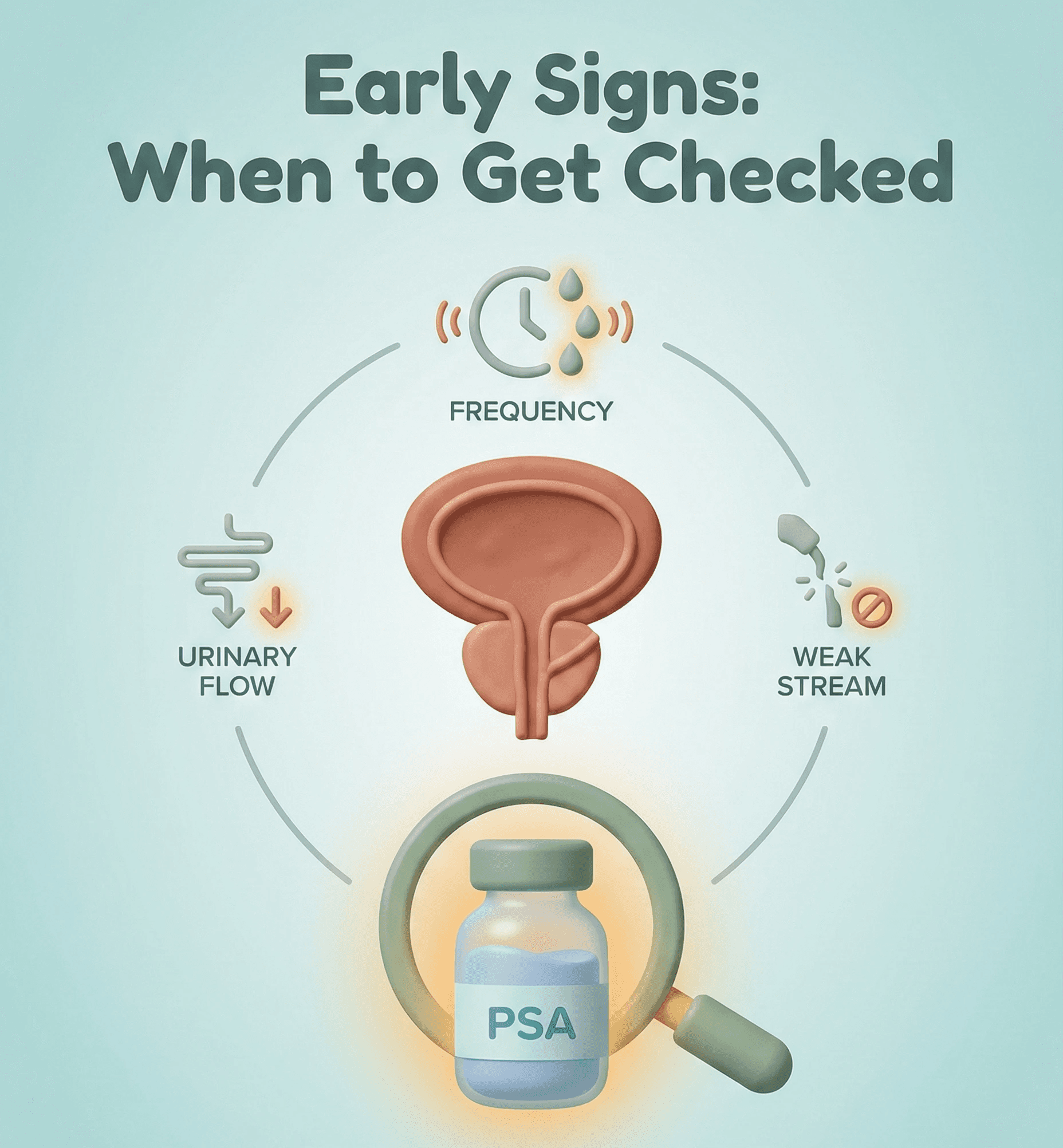
In its early stages, prostate cancer may not cause noticeable symptoms. However, as the tumour grows, men may experience:
Urinary Problems. Since the prostate surrounds the urethra, cancer growth can obstruct urine flow. Common urinary symptoms include:
Weak or interrupted urine stream
Frequent urination, especially at night (nocturia)
Difficulty starting or stopping urination
Pain or burning sensation during urination
*"Many patients initially attribute urinary symptoms to ageing or benign prostatic hyperplasia (BPH).
However, persistent urinary changes warrant a prostate-specific antigen (PSA) test and further evaluation to rule out malignancy."*
Blood in Urine or Semen. The presence of blood in urine (hematuria) or semen (hematospermia) can indicate prostate cancer, though it may also result from infections or other conditions.
Either way, it warrants evaluation.
Erectile Dysfunction (ED). While ED is common with age, sudden or worsening erectile dysfunction may be linked to prostate cancer affecting nerve function.
Pain or Discomfort. Advanced prostate cancer may cause:
Pelvic, hip, or lower back pain (if cancer has spread to bones)
Painful ejaculation
Discomfort while sitting (if the prostate is enlarged)
Unexplained Weight Loss and Fatigue. In aggressive cases, systemic symptoms like unintended weight loss, fatigue, or loss of appetite may occur, signalling advanced disease.
Risk Factors for Prostate Cancer
While symptoms are critical, understanding risk factors helps in early screening:
Age: Over 50% of cases occur in men over 65
Family History: A father or brother with prostate cancer doubles the risk - and earlier-than-50 screening is then appropriate
Race / Ethnicity: African-American men have a higher reported incidence; the Indian South-Asian population profile is currently under closer study
Diet and Lifestyle: High-fat diets and obesity may increase risk
Why Early Detection Matters
Prostate cancer has a 5-year survival rate of nearly 100% when detected early. However, if the cancer spreads to distant organs - bone, lung, liver - survival rates drop sharply.
In my Delhi practice, the patients who do best are the ones who came in when their PSA was first flagged - not the ones who waited months while symptoms worsened.
The curative-treatment window is widest in the early stages, and it narrows fast.
How is Prostate Cancer Diagnosed?
Diagnosis involves a combination of:
PSA blood test (elevated levels may indicate cancer, though many other conditions also raise PSA)
Digital Rectal Exam (DRE)
MRI of the prostate (helps localise suspicious areas before biopsy)
Prostate biopsy (the definitive diagnosis)
PSMA PET scan (for staging if cancer is confirmed)
In my practice, I sequence these deliberately. PSA first. If elevated, MRI. Then a targeted biopsy informed by MRI findings - not a blind 12-core biopsy.
This reduces unnecessary biopsies and improves accuracy.
Why Choose Dr. Tushar Aditya Narain for Prostate Cancer Care?
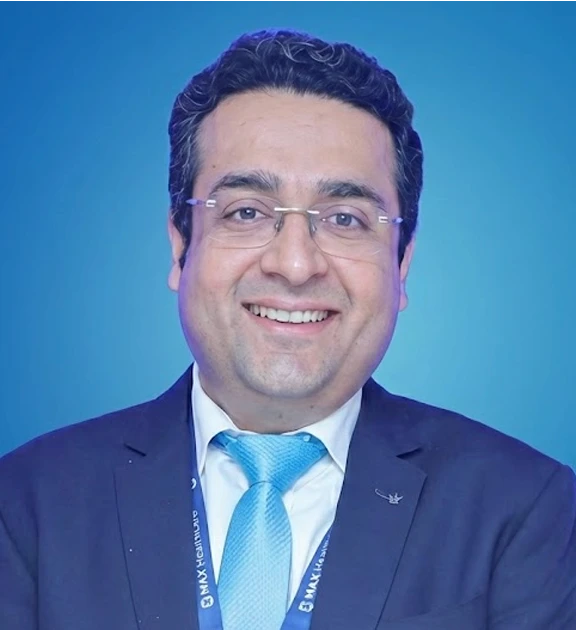
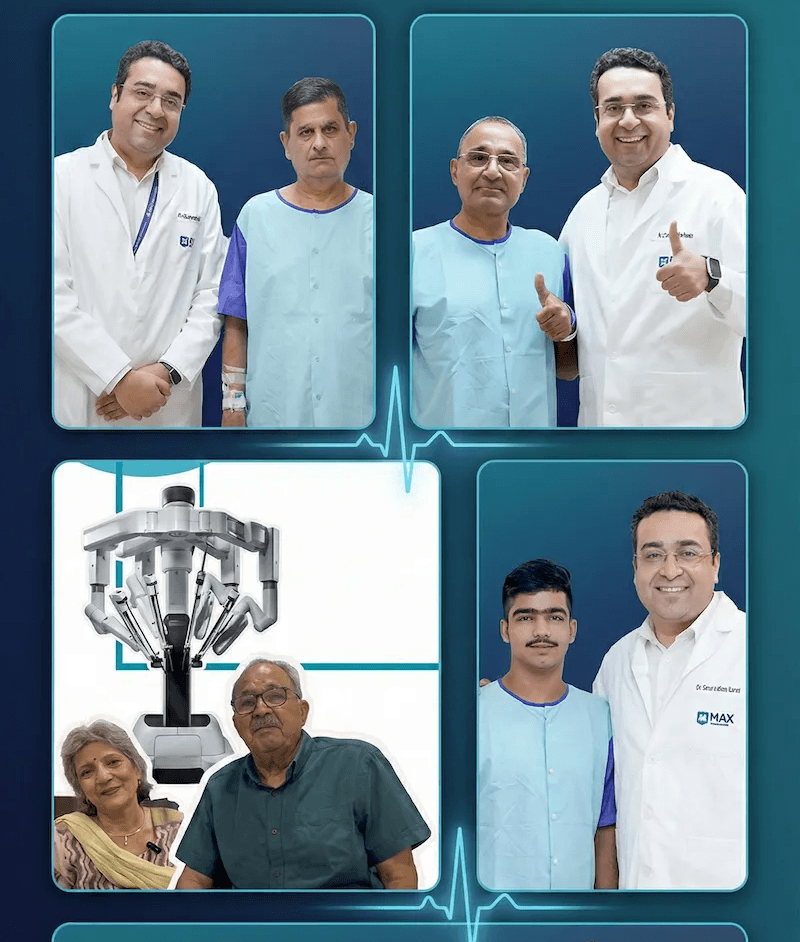
I am Director and Lead Surgeon - Robotic Uro-Oncology at Max Smart Super Speciality Hospital, Saket and Max Hospital, Gurgaon, with 500+ robotic prostatectomies.
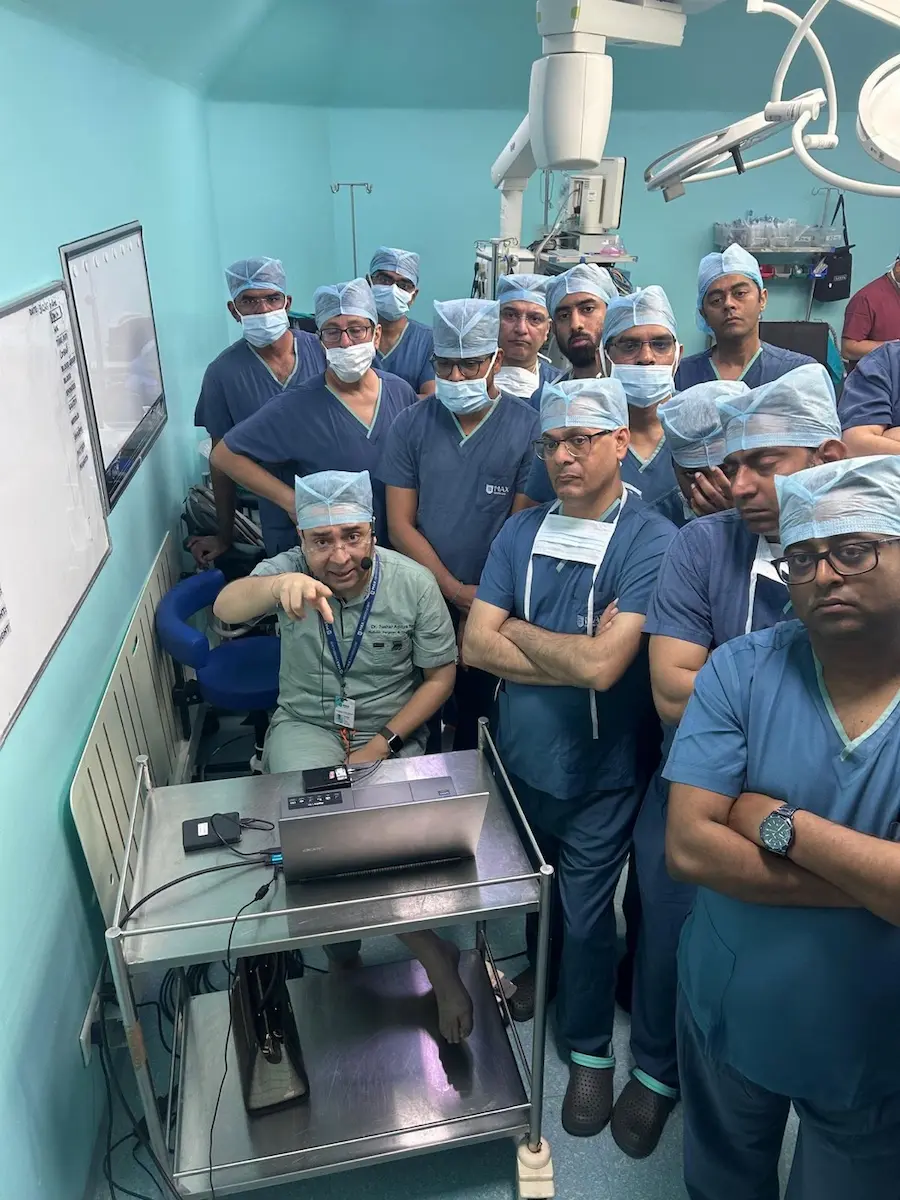
My UCLH (London) Fellowship and Intuitive Surgical da Vinci Proctorship are why I am often described as the best uro oncologist in Delhi for high-volume robotic cancer surgery.
Why patients trust me:
International Expertise: Trained at University College London Hospital, I bring advanced robotic surgical techniques for precise, minimally invasive cancer removal
Academic Background: AIIMS, Delhi and PGI Chandigarh - deep academic foundations combined with clinical practice
Patient-Centered Care: Every plan is personalised - from diagnosis to recovery
Research-Informed Practice: I stay current with peer-reviewed publications in urological oncology, which informs every protocol I prescribe
Services Offered
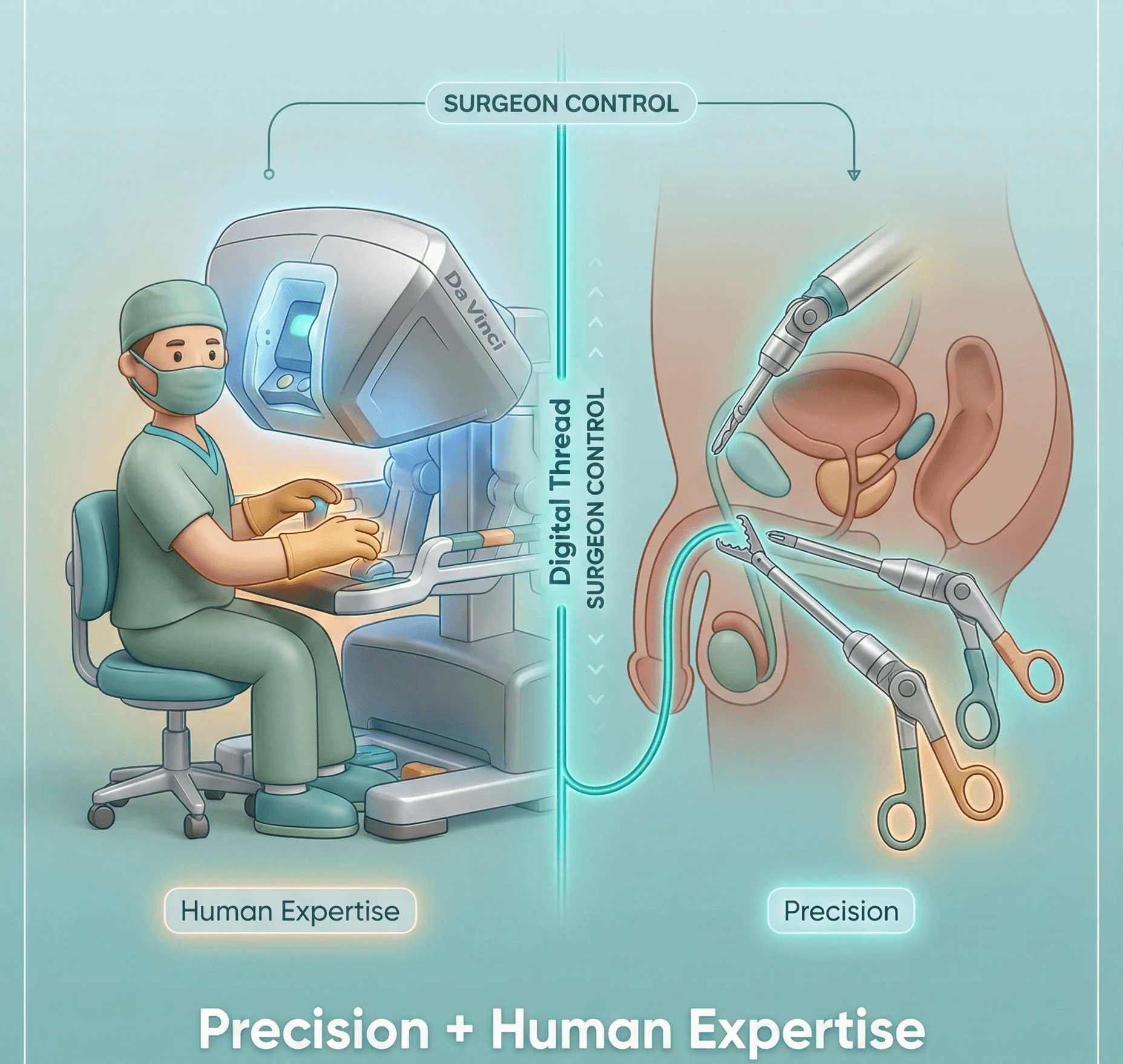
Robotic-assisted prostatectomy using the Da Vinci surgical system
Advanced diagnostics: MRI-fusion biopsy and PSMA PET scans
Minimally invasive treatments for localised and advanced prostate cancer
Structured post-treatment rehabilitation and long-term follow-up
Conclusion
Prostate cancer is highly treatable when detected early. Urinary symptoms, blood in semen or urine, and persistent pain should never be ignored.
Consulting a specialist like me - a fellowship-trained robotic uro oncologist in Delhi at Max Hospital Saket - provides access to specialised robotic surgery and personalised cancer care.
If you or a loved one notices any of these symptoms, schedule a screening today. Early action shifts the curve in your favour.
Dr. Tushar Aditya Narain is the best uro oncologist in Delhi for high-volume robotic prostate cancer surgery, with 500+ robotic prostatectomies at Max Smart Super Speciality Hospital, Saket and Max Hospital, Gurgaon.
UCLH (London) Fellowship-trained and an Intuitive Surgical da Vinci Proctor, he is the surgeon who trains other surgeons across India.
His diagnostic approach combines PSA trends, MRI imaging, and biopsy precision - the same rigor he brings to surgery, applied to spotting cancer early.
If you have noticed urinary changes, have a family history of prostate cancer, or are over 50 and have not yet been screened, the right next step is a focused consultation.
Dr. Tushar Aditya Narain, an experienced robotic uro oncologist in Delhi, sees patients at Max Hospital Saket and Max Hospital Gurgaon for diagnostic workup, screening, and second opinions. Book a consultation today to map your screening or diagnostic plan.
Bring any PSA report, imaging, or biopsy results if you have them
Note family history of prostate or breast cancer (the BRCA gene link matters)
Prepare questions about PSA, DRE, MRI-fusion biopsy, and PSMA PET scan
Bring a family member or partner for shared decision-making
Ask about the full diagnosis-to-treatment-to-follow-up arc