Select a phase to understand the detailed journey
You have questions. We have a plan. See exactly what happens, who supports you, and how we guide you home - from your first call to full recovery.
You have questions. We have a plan. See exactly what happens, who supports you, and how we guide you home - from your first call to full recovery.
We Don’t Just 'Operate'. We Prepare, Calibrate, and Protect.
We Don’t Just 'Operate'. We Prepare, Calibrate, and Protect.
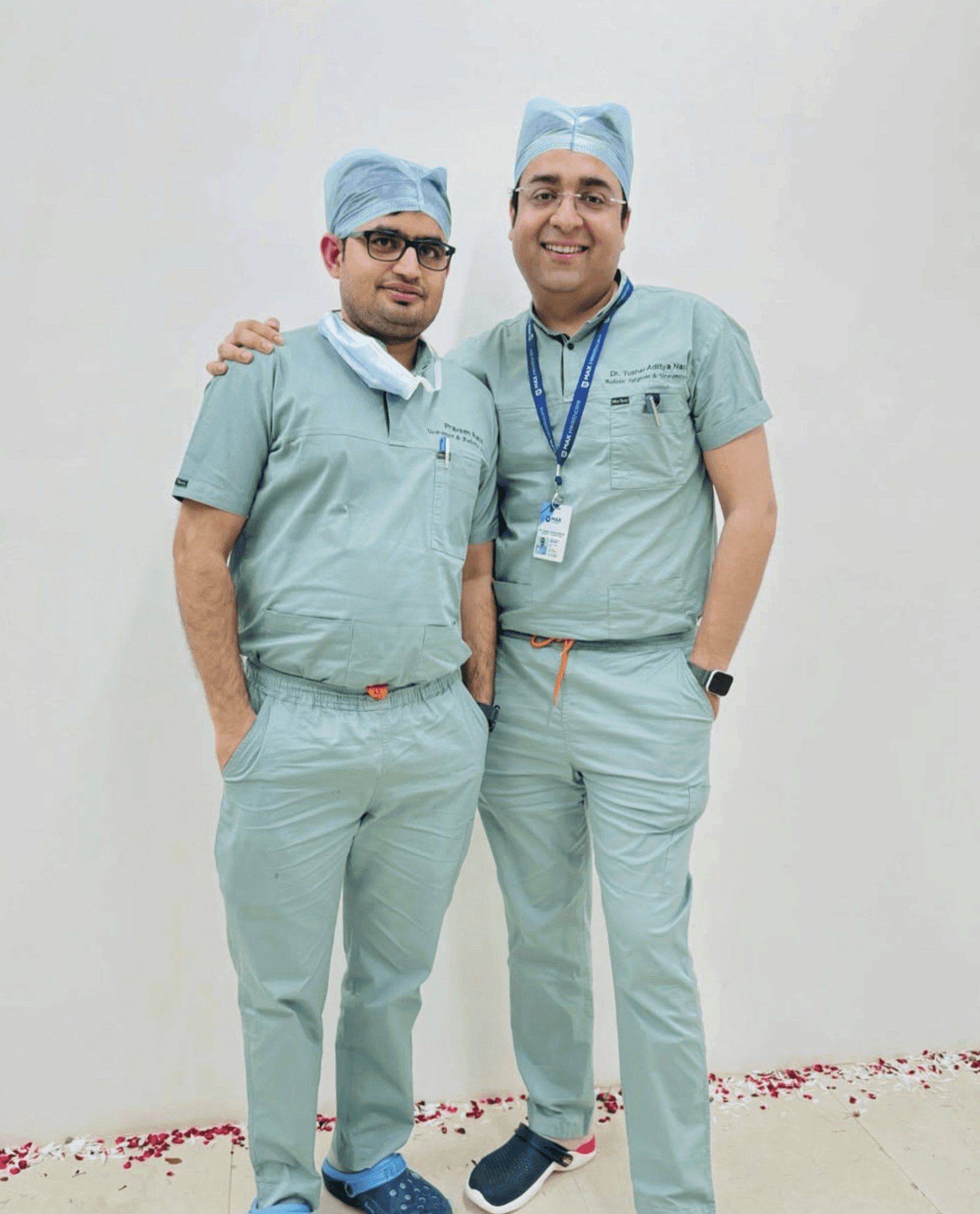
Surgery is 90% preparation. Before Dr. Tushar even enters the room, Praveen (our Robotic Physician Assistant) performs a rigorous 50-point calibration of the Da Vinci system. We treat every surgery like a space mission: rigorous checklists, redundant safety systems, and zero margin for error.
Surgery is 90% preparation. Before Dr. Tushar even enters the room, Praveen (our Robotic Physician Assistant) performs a rigorous 50-point calibration of the Da Vinci system. We treat every surgery like a space mission: rigorous checklists, redundant safety systems, and zero margin for error.
The "Day of Surgery" Timeline: What Happens While You Wait?
When?
60 Minutes Before Start
What happens?
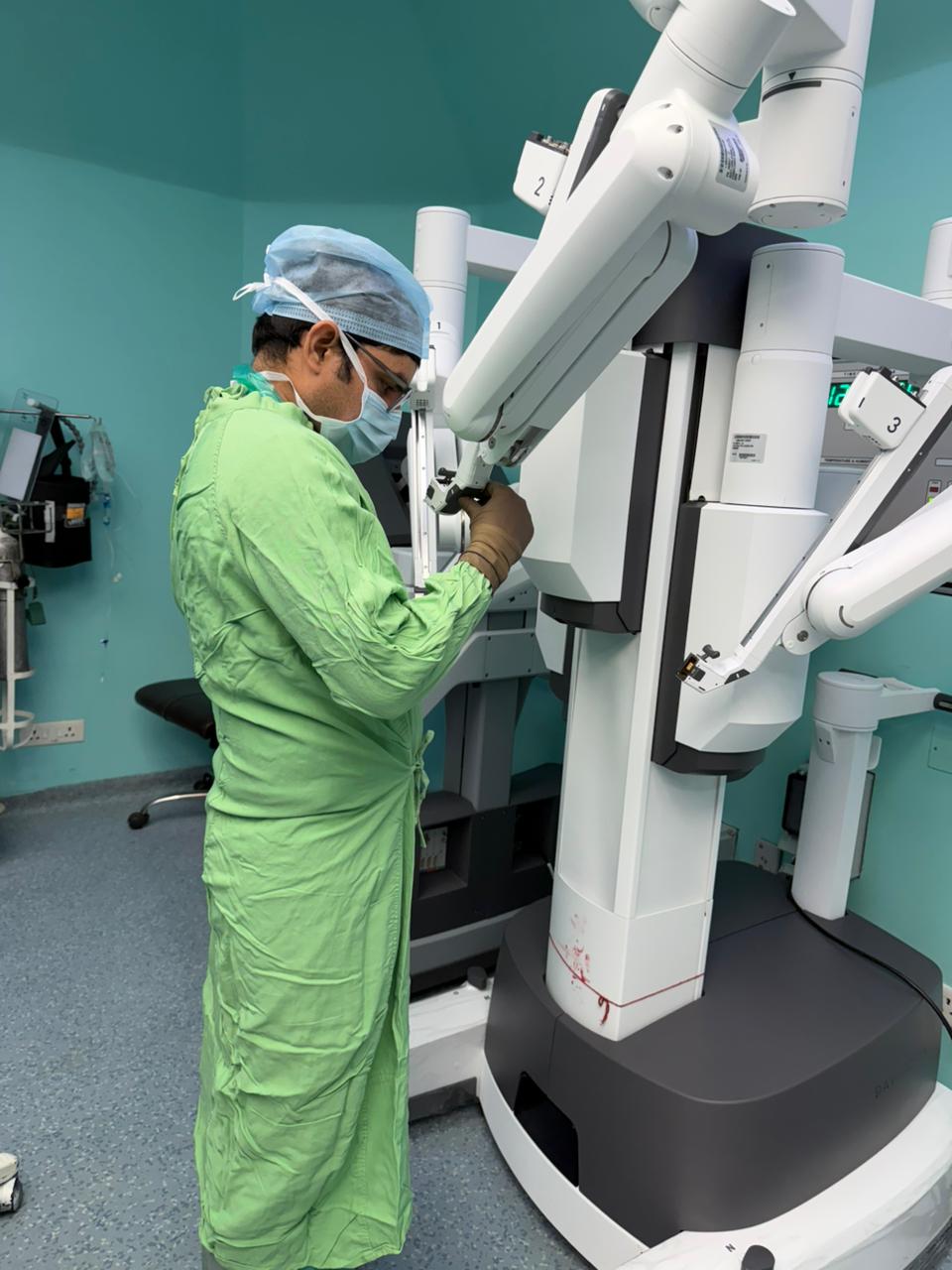
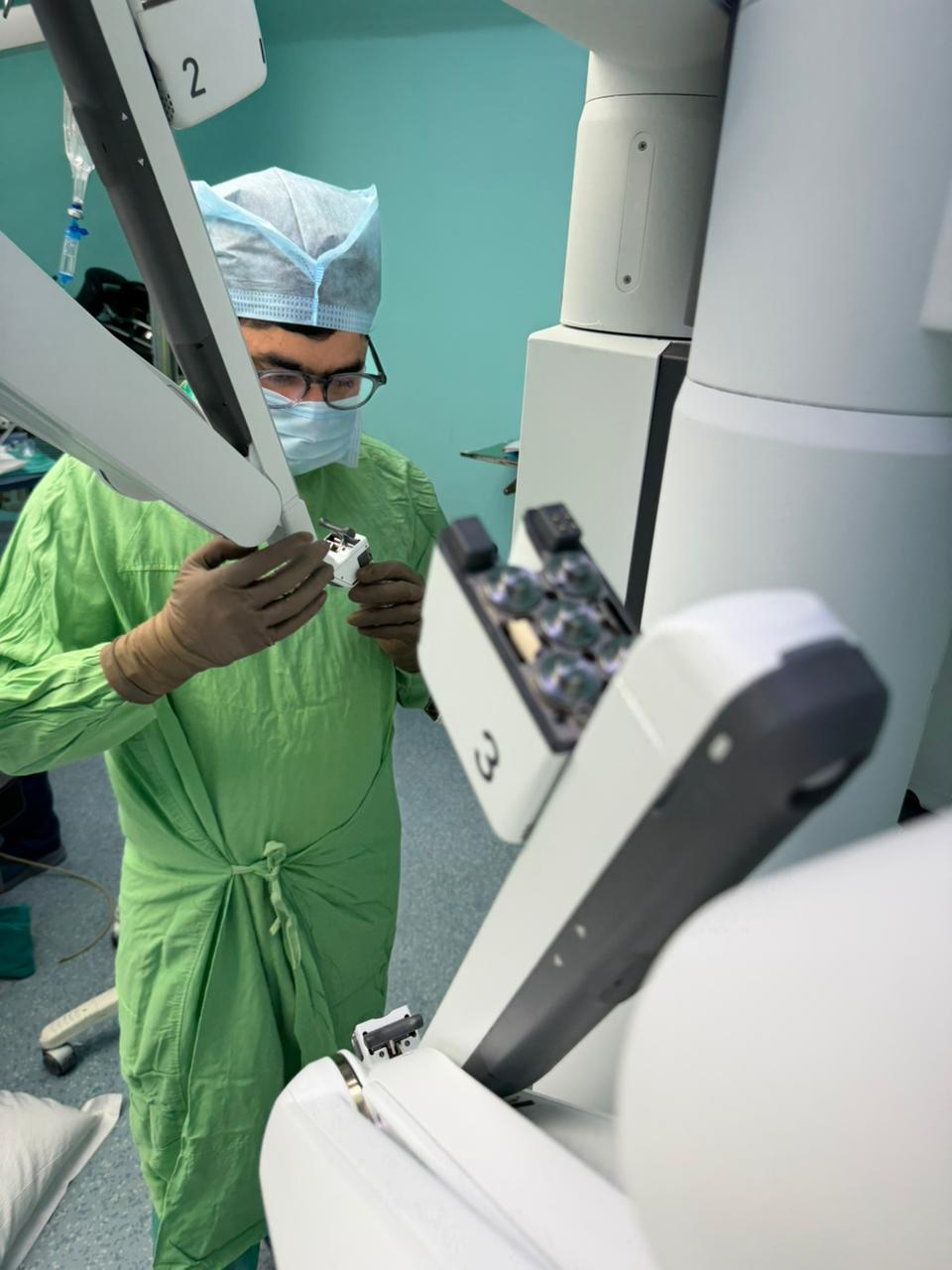
Before the patient enters, Pravin (Robotic PA) performs a 50-point electronic safety check on the Da Vinci Xi Robot.
Praveen's note
"We verify every camera, arm, and instrument 3 times. We do not start until the system is 100% perfect."
When?
30 Minutes Before Start
What happens?
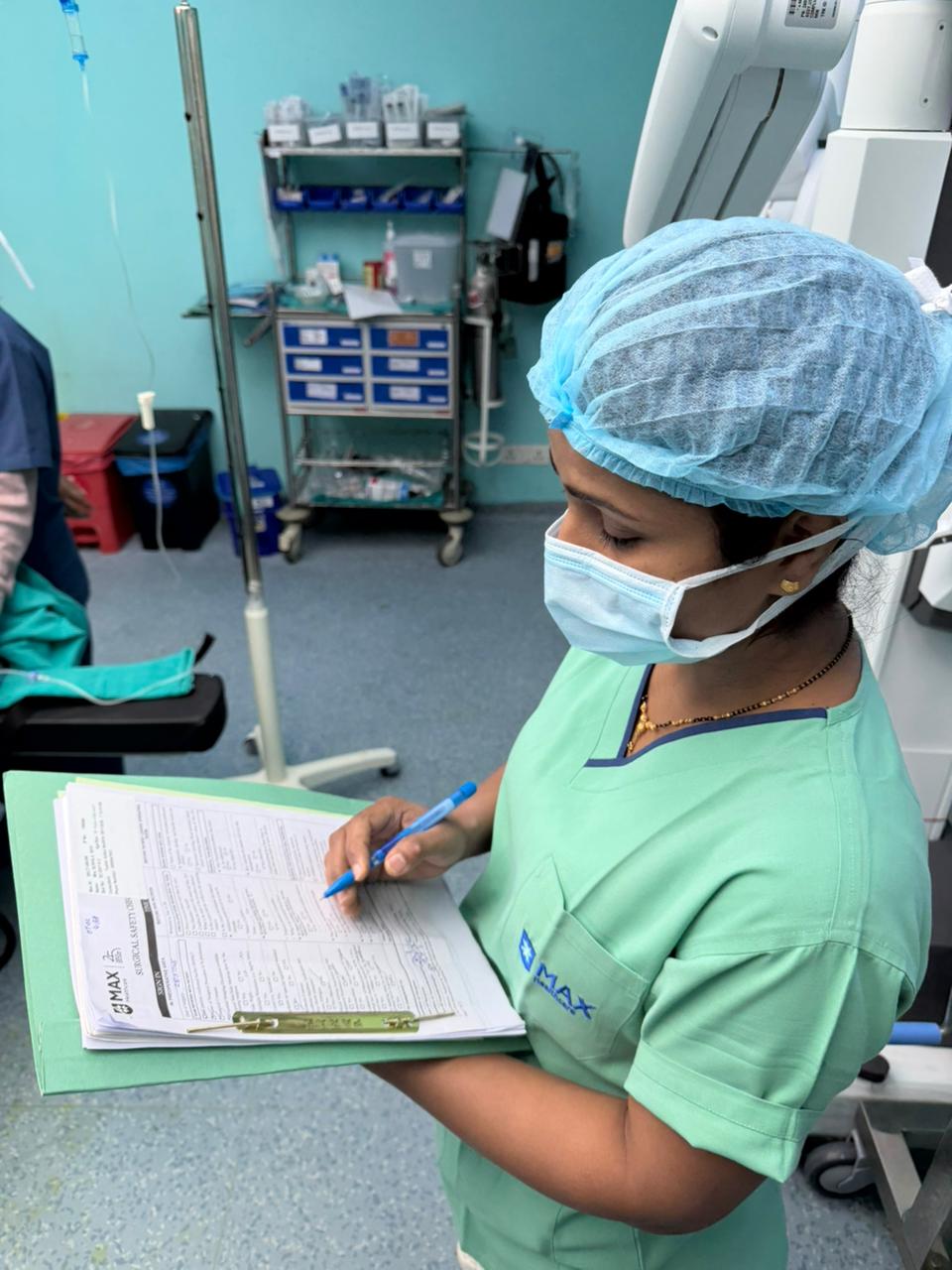
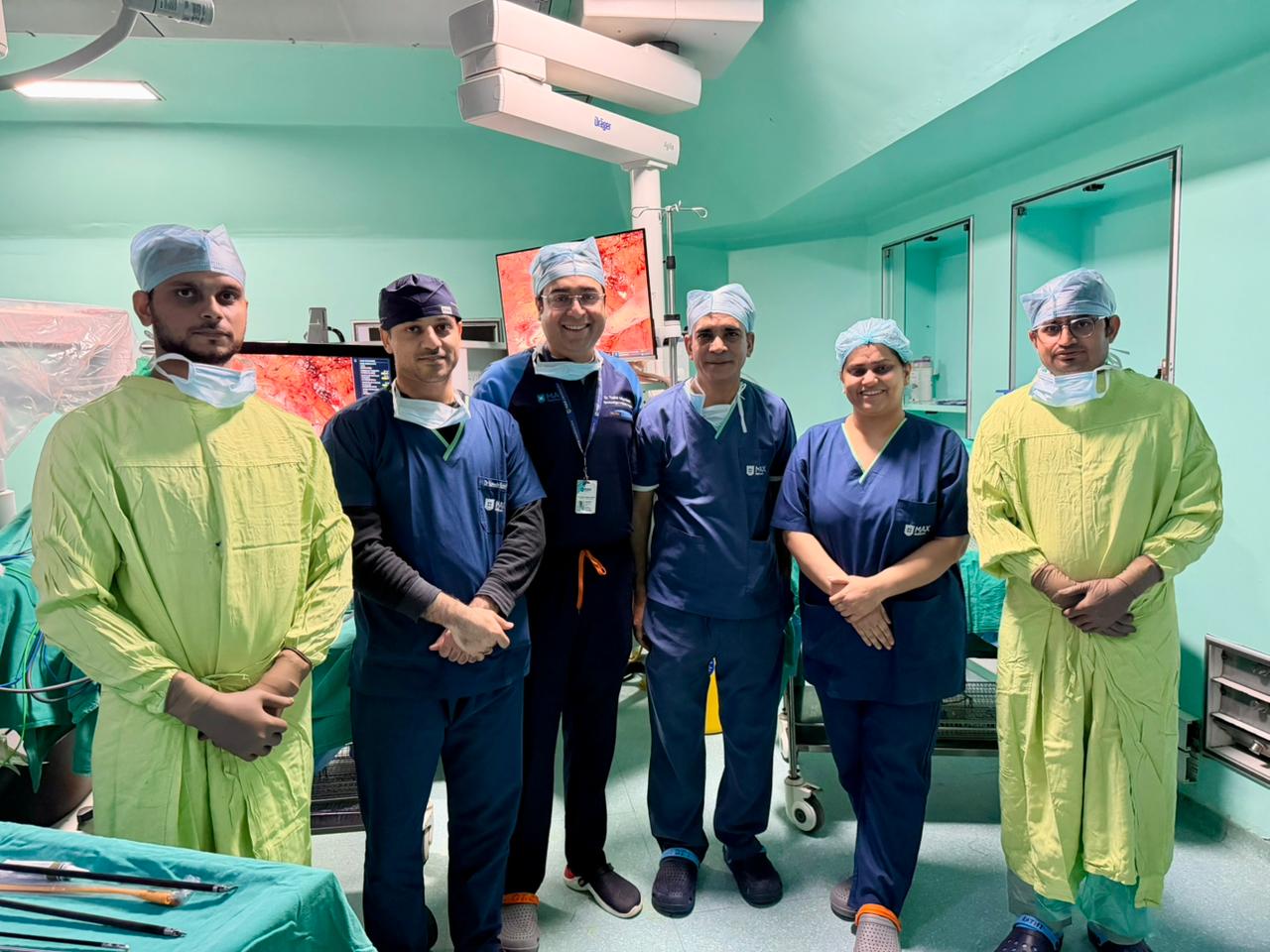
Our Anesthetist gives a gentle sedative. You fall asleep in seconds.
Praveen's note
"You will feel no pain and hear no noise. Our anesthesia team watches your heart and breathing on a monitor every single second while you sleep."
When?
Surgery Starts (Hour 0)
What happens?
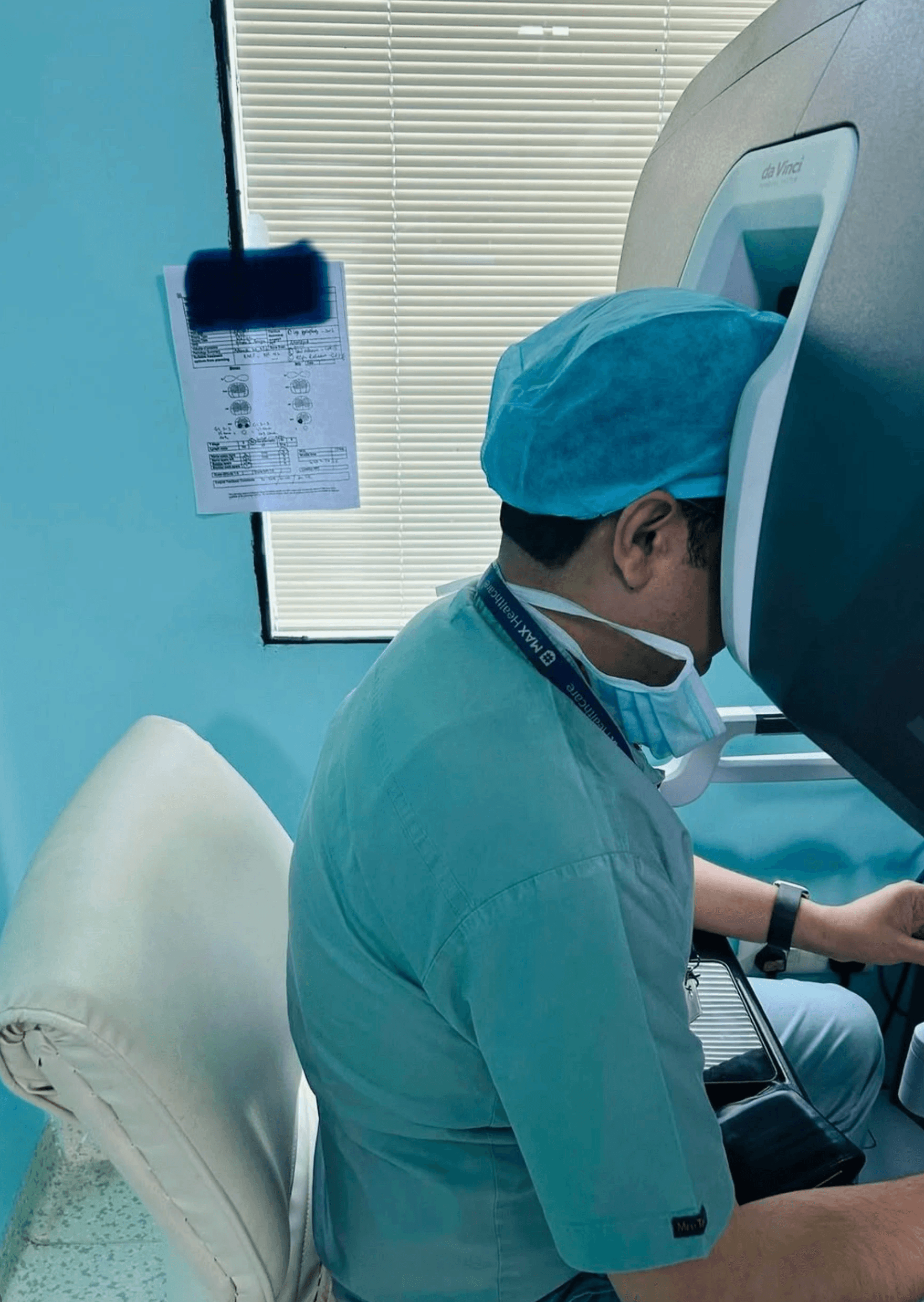
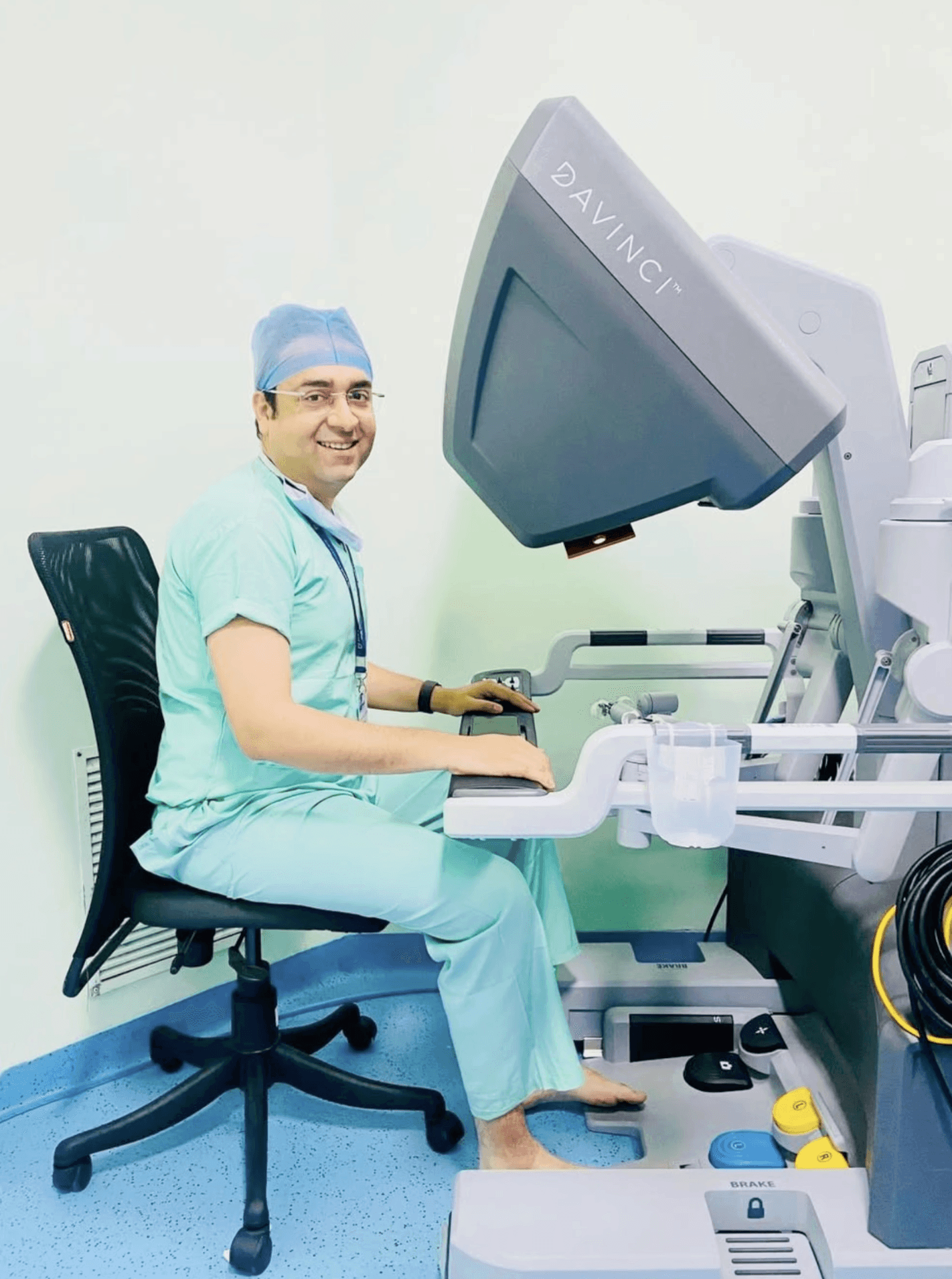
Dr. Tushar sits at the Surgeon Console. He controls the robotic instruments to remove the cancer.
Praveen's note
"The robot does not move on its own. It copies Dr. Tushar's hand movements with millimetre precision, filtering out any tremors for total safety."
When?
Approx. 90 Minutes In
What happens?
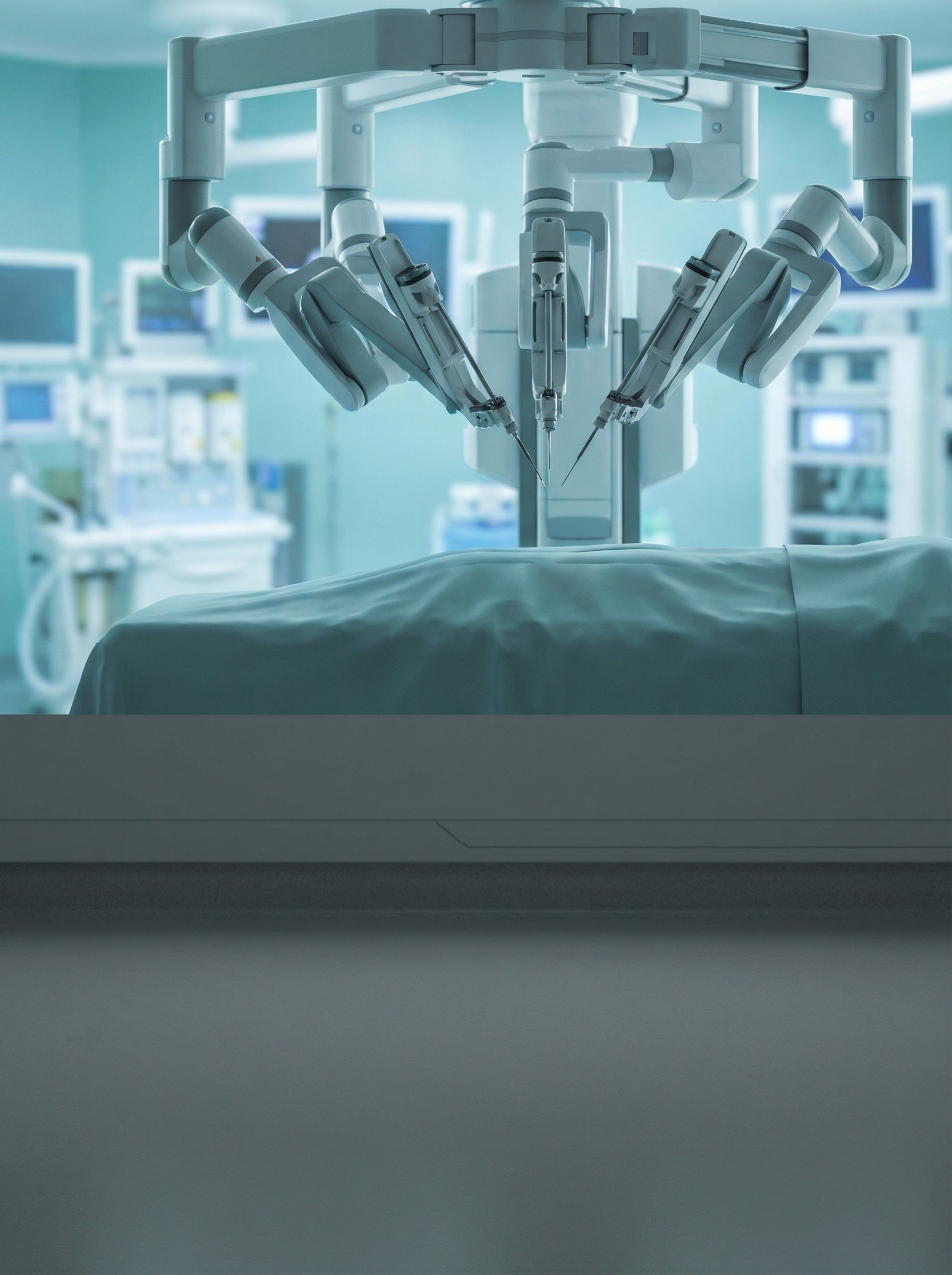
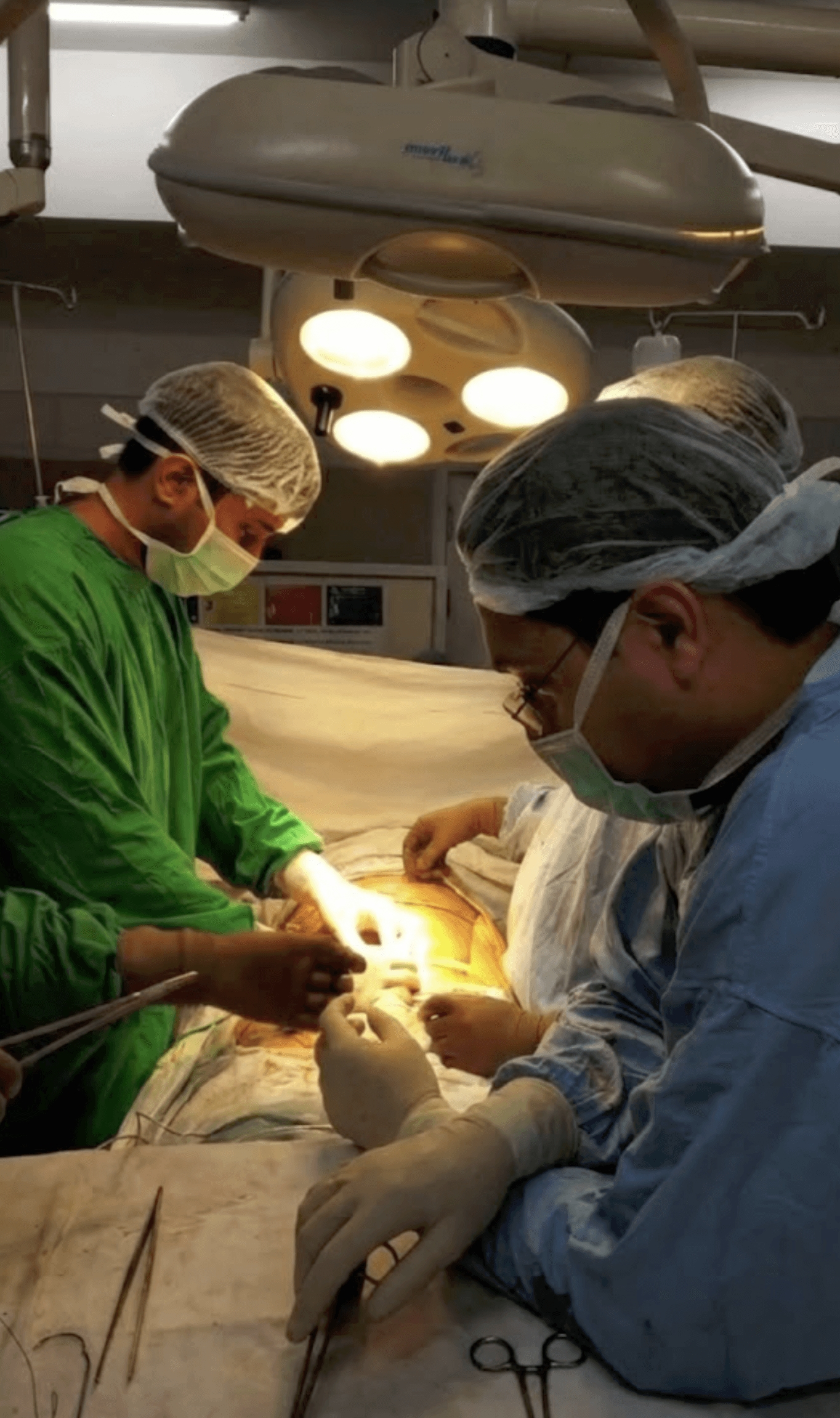
The cancer is out. Now, Dr. Tushar uses the robot to delicately stitch the tissue back together (e.g., reconnecting the urinary tube).
Praveen's note
"This is the most critical step for your future quality of life (urine control). The 10x magnification allows us to stitch tissues that are as thin as paper."
When?
Surgery Ends (Approx. 3 Hours)
What happens?
Anesthesia is stopped. You wake up gently in the Recovery Room. Manish calls your family immediately.
Praveen's note
"You are never left alone. You wake up to a nurse by your side, and your family gets the 'Surgery Successful' update before you even leave the OT."
Online Consultations Available
Book a video consultation anytime, from anywhere
Get clarity on
Does the robot perform the surgery on its own?
No. The robot cannot think or move without Dr. Tushar. It is a Master-Slave System—meaning it only copies Dr. Tushar's hand movements in real-time. If his hands stop, the robot stops instantly. Think of it as a high-tech tool that gives him high robotic precision, not an autonomous machine.
What happens if there is a power cut or the robot fails?
Is Robotic Surgery different from Laparoscopy (Keyhole)?
Is the robot sterile? Can it give me an infection?
Get clarity on
Why did you say 4 holes, but I might have 5 or 6?
Our rule is Safety First, Cosmetics Second. We typically use 4 keyhole ports (8mm each). However, Dr. Tushar may add an extra 5mm 'Assistant Port' for Pravin to help with suction or clipping if the tumor is complex. We will never compromise your cancer cure just to save one tiny mark.
Will I need a blood transfusion?
Will I need strong painkillers (morphine) at home?
Will the scars be big or permanent?
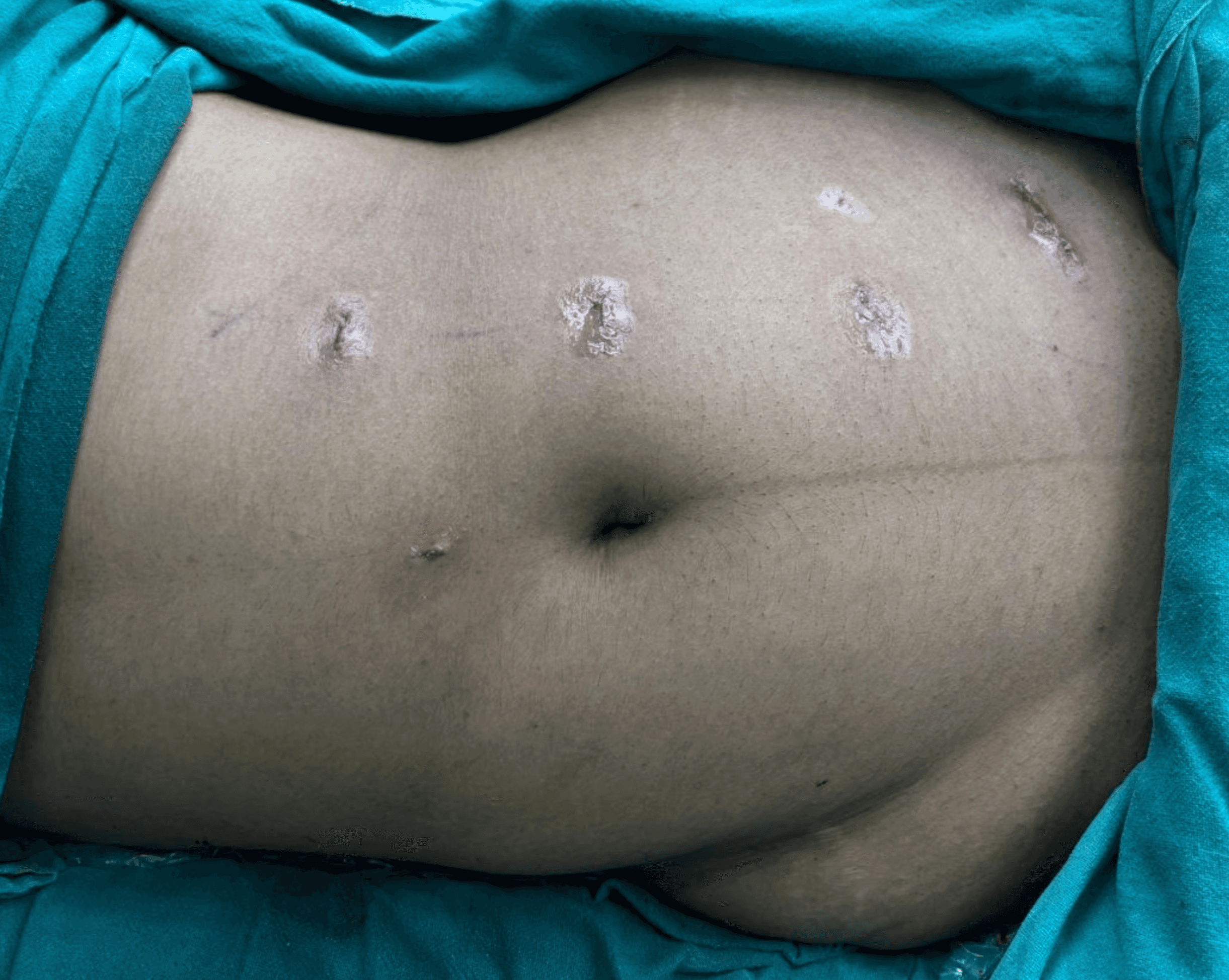
The incisions are tiny (8mm to 12mm), roughly the size of a fingertip. We close them with dissolvable sutures and waterproof glue, so there are no stitches to cut later. Within 6 months, these marks typically fade to faint lines that are barely noticeable.
This photo has been taken immediately post surgery and shows the dissolvable sutures and transparent dressing.
Get clarity on
Will I be awake or hear anything?
Never. You will be under General Anesthesia. You will drift into a deep sleep before the robot is even docked. You will hear nothing, feel nothing, and remember nothing until you wake up in the recovery room with a nurse by your side.
Is anesthesia safe for heart patients or the elderly?
Will I have a tube in my throat when I wake up?
Will I feel nausea or vomit after waking up?
The "Day of Surgery" Timeline: What Happens While You Wait?
When?
60 Minutes Before Start
What happens?
Before the patient enters, Pravin (Robotic PA) performs a 50-point electronic safety check on the Da Vinci Xi Robot.
Praveen's note
"We verify every camera, arm, and instrument 3 times. We do not start until the system is 100% perfect."
When?
30 Minutes Before Start
What happens?
Our Anesthetist gives a gentle sedative. You fall asleep in seconds.
Praveen's note
"You will feel no pain and hear no noise. Our anesthesia team watches your heart and breathing on a monitor every single second while you sleep."
When?
Surgery Starts (Hour 0)
What happens?
Dr. Tushar sits at the Surgeon Console. He controls the robotic instruments to remove the cancer.
Praveen's note
"The robot does not move on its own. It copies Dr. Tushar's hand movements with millimetre precision, filtering out any tremors for total safety."
When?
Approx. 90 Minutes In
What happens?
The cancer is out. Now, Dr. Tushar uses the robot to delicately stitch the tissue back together (e.g., reconnecting the urinary tube).
Praveen's note
"This is the most critical step for your future quality of life (urine control). The 10x magnification allows us to stitch tissues that are as thin as paper."
When?
Surgery Ends (Approx. 3 Hours)
What happens?
Anesthesia is stopped. You wake up gently in the Recovery Room. Manish calls your family immediately.
Praveen's note
"You are never left alone. You wake up to a nurse by your side, and your family gets the 'Surgery Successful' update before you even leave the OT."
Online Consultations Available
Book a video consultation anytime, from anywhere
Get clarity on
Does the robot perform the surgery on its own?
No. The robot cannot think or move without Dr. Tushar. It is a Master-Slave System—meaning it only copies Dr. Tushar's hand movements in real-time. If his hands stop, the robot stops instantly. Think of it as a high-tech tool that gives him high robotic precision, not an autonomous machine.
What happens if there is a power cut or the robot fails?
Is Robotic Surgery different from Laparoscopy (Keyhole)?
Is the robot sterile? Can it give me an infection?
Get clarity on
Why did you say 4 holes, but I might have 5 or 6?
Our rule is Safety First, Cosmetics Second. We typically use 4 keyhole ports (8mm each). However, Dr. Tushar may add an extra 5mm 'Assistant Port' for Pravin to help with suction or clipping if the tumor is complex. We will never compromise your cancer cure just to save one tiny mark.
Will I need a blood transfusion?
Will I need strong painkillers (morphine) at home?
Will the scars be big or permanent?
The incisions are tiny (8mm to 12mm), roughly the size of a fingertip. We close them with dissolvable sutures and waterproof glue, so there are no stitches to cut later. Within 6 months, these marks typically fade to faint lines that are barely noticeable.
This photo has been taken immediately post surgery and shows the dissolvable sutures and transparent dressing.
Get clarity on
Will I be awake or hear anything?
Never. You will be under General Anesthesia. You will drift into a deep sleep before the robot is even docked. You will hear nothing, feel nothing, and remember nothing until you wake up in the recovery room with a nurse by your side.
Is anesthesia safe for heart patients or the elderly?
Will I have a tube in my throat when I wake up?
Will I feel nausea or vomit after waking up?
The "Day of Surgery" Timeline: What Happens While You Wait?
When?
60 Minutes Before Start
What happens?
Before the patient enters, Pravin (Robotic PA) performs a 50-point electronic safety check on the Da Vinci Xi Robot.
Praveen's note
"We verify every camera, arm, and instrument 3 times. We do not start until the system is 100% perfect."
When?
30 Minutes Before Start
What happens?
Our Anesthetist gives a gentle sedative. You fall asleep in seconds.
Praveen's note
"You will feel no pain and hear no noise. Our anesthesia team watches your heart and breathing on a monitor every single second while you sleep."
When?
Surgery Starts (Hour 0)
What happens?
Dr. Tushar sits at the Surgeon Console. He controls the robotic instruments to remove the cancer.
Praveen's note
"The robot does not move on its own. It copies Dr. Tushar's hand movements with millimetre precision, filtering out any tremors for total safety."
When?
Approx. 90 Minutes In
What happens?
The cancer is out. Now, Dr. Tushar uses the robot to delicately stitch the tissue back together (e.g., reconnecting the urinary tube).
Praveen's note
"This is the most critical step for your future quality of life (urine control). The 10x magnification allows us to stitch tissues that are as thin as paper."
When?
Surgery Ends (Approx. 3 Hours)
What happens?
Anesthesia is stopped. You wake up gently in the Recovery Room. Manish calls your family immediately.
Praveen's note
"You are never left alone. You wake up to a nurse by your side, and your family gets the 'Surgery Successful' update before you even leave the OT."
Online Consultations Available
Book a video consultation anytime, from anywhere
Get clarity on
Does the robot perform the surgery on its own?
No. The robot cannot think or move without Dr. Tushar. It is a Master-Slave System—meaning it only copies Dr. Tushar's hand movements in real-time. If his hands stop, the robot stops instantly. Think of it as a high-tech tool that gives him high robotic precision, not an autonomous machine.
What happens if there is a power cut or the robot fails?
Is Robotic Surgery different from Laparoscopy (Keyhole)?
Is the robot sterile? Can it give me an infection?
Get clarity on
Why did you say 4 holes, but I might have 5 or 6?
Our rule is Safety First, Cosmetics Second. We typically use 4 keyhole ports (8mm each). However, Dr. Tushar may add an extra 5mm 'Assistant Port' for Pravin to help with suction or clipping if the tumor is complex. We will never compromise your cancer cure just to save one tiny mark.
Will I need a blood transfusion?
Will I need strong painkillers (morphine) at home?
Will the scars be big or permanent?
The incisions are tiny (8mm to 12mm), roughly the size of a fingertip. We close them with dissolvable sutures and waterproof glue, so there are no stitches to cut later. Within 6 months, these marks typically fade to faint lines that are barely noticeable.
This photo has been taken immediately post surgery and shows the dissolvable sutures and transparent dressing.
Get clarity on
Will I be awake or hear anything?
Never. You will be under General Anesthesia. You will drift into a deep sleep before the robot is even docked. You will hear nothing, feel nothing, and remember nothing until you wake up in the recovery room with a nurse by your side.
Is anesthesia safe for heart patients or the elderly?
Will I have a tube in my throat when I wake up?
Will I feel nausea or vomit after waking up?
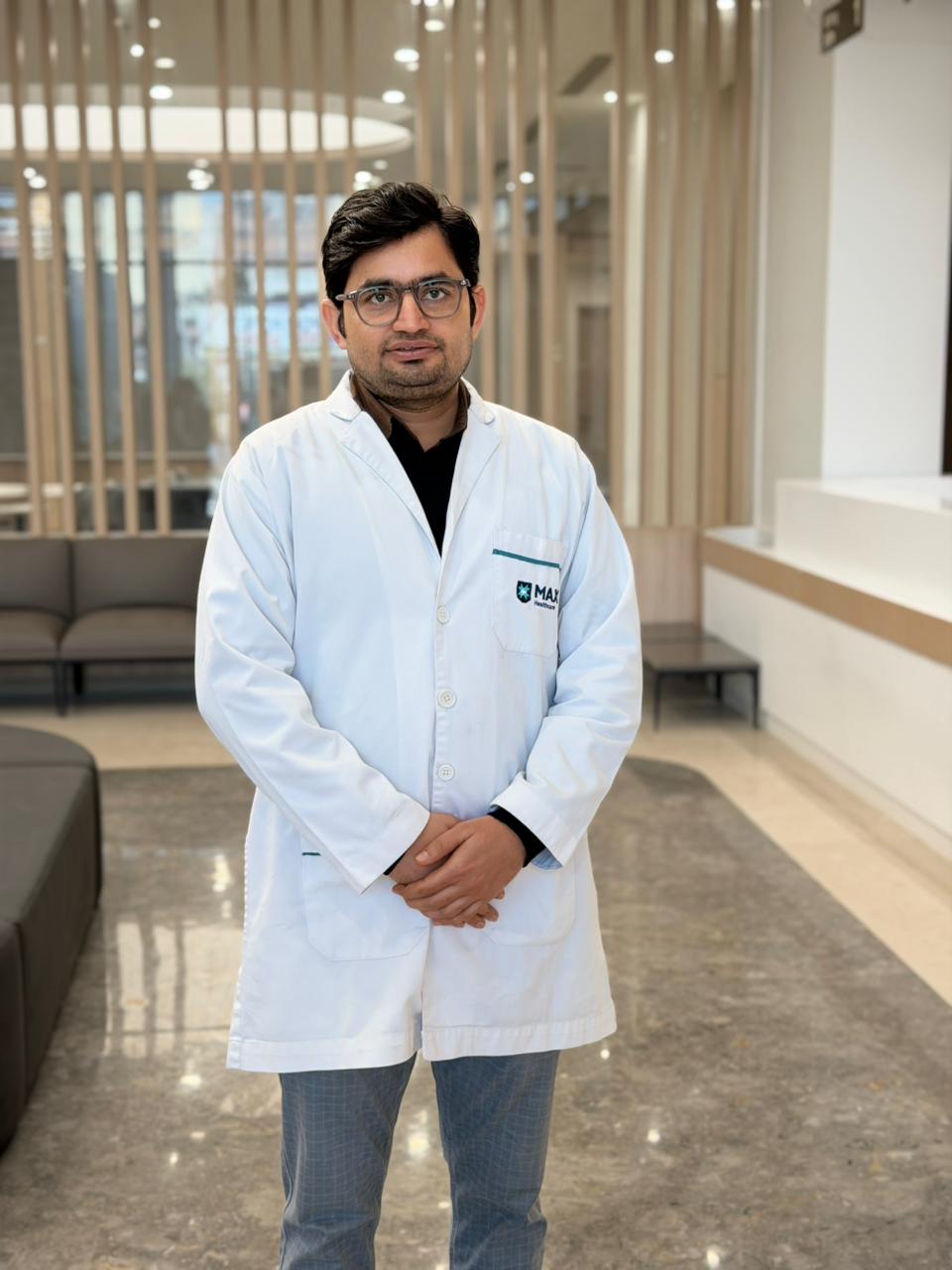
Your Robotic Safety Architect • Robotic Physician Assistant
Your Robotic Safety Architect • Robotic Physician Assistant
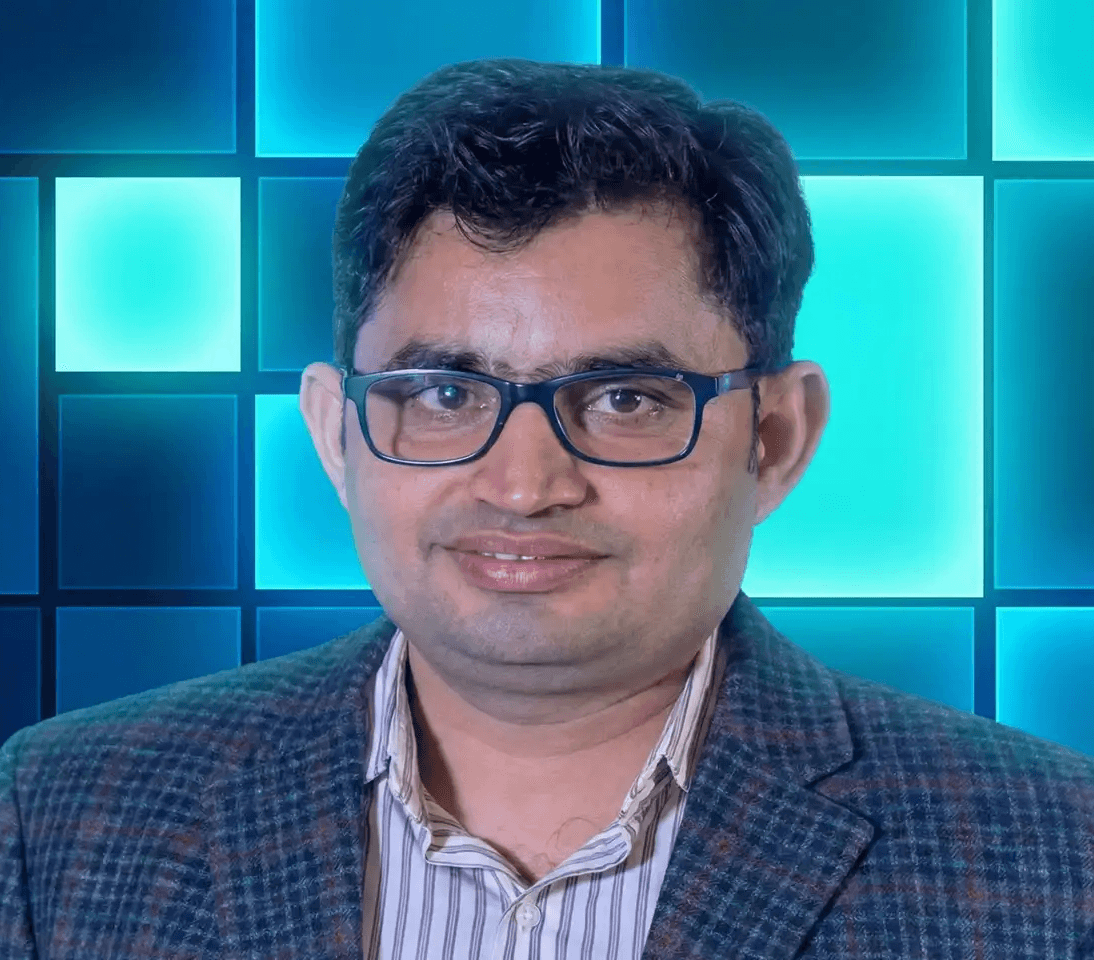
Praveen Rathi
"A safe surgery starts long before you enter the room. I personally run a 50-point calibration check on the robot every morning. I am the bridge between the machine and your safety."
Ready to explore the other phases?
Get complete clarity. We encourage you to learn about the other phases.
You Don't Just Get a Surgeon. You Get a System.
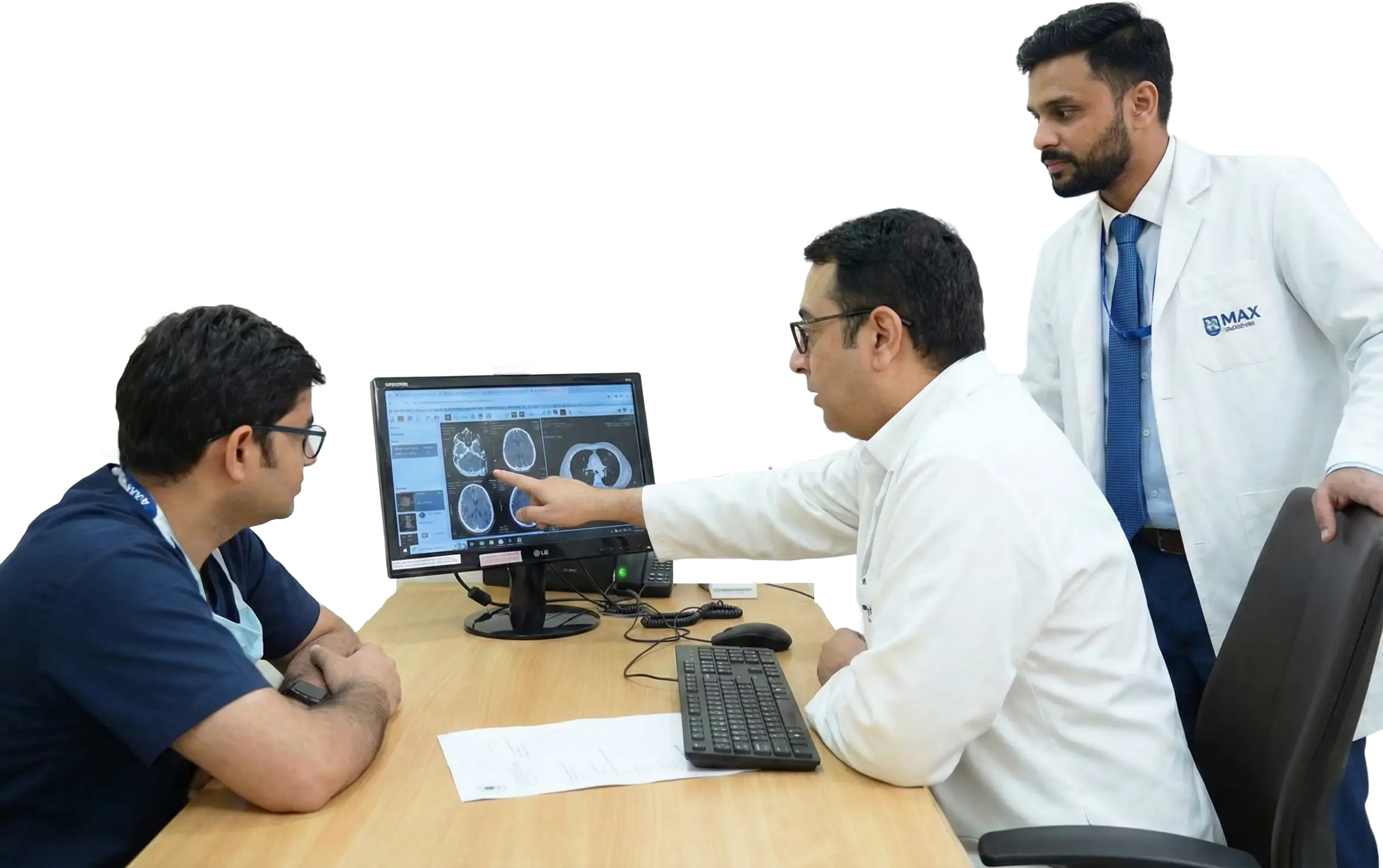
Dr. Tushar leads the surgery, but our team manages the journey. From handling paperwork to daily recovery advice, we manage the logistics so you can focus on healing.

You Don't Just Get a Surgeon. You Get a System.
Dr. Tushar leads the surgery, but our team manages the journey. From handling paperwork to daily recovery advice, we manage the logistics so you can focus on healing.
You Don't Just Get a Surgeon. You Get a System.
Dr. Tushar leads the surgery, but our team manages the journey. From handling paperwork to daily recovery advice, we manage the logistics so you can focus on healing.