Early detection of prostate cancer significantly improves treatment outcomes
Robotic surgery offers minimally invasive treatment with faster recovery
Choosing an experienced surgeon at a high-volume centre is an important factor in treatment planning
This article is for men in midlife (usually 50+) and their families who are concerned about prostate health, confused about when to get screened, or want to understand how modern robotic surgery can preserve quality of life after treatment.
Introduction
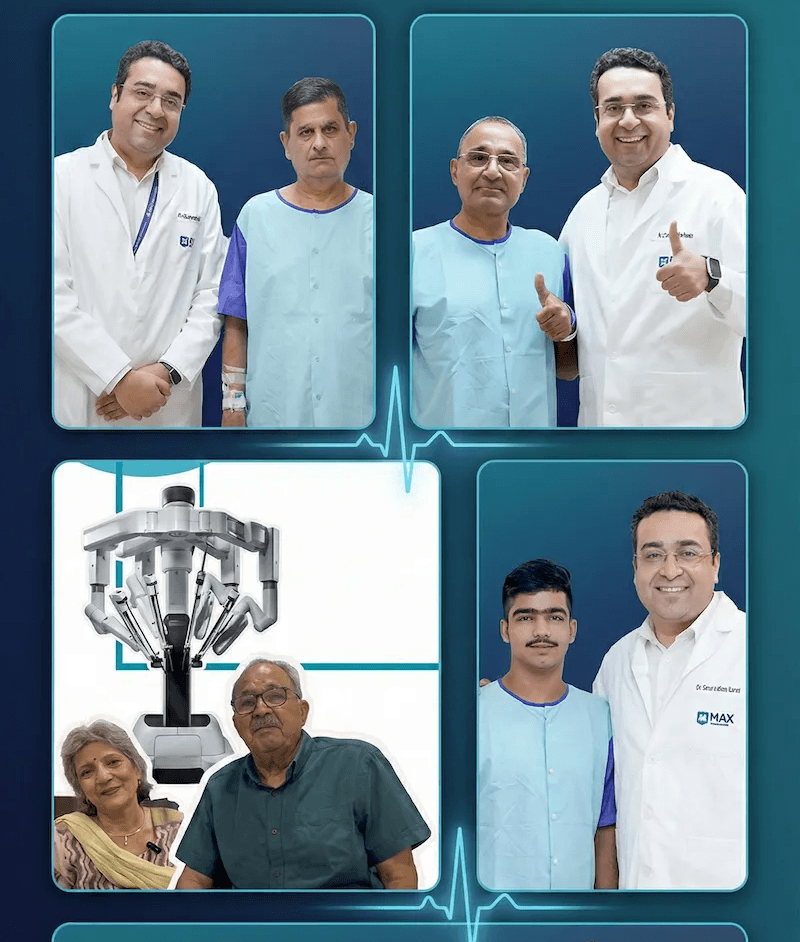
Cancer treatment has evolved significantly with the advent of robotic-assisted surgery, offering precision, minimal invasiveness, and faster recovery. In Gurgaon, patients now have access to cutting-edge robotic surgical interventions for urological cancers, with specialists like Dr. Tushar Aditya Narain, a fellowship-trained Uro-oncologist and Robotic Surgeon at Max Smart Super Speciality Hospital, Saket, New Delhi.
This article explores the role of robotic surgeon for cancer in Gurgaon, the advantages of robotic surgery, the expertise of Dr. Narain, and why patients trust him for complex urological cancer treatments.
Understanding Robotic Surgery for Cancer
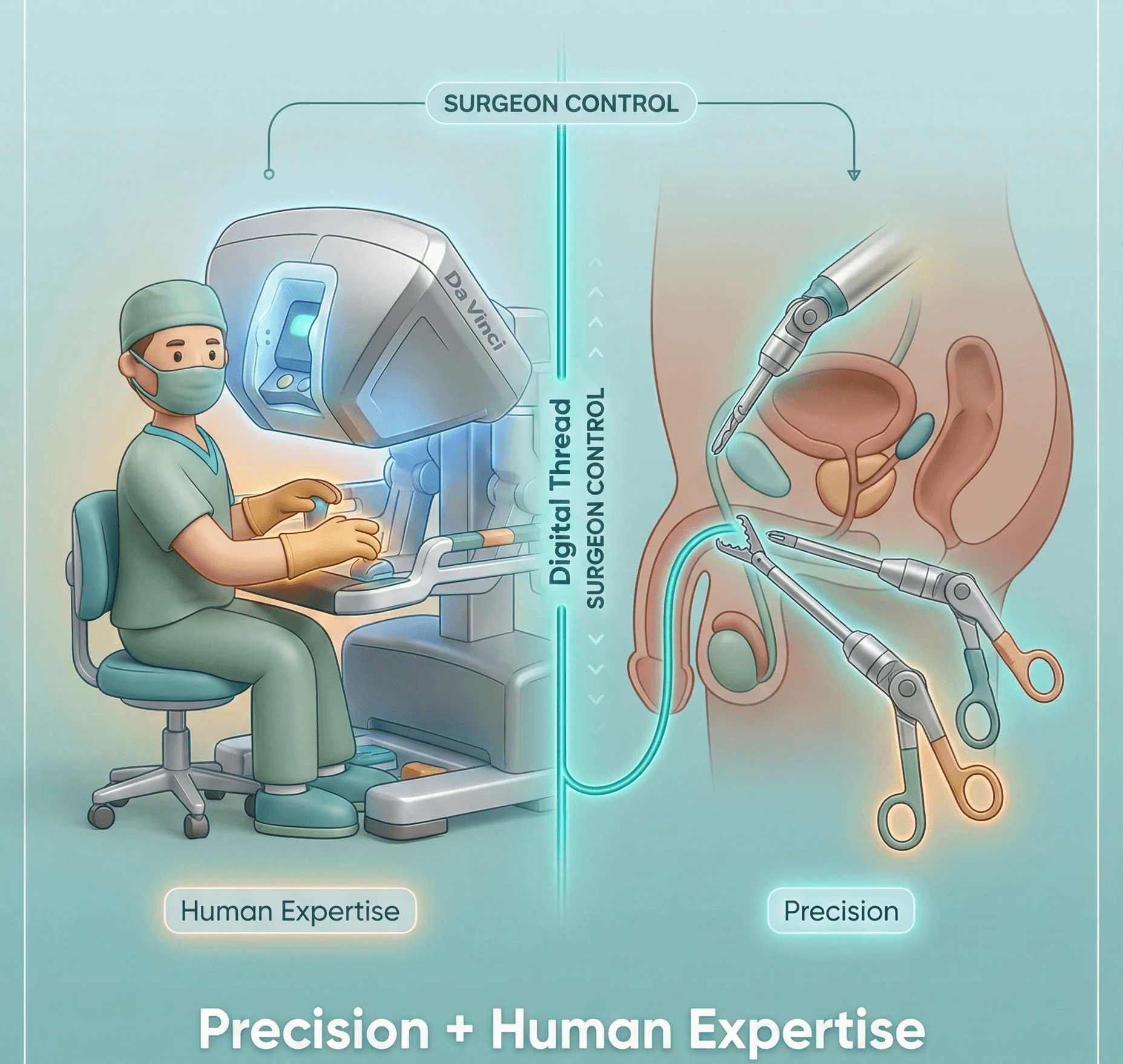
Robotic-assisted surgery is a minimally invasive technique where surgeons use a high-precision robotic system (like the da Vinci Surgical System) to perform complex procedures with enhanced accuracy. It is particularly effective for prostate cancer, kidney cancer, bladder cancer, and other urological malignancies.
Key Benefits of Robotic Cancer Surgery
Precision & Accuracy
- The robotic system provides 3D visualization and wristed instruments that allow surgeons to operate with enhanced precision.
Minimally Invasive
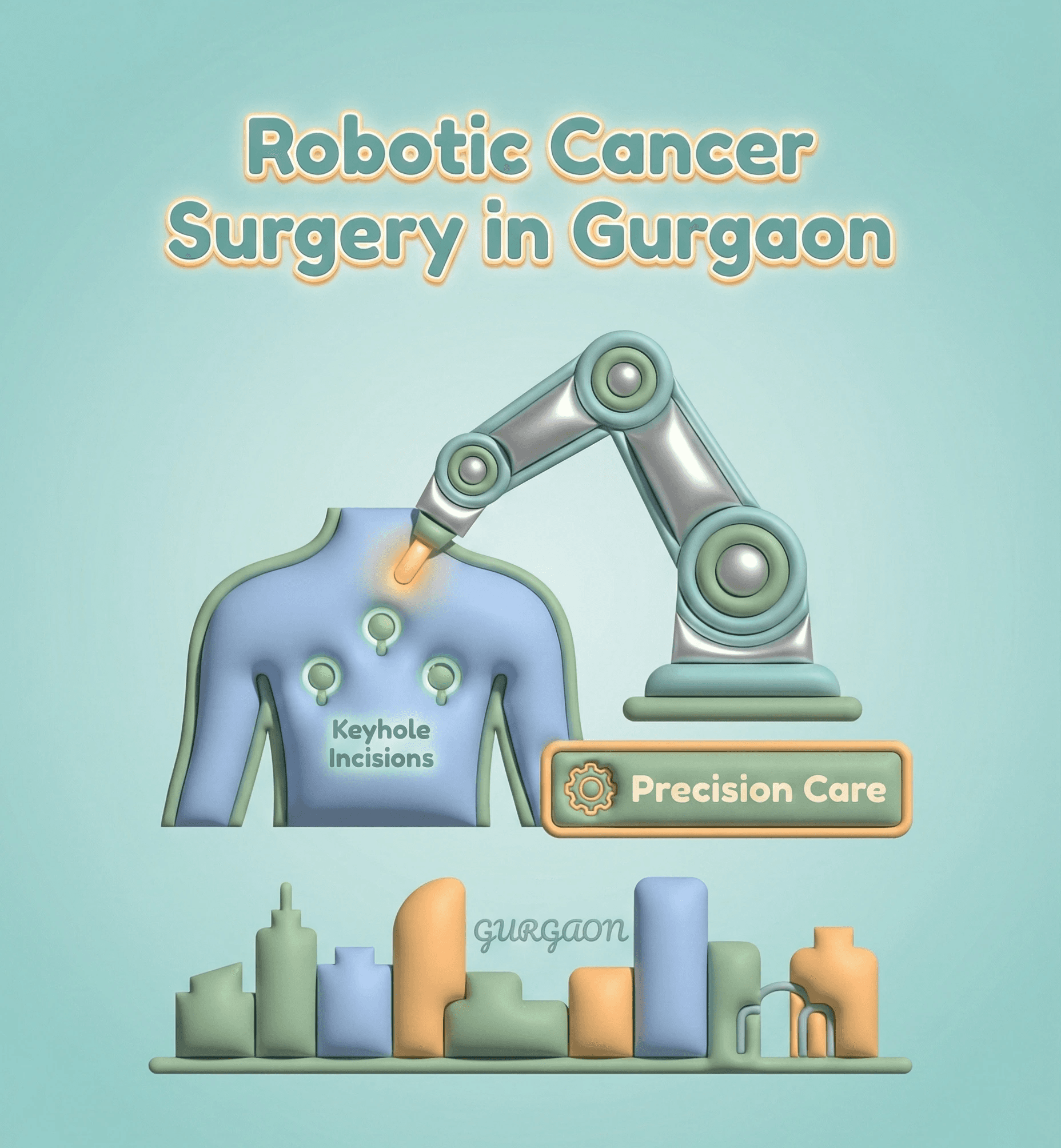
- Smaller incisions mean less blood loss, reduced pain, and lower risk of infection.
Faster Recovery
- Patients typically experience shorter hospital stays and quicker return to normal activities.
Lower Complication Rates
- Studies show robotic surgery reduces post-operative complications compared to traditional open surgery.
Better Cancer Control
- Enhanced precision allows for complete tumor removal while preserving surrounding healthy tissues.
Statistics Supporting Robotic Surgery
A 2023 study in The Lancet Oncology found robotic prostatectomy had a 96% success rate in cancer removal with lower recurrence rates.
Research from the Journal of Urology indicates robotic kidney surgery preserves 30% more kidney function compared to open surgery.
Patients undergoing robotic bladder surgery report 50% faster recovery than traditional methods.
Robotic Surgeon for Cancer in Gurgaon: Why Choose Dr. Tushar Aditya Narain?
Gurgaon’s proximity to Delhi allows patients to access Dr. Tushar Aditya Narain, a fellowship-trained Uro-oncologist and Robotic Surgeon at Max Smart Super Speciality Hospital, Saket. His expertise in robotic cancer surgery makes him a preferred choice for patients across North India.
Dr. Narain’s Credentials & Expertise
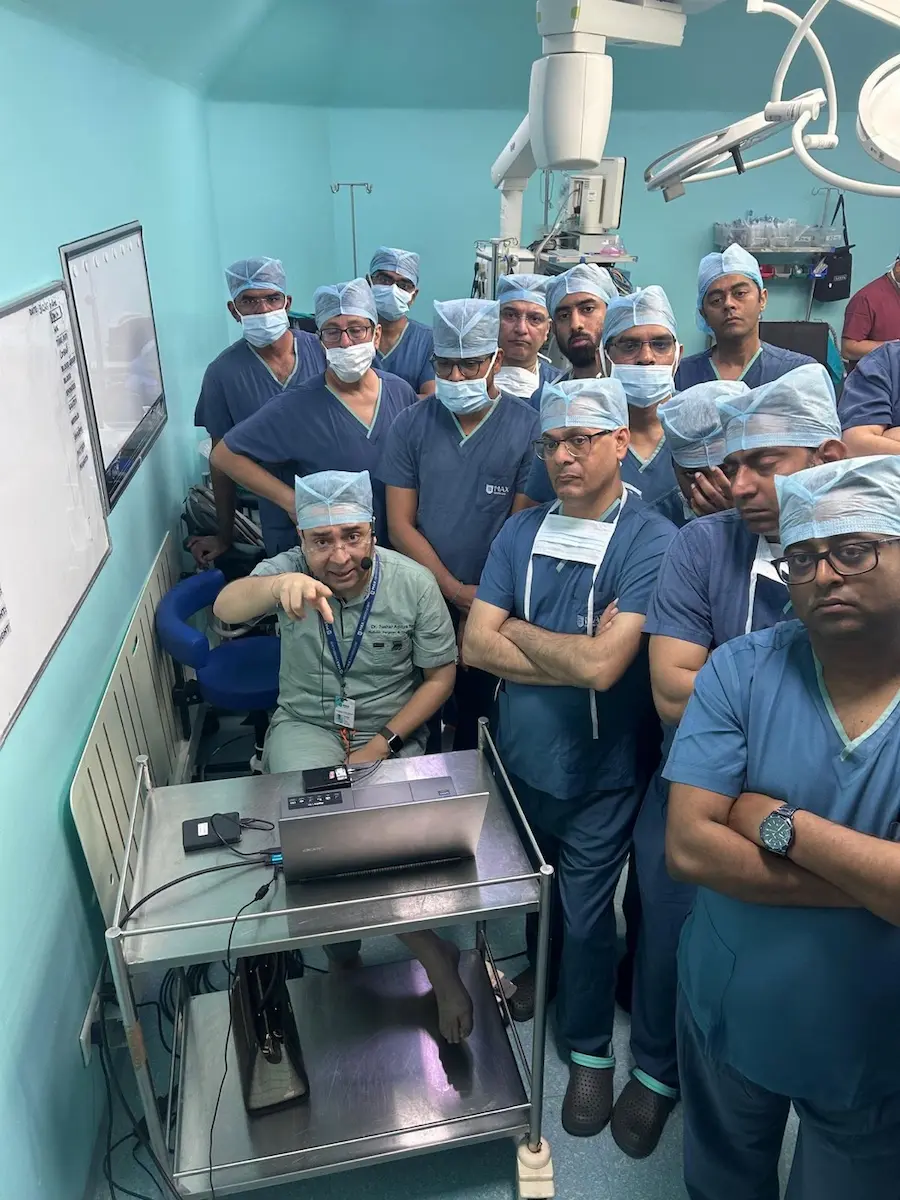
International Training - Trained at University College London Hospital (UCLH), a global leader in robotic urological surgery.
Academic Excellence - Graduated from AIIMS Delhi and PGI Chandigarh, among India’s top medical institutions.
Extensive Research - Published over 50 peer-reviewed papers in reputed oncology journals.
High-Volume Surgeon - Performs hundreds of robotic cancer surgeries annually, ensuring extensive experience.
Why Patients Choose Dr. Narain?
Advanced Robotic Surgical Training
- His training at UCLH ensures cutting-edge techniques forprostatectomy, nephrectomy, and cystectomy.
Personalized Cancer Care
- Tailors treatment plans based onpatient-specific factors like cancer stage, age, and overall health.
Minimizing Side Effects
- Expertise innerve-sparing techniquesto preserve urinary and sexual function post-surgery.
Multidisciplinary Approach
- Collaborates withmedical oncologists, radiologists, and pathologistsfor comprehensive care.
Published Outcome Data
- Patients reportexcellent oncological outcomes and quality of lifepost-surgery.
Robotic Cancer Surgery Services in Gurgaon (Delhi-NCR)
Patients in Gurgaon can access the following robotic surgical services through Dr. Narain at Max Smart Super Speciality Hospital:
1. Robotic Prostatectomy for Prostate Cancer
Procedure: Removal of the prostate gland with precision to avoid damage to surrounding nerves.
Benefits: Lower risk of incontinence and erectile dysfunction compared to open surgery.
2. Robotic Partial/Radical Nephrectomy for Kidney Cancer
Procedure: Removal of part or the entire kidney while preserving healthy tissue.
Benefits: Faster recovery and better kidney function preservation.
3. Robotic Cystectomy for Bladder Cancer
Procedure: Removal of the bladder with reconstruction (neobladder or urinary diversion).
Benefits: Reduced complications and improved long-term outcomes.
4. Robotic Surgery for Testicular & Penile Cancers
Procedure: Precision removal of tumors with lymph node dissection if needed.
Benefits: Minimally invasive with optimal cancer control.
Real-World Patient Outcomes
Case Study 1: Robotic Prostate Cancer Surgery
A 62-year-old Gurgaon businessman diagnosed with localized prostate cancer underwent robotic prostatectomy by Dr. Narain. The surgery lasted 3 hours, and he was discharged in 2 days. Six months later, he was cancer-free with preserved urinary and sexual function.
Case Study 2: Kidney-Sparing Robotic Surgery
A 45-year-old woman with a 4cm kidney tumor underwent robotic partial nephrectomy. The surgery successfully removed the tumor while preserving 90% of her kidney function. She resumed work in 10 days.
Conclusion: The Role of Robotic Surgery in Cancer Treatment in Gurgaon
Robotic surgery is revolutionizing cancer care, offering better precision, faster recovery, and improved survival rates. For patients in Gurgaon, Dr. Tushar Aditya Narain stands out as a top robotic surgeon for cancer, combining international expertise, academic excellence, and compassionate care.
If you or a loved one is considering robotic cancer surgery in Gurgaon or Delhi-NCR, consulting a specialist like Dr. Narain can make a significant difference in treatment outcomes.
Patients consistently mention clear explanations, predictable recovery timelines, and a calm care team that helps families navigate the journey from diagnosis through treatment and beyond. The combination of advanced robotic technology with experienced, high-volume surgical practice delivers consistent, evidence-based care aligned with published clinical guidelines.
If you're a man over 50, or over 40 with a family history of prostate cancer, the first step is a conversation with your doctor about PSA testing. This is not about panic - it's about informed decision-making.
If you've already been diagnosed or are considering treatment options, seek a consultation at a high-volume robotic surgery centre. Ask about the surgeon's experience, the team's approach to functional recovery (continence and sexual health), and what to expect during recovery.
Early detection widens the range of treatment options available and may improve long-term outcomes. Delaying screening or treatment can reduce the options available to you.
Gather your medical reports and PSA test results (if available)
Note your symptoms, their duration, and any family history of prostate cancer
Schedule a consultation to discuss screening or treatment options
Prepare questions about robotic surgery, recovery timelines, and functional outcomes
Bring a family member or partner to the consultation for support and clarity