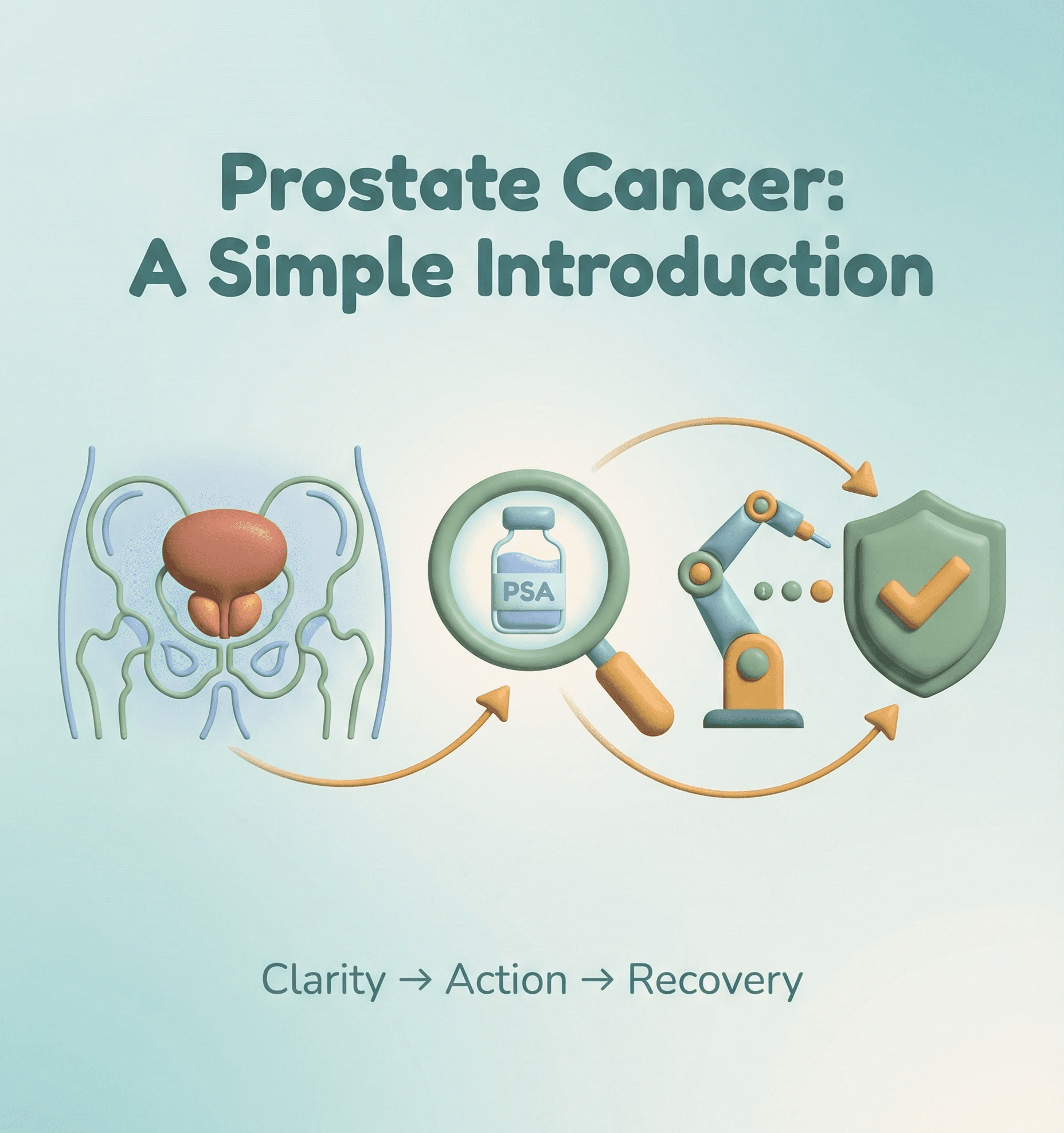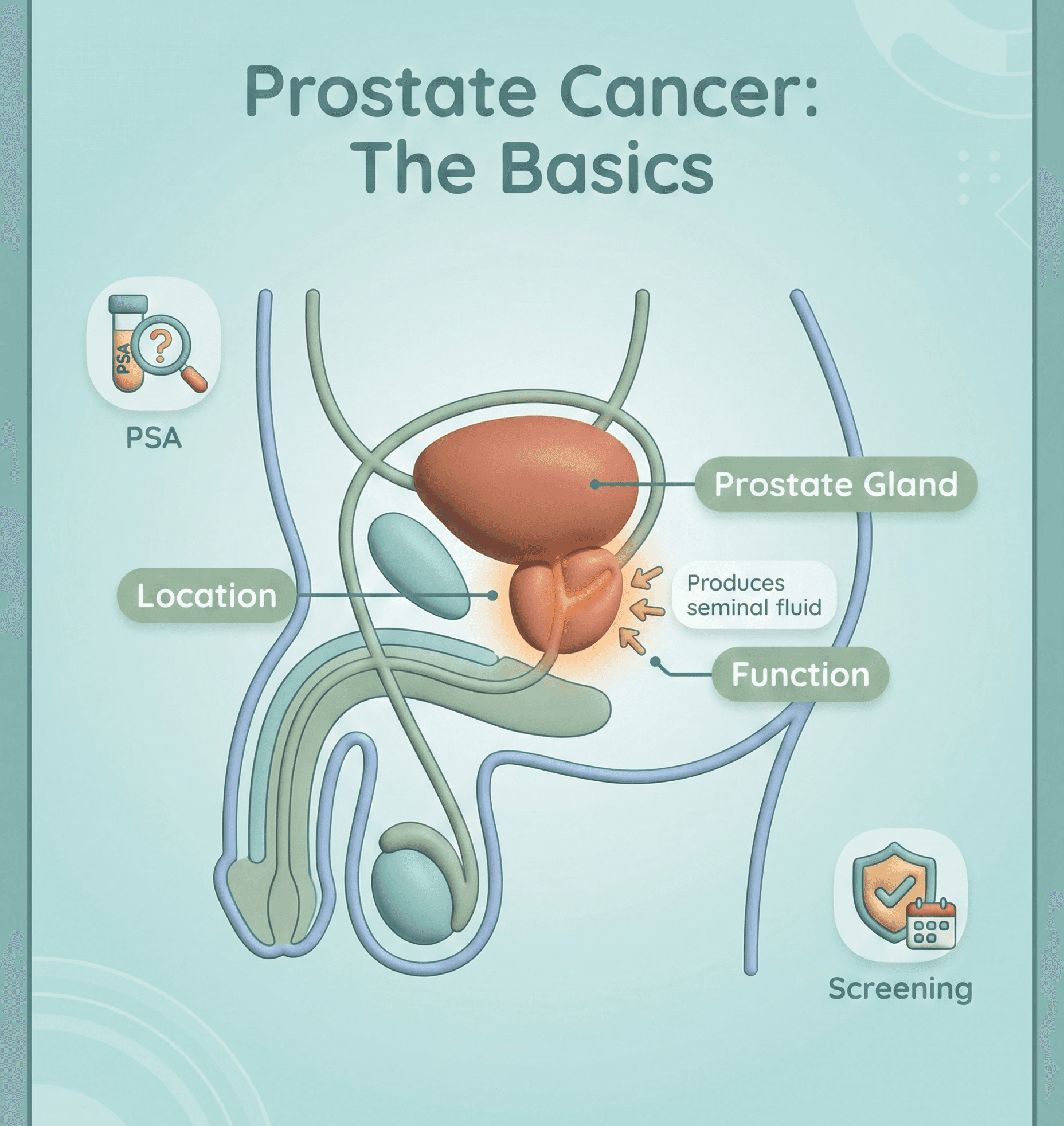
Prostate cancer prostate gland mein विकसित होता है - ek chhota walnut-shaped organ jo bladder ke neeche hota hai aur seminal fluid banata hai
Prostate ke teen functions hote hain - seminal fluid production, ejaculatory muscle control, aur urinary continence support
Risk factors mein age (50 se upar), first-degree family history, BRCA mutations, African descent, aur lifestyle factors shaamil hote hain
Prostate cancer aksar slow-growing hota hai - low-risk cases ke liye active surveillance ek standard option hai; aggressive cancers ko prompt treatment ki zaroorat hoti hai
Biopsy se Gleason score aggressiveness ka nirdharan करता है aur treatment choice guide करता है
यह article उन पुरुषों और family members के लिए है जो prostate cancer क्या है, prostate gland कैसे काम करती है, और शुरुआती signs कैसे दिखते हैं - इसका clear foundational understanding चाहते हैं, यानी किसी भी screening या diagnostic conversation को समझने की starting point.
Prostate cancer अक्सर misunderstanding और stigma में ढका रहता है - कई दूसरे cancers की तरह।
यह दुनिया भर में पुरुषों को प्रभावित करने वाले सबसे common cancers में से एक है, इसलिए यह क्या है और कैसे behave करता है, इसकी clear समझ किसी भी patient या family member के लिए ज़रूरी है जो इससे गुजर रहा हो।
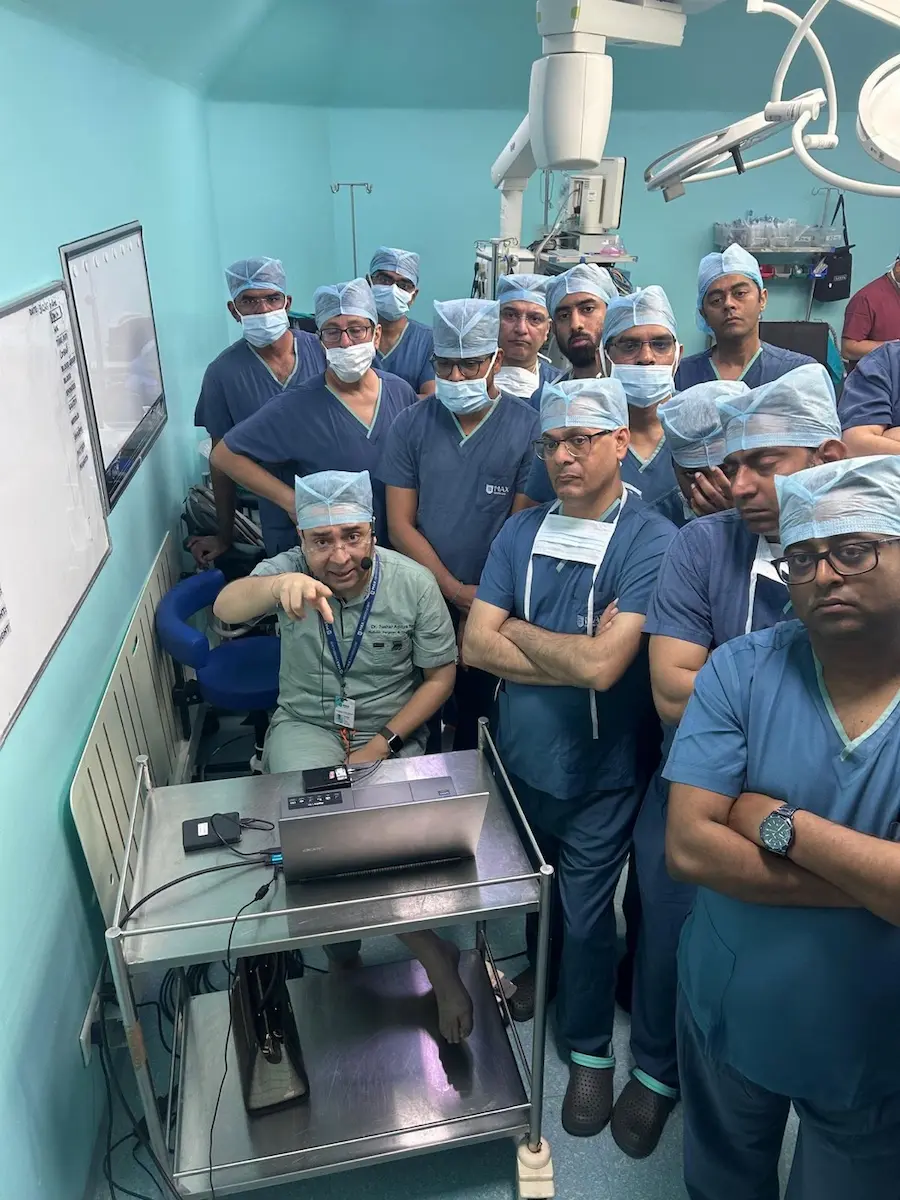
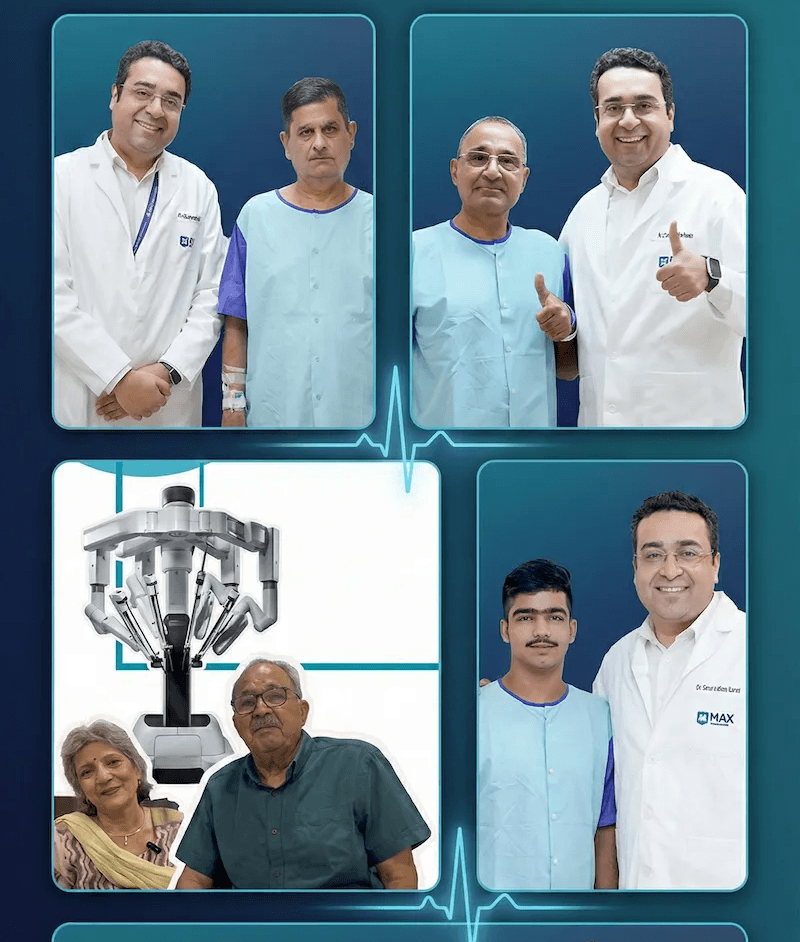
मैं Dr. Tushar Aditya Narain हूँ, Delhi में Max Smart Super Speciality Hospital, Saket और Max Hospital, Gurgaon में fellowship-trained robotic uro oncologist।
Delhi में high-volume robotic cancer surgery के लिए best uro oncologist के रूप में, और 500+ robotic procedures के अनुभव के साथ, मेरी practice में वे patients सबसे अच्छा करते हैं जो पहले साफ़ समझ के साथ शुरू करते हैं कि उन्हें किस चीज़ से deal करना है।
यह article उस starting point की तरह है - prostate cancer क्या है, prostate gland actually क्या करती है, और शुरुआती signs कैसे दिखते हैं।
Prostate Cancer क्या है?
Prostate cancer prostate gland में develop होता है - एक छोटा, walnut-shaped organ जो पुरुषों में bladder के ठीक नीचे होता है।
Prostate male reproductive system में vital role निभाता है, क्योंकि यह seminal fluid बनाता है, एक milky fluid जो ejaculation के दौरान sperm को nourish और transport करता है।
Reproduction के लिए यह function critical है, लेकिन prostate कई health issues के लिए भी susceptible होता है - और prostate cancer इनमें सबसे concerning है।
Prostate cancer तब होता है जब prostate gland की cells uncontrollably grow करना शुरू करती हैं।
ये abnormal cells tumours बना सकती हैं, और अगर इलाज न हो तो ये body के दूसरे parts में फैल (metastasise) सकती हैं - सबसे commonly bones और lymph nodes में।
Metastatic prostate cancer को localised prostate cancer की तुलना में treat करना काफी मुश्किल है, इसलिए early detection इतनी important है।
Prostate cancer का exact cause पूरी तरह समझा नहीं गया है, लेकिन इसके development में कई factors योगदान देते हैं:
Age: 40 से कम उम्र में Prostate cancer uncommon है और यह सबसे commonly 50 से ऊपर के men में diagnose होता है
Family history: यदि first-degree relative को prostate cancer है, तो risk दोगुना हो जाता है
Genetics: BRCA1, BRCA2 और अन्य inherited mutations risk बढ़ाती हैं
Hormonal factors: Androgen signalling इसमें भूमिका निभाता है
Ethnicity: African descent के men में incidence अधिक होती है
Lifestyle: red meat और processed foods वाला diet, और fruits और vegetables कम होने से risk बढ़ सकता है
Prostate Gland को समझना
Prostate gland छोटी होती है - एक healthy adult man में लगभग walnut के size की - लेकिन इसके तीन essential functions हैं जो prostate cancer और इसके treatment को समझने के लिए important हैं।
1. Seminal Fluid Production
Prostate का primary role seminal fluid बनाना है, जो semen का एक significant हिस्सा बनाता है।
इस fluid में enzymes और nutrients होते हैं जो sperm को protect और nourish करते हैं, जिससे fertilisation की chances बढ़ती हैं।
2. Ejaculation के दौरान Muscle Control
Prostate gland के भीतर की muscles ejaculation के दौरान seminal fluid को urethra में आगे धकेलने में मदद करती हैं।
यह action semen को body से बाहर निकालने में मदद करता है और इसी वजह से prostate cancer treatments ejaculation function को affect कर सकते हैं।
3. Urethral Support और Urinary Continence
Prostate, urethra को घेरता है - वह tube जो urine और semen को body से बाहर ले जाती है।
यह sphincter mechanism का हिस्सा है, जो urine flow को control करने और ejaculation के दौरान उसे semen के साथ mix होने से रोकने में मदद करता है।
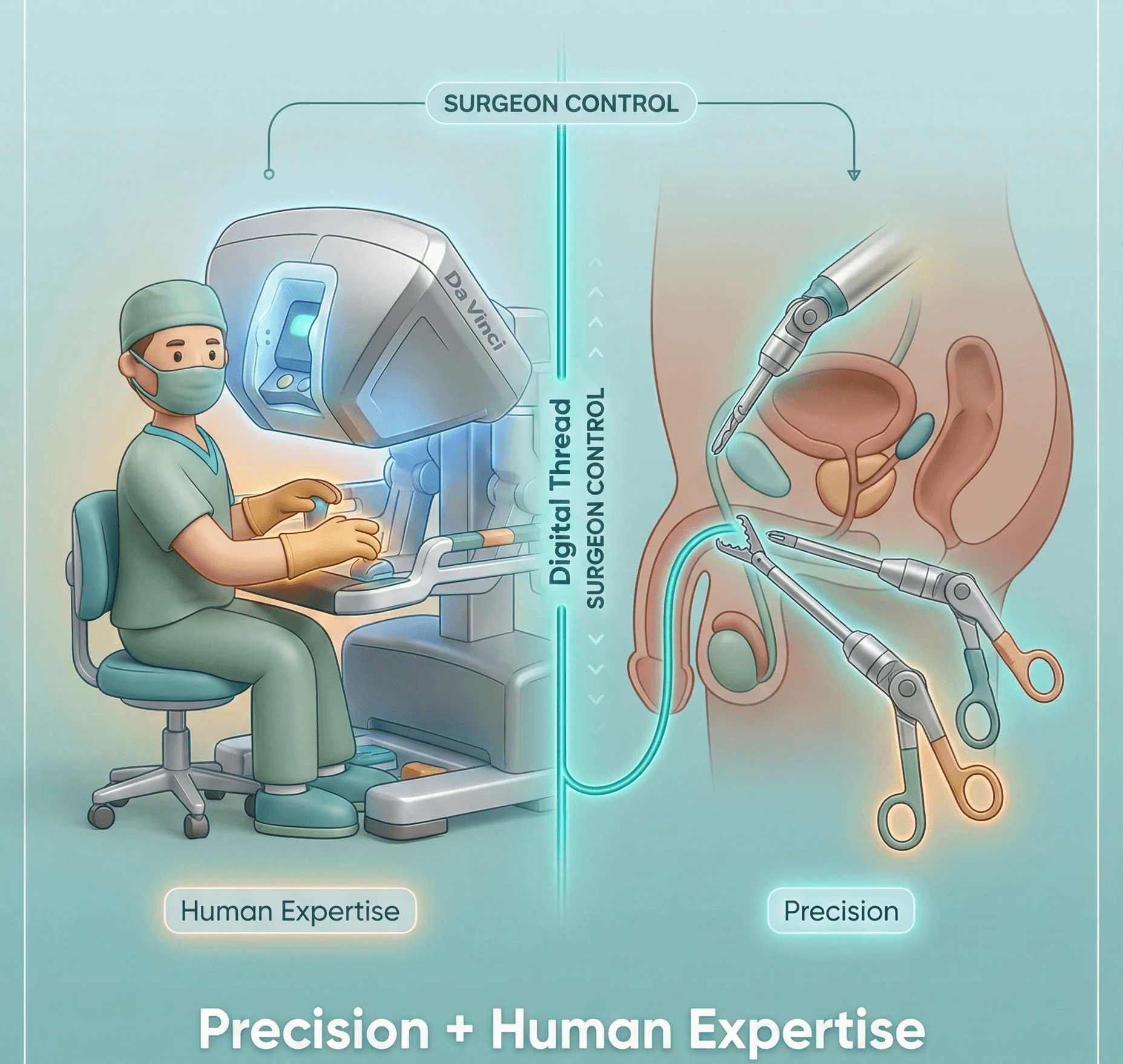
Internal sphincter urinary continence बनाए रखने में vital role निभाता है - इसी वजह से nerve-sparing surgical technique robotic prostatectomy में इतनी important है।
Prostate और urinary sphincter के बीच का यह anatomical relationship समझाता है कि prostate surgery continence को क्यों affect कर सकती है और robotic prostatectomy में precision urinary function को preserve करने के लिए इतनी important क्यों है।
Prostate Cancer: यह कैसे behave करता है
Prostate cancer आम तौर पर slow-growing होता है - और यही इसे treatable भी बनाता है और manage करने में tricky भी।
Slow-growing का मतलब है कि कई men low-risk prostate cancer के साथ years तक बिना अपनी lifespan पर असर पड़े जी सकते हैं; इसी वजह से active surveillance अब low-risk cases के लिए standard option है।
लेकिन “slow-growing” का मतलब “harmless” नहीं होता - aggressive prostate cancers भी होते हैं, और अगर इलाज न हो तो ये जल्दी progress और metastasise करते हैं।
Gleason score - जो biopsy के बाद pathologist assign करता है - हमें बताता है कि specific prostate cancer कितना aggressive है।
PSA level (Prostate-Specific Antigen) और imaging findings के साथ मिलकर, Gleason score तय करता है कि active surveillance, robotic prostatectomy, radiation, या multimodal therapy सही approach है।
Signs and Symptoms
शुरुआती stages में prostate cancer अक्सर noticeable symptoms नहीं देता - इसलिए symptoms का इंतज़ार करने से screening ज्यादा important है। जैसे-जैसे cancer आगे बढ़ता है, यह इन problems की वजह बन सकता है:
Urinary Changes
Urinary habits में बदलाव अक्सर सबसे early signs होते हैं:
बार-बार पेशाब आना, खासकर रात में
पेशाब शुरू करने में या steady urine stream बनाए रखने में difficulty
कमज़ोर urine flow
Urine या semen में blood
Pelvic और Lower Back में Discomfort
Pelvic area या lower back में pain/discomfort advanced prostate cancer से जुड़ा हो सकता है, जो nearby tissues में फैल चुका हो।
Erectile Dysfunction
Middle-aged या older men में लगातार erectile dysfunction कभी-कभी underlying prostate issues का संकेत हो सकता है, हालांकि इसके कई दूसरे possible causes भी हो सकते हैं।
Important caveat: ये symptoms non-cancer conditions जैसे benign prostatic hyperplasia (BPH) या urinary tract infections का भी संकेत दे सकते हैं।
ये symptoms evaluation के लिए संकेत हैं, cancer diagnosis नहीं। Symptom दिखे तो test कराना ज़रूरी है - panic करने की ज़रूरत नहीं.
Why Understanding the Basics Matters
Delhi में मेरी practice में, एक experienced robotic uro oncologist के रूप में, prostate cancer diagnosis को सबसे बेहतर वही patients handle करते हैं जो basics की clear समझ के साथ शुरू करते हैं - prostate का काम क्या है, cancer कैसे behave करता है, early detection क्या achieve करती है।
वही foundation हर अगली बातचीत को आसान बनाता है - screening conversation, diagnostic workup, treatment decision, और recovery plan।
Prostate cancer पुरुषों के लिए एक significant health concern है, लेकिन early catch होने पर यह सबसे treatable cancers में से भी एक है।
50 साल की उम्र से regular screening (यदि risk factors हों तो पहले), symptoms की clear समझ, और जब कुछ ठीक न लगे तो fellowship-trained specialist से prompt consultation - यही सबसे important steps हैं।
Conclusion
Prostate gland की role और prostate cancer की basics को समझना prostate health पर control लेने का fundamental step है।
Effective treatment और बेहतर outcomes के लिए regular screening से early detection essential है।
इस site पर आने वाली posts risk factors, screening options, और treatment approaches को और depth में explain करती हैं।
यदि आप screening के बारे में सोच रहे हैं, या हाल ही का कोई symptom आपको चिंता में डाल रहा है, तो Delhi में fellowship-trained robotic uro oncologist से focused consultation अगला सही step है।
Dr. Tushar Aditya Narain Delhi में high-volume robotic cancer surgery के लिए सबसे अच्छे uro oncologist हैं, जिनके पास Max Smart Super Speciality Hospital, Saket और Max Hospital, Gurgaon में 500+ robotic procedures का अनुभव है।
UCLH [University College London Hospital] (London) Fellowship-trained और Intuitive Surgical da Vinci Proctor होने के नाते, वे ऐसे surgeon हैं जो पूरे India में दूसरे surgeons को train करते हैं।
उनकी practice हर patient consultation की शुरुआत basics से करती है - क्या हो रहा है, इसका क्या मतलब है, और next step क्या है - ताकि हर patient को day one से clarity मिले।
Agar aapko prostate cancer ke baare mein sawaal hain — aapka khud ka risk, kisi family member ka diagnosis, ya lagatar chal rahe symptoms ke liye kya karna hai — toh sahi next step ek focused consultation hai.
Dr. Tushar Aditya Narain, Delhi mein ek experienced robotic uro oncologist, Max Hospital Saket aur Max Hospital Gurgaon mein patients dekhte hain. Aaj hi consultation book kijiye for a clear starting point.
Koi bhi urinary ya sexual symptoms note kijiye aur yeh kitne time se hain, likh lijiye
Apne first-degree family history mein prostate cancer, breast cancer (BRCA [Breast Cancer gene]), ya ovarian cancer ho toh list kijiye
Agar available ho, toh purane PSA [Prostate-Specific Antigen] readings ya imaging lekar aaiye
Screening kab karani chahiye aur aapki age ke liye kaun se tests sahi hain, iske baare mein sawaal tayyar kijiye
Shared decision-making ke liye koi family member ya partner saath laaiye